
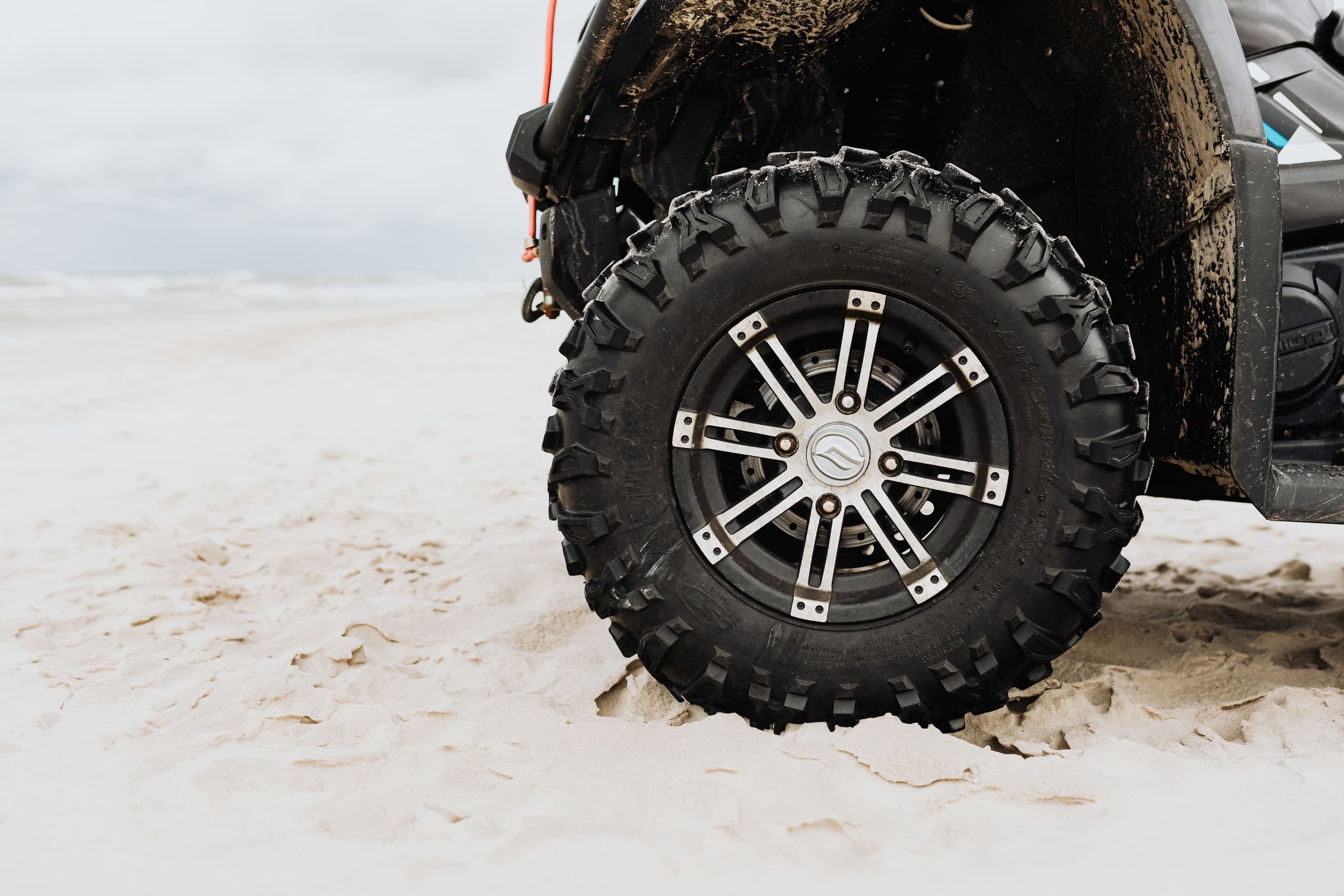
All Terrain Crane Tire Tread Patterns: Maintenance & Selection Guide
Proper maintenance of all terrain crane tire tread patterns is critical for safe operation, optimal performance, and cost efficiency. All terrain cranes operate in diverse conditions—from construction sites to highways—and their tires must withstand heavy loads, varying surfaces, and constant stress. Neglecting tire care can lead to premature wear, unexpected failures, and costly downtime. This guide provides a comprehensive maintenance framework for all terrain crane tire tread patterns, helping you extend tire life, enhance safety, and reduce operating costs.
Why Maintenance of All Terrain Crane Tire Tread Patterns Matters
All terrain crane tires are engineered to deliver traction, stability, and durability across mixed terrains. The tread pattern—whether lug, rib, or block design—directly affects performance. Regular maintenance ensures that the tread pattern remains effective, preventing slippage, improving fuel efficiency, and reducing the risk of accidents. Moreover, proper care of all terrain crane tire tread patterns can extend tire life by up to 30%, delivering significant savings.
Daily Inspection Checklist for All Terrain Crane Tires
A daily inspection routine is the first line of defense against tire issues. Follow this checklist before each shift:
- Visual Inspection: Walk around the crane and check each tire for cuts, gouges, embedded objects, or irregular wear. Pay attention to the tread pattern for signs of uneven wear, which may indicate misalignment or improper inflation.
- Tread Depth Measurement: Use a tread depth gauge to measure the remaining tread depth at multiple points across the tire. Minimum legal tread depth for OTR tires is typically 2/32 inch (1.6 mm), but for optimal performance, replace tires when tread depth reaches 4/32 inch (3.2 mm) or according to manufacturer recommendations.
- Inflation Pressure Check: Use a calibrated pressure gauge to check inflation pressure when tires are cold. Refer to the crane manufacturer's specifications for the correct pressure for your tire size and load. Underinflation or overinflation can accelerate tread wear and compromise safety.
- Sidewall Inspection: Examine sidewalls for cracks, bulges, or discoloration. These can indicate impact damage, aging, or chemical exposure.
- Valve Stem and Cap Check: Ensure valve caps are present and valve stems are not damaged or leaking.
- Wheel and Lug Nut Inspection: Check for loose or missing lug nuts, cracks in the wheel, or corrosion. Tighten lug nuts to the specified torque.
- Cleanliness: Remove any debris, mud, or stones trapped in the tread pattern. This is especially important for all terrain crane tire tread patterns, as trapped debris can cause uneven wear and reduce traction.
Step-by-Step Maintenance Procedures
Regular maintenance procedures go beyond daily checks. Follow these steps to ensure your all terrain crane tires remain in top condition:
1. Tire Rotation
- Consult your crane manufacturer's guidelines for the recommended rotation interval (typically every 2,000–3,000 hours or as indicated by wear patterns).
- Rotate tires according to the specified pattern (e.g., front-to-rear, side-to-side) to promote even wear.
- After rotation, recheck inflation pressure and lug nut torque.
2. Inflation Pressure Maintenance
- Check pressure weekly and before long trips.
- Adjust pressure based on load and operating conditions. For heavy loads, increase pressure to the maximum recommended for the load; for light loads, use the minimum pressure to improve traction and ride comfort.
- Always use a reliable gauge and replace faulty valve cores.
3. Tread Cleaning and Inspection
- After each shift, clean the tread with a high-pressure washer to remove mud, clay, and debris.
- Inspect the tread for embedded objects (nails, stones, glass) and remove them using pliers or a probe.
- Check for cuts or punctures; mark and monitor any damage for progression.
4. Wheel Alignment and Balancing
- Perform wheel alignment every 6 months or if you notice uneven tread wear.
- Balance tires if you experience vibration during operation.
- Ensure proper alignment to prevent rapid tread wear and improve fuel efficiency.
5. Storage Practices
- When storing tires, keep them in a cool, dry, dark place away from direct sunlight and ozone sources (e.g., electric motors).
- Store tires upright on a clean surface; avoid stacking heavy objects on them.
- If storing mounted tires, reduce inflation pressure by 20% to relieve stress.
Common Issues and Early Warning Signs
Recognizing early warning signs can prevent costly failures. Watch for:
- Uneven Tread Wear: Often caused by misalignment, improper inflation, or worn suspension components. Check alignment and inflation regularly.
- Cracks in Sidewalls: Indicate aging, ozone damage, or flexing due to underinflation. Replace tires showing deep cracks.
- Bulges or Blisters: Signal internal damage from impacts; remove tire from service immediately.
- Vibration: May result from unbalanced tires, flat spots, or internal damage. Investigate and correct.
- Reduced Traction: Could be due to worn tread, glazing (hardened rubber), or contamination. Clean tread and consider regrooving if applicable.
- Persistent Air Loss: Check for punctures, faulty valves, or bead leaks. Repair or replace as needed.
Best Practices for Tire Care
Adopt these best practices to maximize the life of your all terrain crane tire tread patterns:
- Match Tires to Application: Select tread patterns suited to your typical terrain. For mixed on/off-road use, choose a pattern with good self-cleaning and traction.
- Maintain Proper Load Distribution: Avoid overloading and ensure even weight distribution across tires.
- Train Operators: Educate operators on smooth driving techniques, avoiding sharp turns and sudden braking that accelerate tread wear.
- Implement a Tire Management System: Track tire performance, rotation, and maintenance records to identify trends and optimize replacement schedules.
- Use Quality Products: Invest in reputable brands like Vannova that offer durable tires engineered for all terrain cranes.
Cost-Saving Tips Through Proper Maintenance
Proper maintenance directly reduces costs by extending tire life and preventing downtime:
- Extend Tire Life: Regular inspections and pressure checks can increase tire life by 20–30%, delaying replacement costs.
- Improve Fuel Efficiency: Correct inflation pressure reduces rolling resistance, saving fuel.
- Prevent Accidents: Early detection of issues avoids costly accidents and equipment damage.
- Reduce Downtime: Scheduled maintenance prevents unexpected failures that halt operations.
- Optimize Replacement Timing: Monitor tread wear to replace tires at the optimal point—not too early (wasting remaining tread) or too late (risking failure).
When to Replace vs. Repair
Deciding whether to repair or replace a tire depends on damage type and severity:
- Repairable: Small punctures (up to 1/4 inch) in the tread area, minor cuts, and valve issues can often be repaired if the tire is otherwise in good condition. Use proper patch-plug repairs.
- Replace: Sidewall damage, large punctures, bulges, exposed cords, or tread depth below minimum. Also replace tires with irreversible uneven wear or cracking.
Consult a tire professional for assessment. Always follow safety regulations.
FAQ
Q: How often should I check the tread depth on all terrain crane tires?
A: Check tread depth weekly and before long trips. Use a gauge and measure at multiple points. Replace when tread depth reaches 4/32 inch (3.2 mm) for optimal performance.
Q: What is the correct inflation pressure for all terrain crane tires?
A: Refer to your crane manufacturer's specifications. Pressure varies by tire size and load. Always check when tires are cold and adjust for load conditions.
Q: Can I repair a puncture in an all terrain crane tire?
A: Yes, if the puncture is in the tread area and smaller than 1/4 inch. Sidewall punctures or large damages require replacement. Use professional patch-plug repairs.
Q: How can I extend the life of my all terrain crane tire tread patterns?
A: Regular maintenance—including daily inspections, proper inflation, rotation, alignment, and cleaning—can extend tire life by up to 30%. Also, operate smoothly and avoid overloading.


