
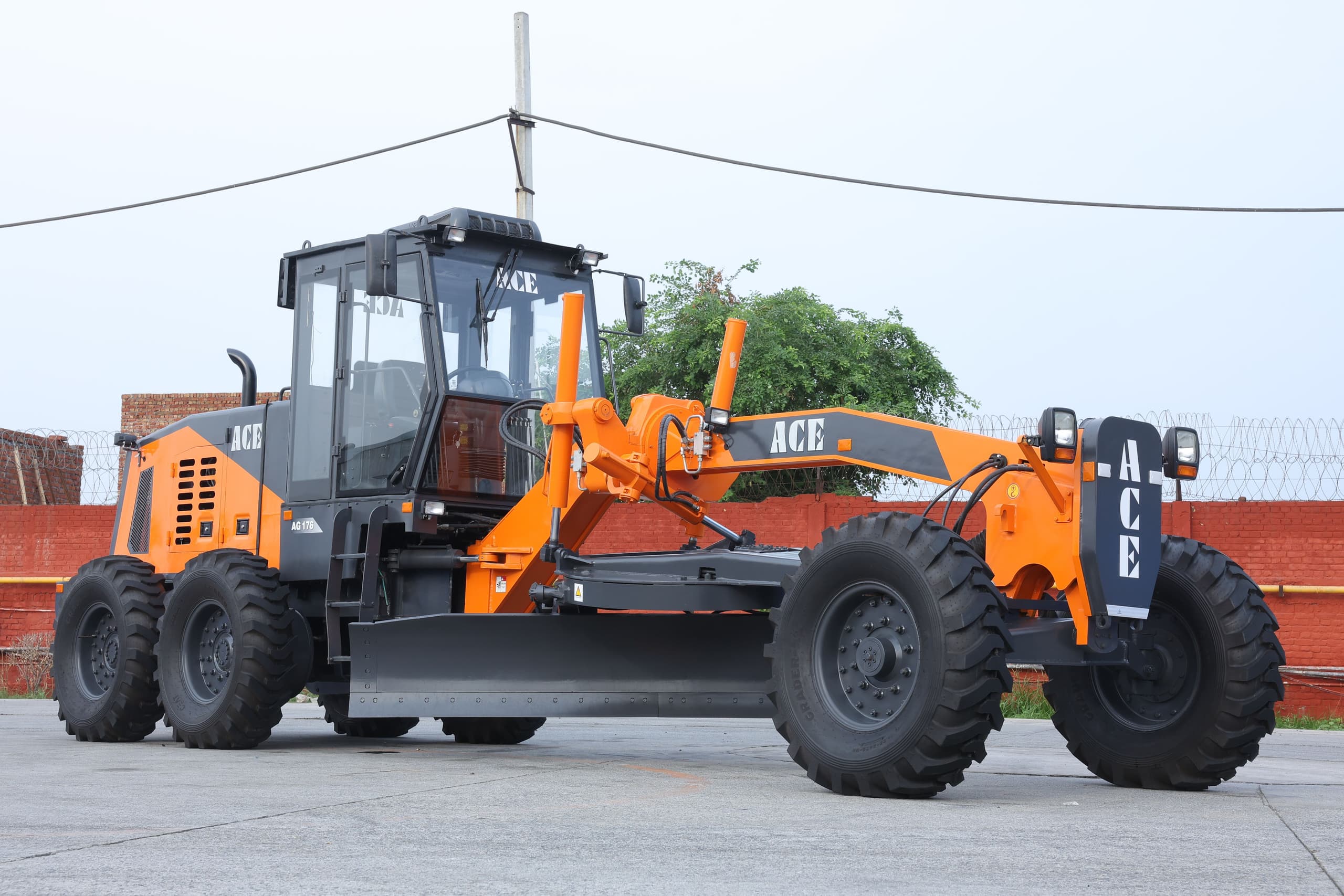
Why Proper Maintenance of G2 Grader Tires Matters in Winter Grading
Winter grading demands reliable equipment, and your grader tires are the critical link between machine power and road surface. In cold weather, rubber compounds stiffen, traction becomes unpredictable, and the risk of tire damage escalates. For operations relying on G2 grader tire winter grading, a proactive maintenance program is not optional—it's essential. Proper care extends tire life, reduces downtime, and ensures safety on icy, snow-covered, or frozen ground.
This guide provides a comprehensive maintenance framework for G2 grader tires used in winter conditions. From daily inspections to replacement decisions, we cover the procedures, specifications, and best practices that keep your grader productive all season.
Daily Inspection Checklist for Winter Grader Tires
A thorough daily walk-around is your first line of defense. Perform these checks before each shift, especially when temperatures drop below 5°C (41°F).
Visual Inspection
- Tread depth: Measure at three points across the tread. Minimum legal depth varies by region, but for winter grading, maintain at least 6 mm (≈ 8/32") to ensure adequate snow evacuation. For G2 tires, original tread depth is typically 25–30 mm (1–1.2").
- Cuts and punctures: Look for embedded objects, sidewall cuts, and tread chunking. Cold rubber is more brittle; even small cuts can propagate.
- Sidewall condition: Check for cracks, weathering, and bulges. Winter temperature fluctuations accelerate ozone cracking.
- Tire pressure: Use a calibrated gauge. For every 10°C (18°F) drop in ambient temperature, tire pressure decreases by approximately 1 psi (0.07 bar). Set pressures according to the manufacturer's cold-inflation recommendation.
- Valve caps and stems: Ensure caps are secure to prevent moisture and ice buildup.
- Wheel nuts and rim condition: Verify torque and inspect for rust or ice accumulation.
- Tread pattern: Confirm the G2 tread (regular lug) is not worn unevenly. Irregular wear indicates alignment or inflation issues.
Operational Checks
- Load distribution: Ensure the grader's moldboard and attachments are balanced to avoid overloading one side.
- Brake and differential performance: Test on a safe surface; uneven braking can indicate tire-related issues.
Maintenance Procedures: Step-by-Step for Cold Weather
Proper procedures prevent damage and extend tire life. Follow these steps for routine and seasonal maintenance.
1. Tire Pressure Management
- Measure pressure when tires are cold (before operation or after at least 3 hours of inactivity).
- Adjust to the recommended cold-inflation pressure for your load and speed. For G2 grader tires in winter, consult the load/inflation table; typical bias tires may require 35–50 psi (2.4–3.4 bar) depending on size and load.
- Account for temperature drops: If a cold front is forecast, inflate to the higher end of the range to compensate for pressure loss.
- Use dry nitrogen if available to reduce moisture condensation and pressure fluctuations.
- Record readings and monitor trends; a consistently low tire may indicate a slow leak.
2. Tread Cleaning and Snow Evacuation
- Remove packed snow and ice from tread grooves using a plastic or wooden scraper—never metal, which can damage rubber.
- Inspect for embedded stones and remove them with pliers to prevent penetration.
- Apply a rubber-safe de-icer (e.g., silicone spray) to tread surfaces to reduce snow packing. Avoid petroleum-based products that degrade rubber.
3. Storage and Parking
- Park on a clean, dry surface (concrete or gravel) to prevent freezing to the ground.
- Use tire cradles or wooden planks under tires if parking on ice.
- Avoid prolonged exposure to sunlight when storing; UV accelerates cracking.
- Cover tires if the machine is idle for extended periods.
4. Seasonal Changeover
- Inspect tires thoroughly before winter season; replace any with less than 6 mm tread.
- Rotate tires if wear is uneven (front to rear, or side to side) to maximize life.
- Check wheel alignment and adjust if needed; misalignment increases wear and fuel consumption.
Common Issues and Early Warning Signs
Recognizing problems early saves money and downtime. Watch for these indicators:
| Issue | Early Warning Sign | Action |
|---|---|---|
| Underinflation | Spongy handling, excessive sidewall flex, irregular wear on shoulders | Inflate to recommended pressure; inspect for leaks |
| Overinflation | Harsh ride, center tread wear, reduced traction | Adjust pressure to spec; check load |
| Tread chunking | Missing tread blocks, rough edges | Reduce speed on sharp rocks; consider tire with cut-resistant compound |
| Sidewall cracking | Fine cracks (weather checks) or deep fissures | Replace if cracks expose cords; use protective coatings |
| Uneven wear | One side worn more than other | Check alignment, suspension, and inflation |
| Vibration | Steering wheel shake or abnormal noise | Inspect for flat spots, balance, or internal damage |
In winter, G2 tire snow performance can degrade if tread is packed with ice. Regular cleaning and proper pressure are key.
Best Practices for Winter Grader Tire Care
Adopt these habits to maximize tire life and safety:
- Match tires to conditions: For winter grading, G2 tires with deep tread and a durable compound offer good snow and ice traction. Consider studded or siped tires for extreme ice.
- Maintain correct inflation: Check daily; use a gauge, not a kick.
- Avoid spinning tires: Wheel spin generates heat and wears tread rapidly, especially on cold rubber.
- Reduce speed on rough terrain: Impact damage is more likely in freezing conditions.
- Keep tires clean: Remove snow, mud, and chemicals promptly.
- Use tire chains when necessary: They improve traction but must be properly fitted to avoid damage.
- Train operators: Ensure they understand cold-weather tire limitations and inspection protocols.
For operations that also use agricultural tractors, similar principles apply. Vannova's agricultural tires like the SH111/R-1 for tractor drive wheels offer good traction and self-cleaning, while the SH121/R-2 and SH101/CR-1 are designed for paddy fields and provide excellent weathering resistance—a reminder that proper tire selection and care are universal.
Cost-Saving Tips Through Proper Maintenance
Tire maintenance is an investment that pays off. Consider these savings opportunities:
- Extend tire life by 20–30% with regular inspections and pressure checks. A set of grader tires can cost $5,000–$10,000; proper care delays replacement.
- Reduce fuel consumption by maintaining correct inflation. Underinflation by 10% can increase fuel use by 2–3%.
- Prevent downtime by catching issues early. A blown tire on a remote winter road can cost thousands in lost productivity.
- Avoid premature wear by rotating tires and aligning wheels.
- Use retreads for non-critical applications if casings are sound, but never for severe winter duty.
- Track maintenance costs per hour to identify inefficient practices.
When to Replace vs. Repair
Not all damage requires a new tire. Use these guidelines:
Repair if:
- The puncture is in the tread area and is less than 6 mm (1/4") in diameter.
- The injury does not expose cords or bead.
- The tire has sufficient tread depth (>6 mm) and no sidewall damage.
- Repairs are done by a qualified technician using proper plugs/patch combos.
Replace if:
- Tread depth is below 6 mm (winter minimum).
- Sidewall cracks expose cords or there are bulges.
- Bead damage or circumferential cracks.
- Multiple punctures or unrepaired injuries.
- The tire is over 10 years old (check DOT code).
For winter grader tire selection, always choose tires with a compound designed for cold flexibility and tread patterns that evacuate snow. G2 tires are a common choice, but ensure they meet your specific winter demands.
Conclusion
Proper maintenance of G2 grader tires is critical for safe and efficient winter grading. By following daily inspections, adhering to cold-weather procedures, and recognizing early warning signs, you can extend tire life, reduce costs, and keep your grader on the road. Remember that grader tire cold weather care is an ongoing process—stay vigilant and proactive.
For more information on Vannova's tire solutions, including agricultural and OTR tires, contact our experts.


