
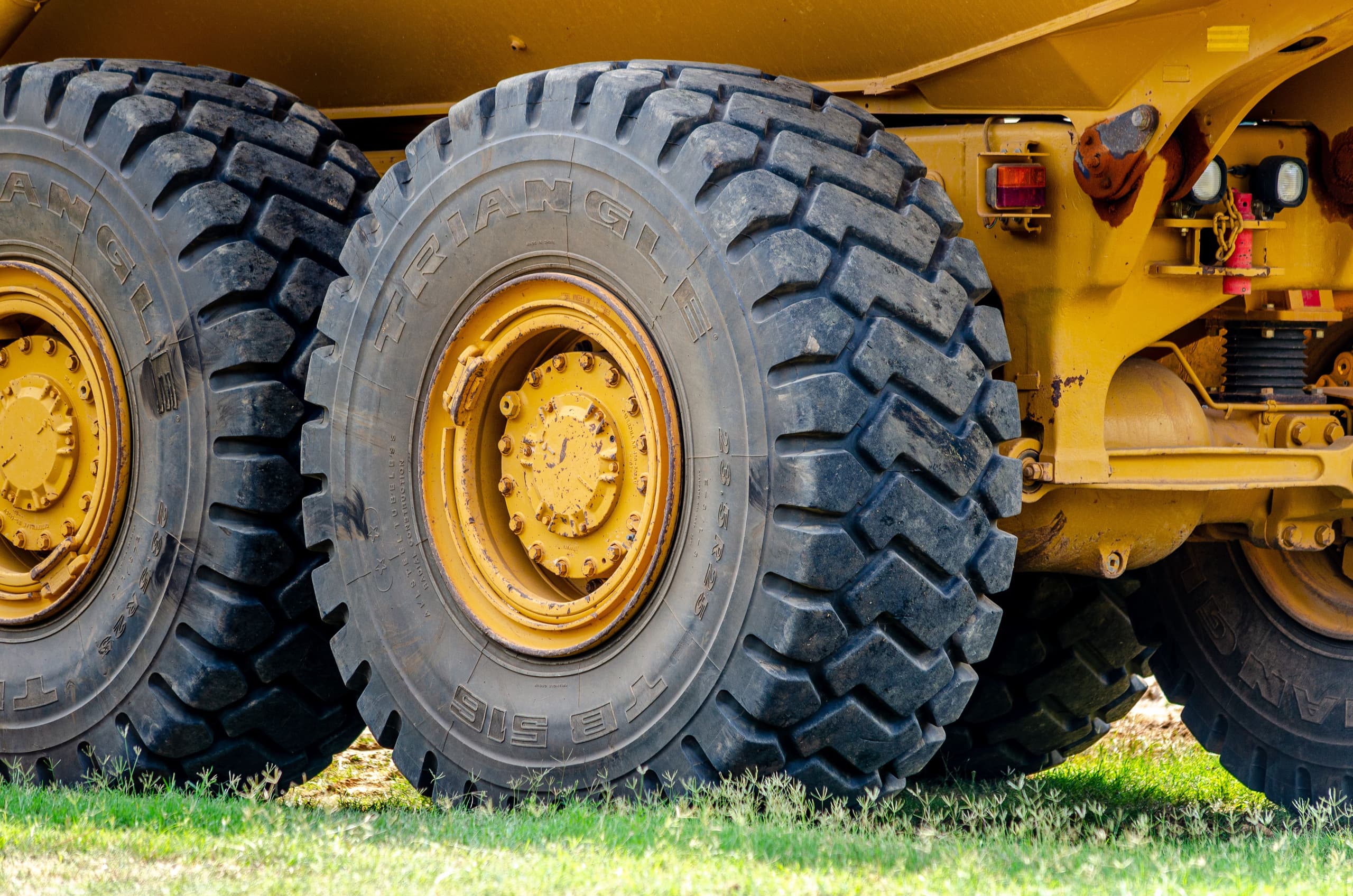
The Challenge: Premature Tire Failure in RTG Cranes
Rubber-Tired Gantry (RTG) cranes are the workhorses of container terminals, but their tires often fail prematurely due to extreme loads, constant steering, and harsh operating environments. Common problems include uneven wear, sidewall cuts, chunking, and rapid tread depletion—leading to unplanned downtime, increased costs, and safety risks. This article addresses these challenges head-on, providing a comprehensive guide to gantry crane tire selection that enhances port crane tire durability and operational efficiency.
Why RTG Tires Fail: Causes and Impact
Root Causes of Tire Damage
- Heavy Loads and High Torque: RTG cranes lift containers weighing up to 40 tons, subjecting tires to immense vertical and lateral forces. Standard tires not engineered for high-load cycles experience rapid fatigue.
- Frequent Steering and Maneuvering: RTG cranes move along rails and turn frequently, causing scrub wear and heat buildup. Tires with inadequate tread compounds or improper construction suffer from irregular wear patterns.
- Harsh Ground Conditions: Port surfaces vary from concrete to asphalt, often littered with debris. Cuts, punctures, and sidewall damage are common when tires lack robust protection.
- Heat Accumulation: Continuous operation in high ambient temperatures (especially in tropical ports) accelerates rubber degradation. Poor heat dissipation leads to separation and blowouts.
- Incorrect Inflation Pressure: Underinflation increases flexing and heat; overinflation reduces footprint and traction. Both shorten tire life.
Impact on Operations
- Unplanned Downtime: Each tire failure can halt crane operations for hours, disrupting vessel schedules and yard planning.
- Increased Costs: Frequent replacements and maintenance labor strain budgets. A single RTG tire can cost thousands of dollars.
- Safety Hazards: Sudden blowouts can cause accidents, damage equipment, and endanger personnel.
- Reduced Efficiency: Suboptimal tires lead to lower speeds and cautious operation, reducing throughput.
Solution Overview: Best Practices for Gantry Crane Tire Selection
Selecting the right tire for RTG cranes requires a holistic approach that considers load capacity, tread design, rubber compound, and construction. Here are key best practices:
- Prioritize Load Index and Speed Rating: Choose tires with a load index that exceeds the crane's maximum laden weight, including safety margin. RTG tires typically require load indexes of 180+ and speed ratings suitable for low-speed operation (e.g., 10-25 km/h).
- Opt for Radial Construction: Radial tires offer better fuel efficiency, cooler running, and longer tread life compared to bias tires. They provide a more stable footprint and resist heat buildup.
- Select Deep Tread Patterns: Deep treads (e.g., 40-50 mm) improve traction and extend wear life. Patterns with wide voids enhance self-cleaning, preventing debris retention.
- Use Cut-and-Chip-Resistant Compounds: Compounds with high natural rubber content and reinforced sidewalls resist cutting, chunking, and aging. Look for tires with weathering and aging resistance.
- Ensure Proper Inflation and Maintenance: Follow manufacturer recommendations and use TPMS (Tire Pressure Monitoring Systems) to maintain optimal pressure.
- Match Tire to Application: Consider port specifics: container crane tires for intermodal terminals, RTG tires for yard gantries, and other port equipment tires for support vehicles.
Step-by-Step Implementation Guide
Step 1: Assess Your Operational Requirements
- Calculate Load per Tire: Determine the maximum wheel load based on crane capacity and weight distribution. Add a 15-20% safety factor.
- Analyze Duty Cycle: Document hours of operation, average travel distance, and number of lifts per hour. High-duty cycles demand premium tires.
- Evaluate Ground Conditions: Note surface types, debris presence, and ambient temperature range.
Step 2: Define Tire Specifications
- Size and Load Index: Consult crane manufacturer's recommendations. Common RTG tire sizes include 18.00-25, 21.00-25, and 24.00-25. Ensure load index meets or exceeds requirements.
- Tread Depth and Pattern: Choose deep tread (≥40 mm) with a pattern optimized for traction and self-cleaning. For example, a directional pattern with lateral grooves enhances steering and wear resistance.
- Rubber Compound: Specify cut-resistant, heat-resistant compounds. Tires with excellent weathering and aging resistance are ideal for outdoor ports.
- Construction: Radial is preferred for RTG cranes due to better heat dissipation and fuel economy.
Step 3: Source and Evaluate Suppliers
- Request Technical Data: Ask for load-deflection curves, TKPH (Ton-Kilometer per Hour) ratings, and compound specifications.
- Check Certifications: Ensure tires meet industry standards (e.g., ETRTO, TRA) and have proven port applications.
- Consider Total Cost of Ownership: Evaluate initial price vs. expected life and maintenance costs. Premium tires often deliver lower cost per hour.
Step 4: Implement a Tire Management Program
- Installation: Use proper mounting procedures and torque specifications. Balance wheels to reduce vibration.
- Inflation Maintenance: Set up a routine check (daily visual, weekly gauge) and consider TPMS.
- Rotation and Inspection: Rotate tires at scheduled intervals (e.g., every 500 hours) to promote even wear. Conduct regular inspections for cuts, embedded objects, and tread depth.
- Training: Train operators on smooth driving techniques to minimize scrub and impact damage.
Step 5: Monitor Performance and Optimize
- Track Tire Life: Record hours to removal and wear patterns. Use data to adjust specifications.
- Analyze Failures: Root-cause analysis of premature failures informs future selections.
- Continuous Improvement: Stay updated on new tire technologies and incorporate feedback from operators.
Real-World Case Studies
Case Study 1: Major Asian Port Reduces Tire Failures by 40%
A container terminal in Singapore struggled with RTG tire sidewall cuts and rapid wear. After switching to radial tires with deep tread (45 mm) and cut-resistant compound, they achieved a 40% reduction in tire-related downtime and a 25% increase in tire life. Key factors: proper load index (200) and TPMS implementation.
Case Study 2: European Intermodal Hub Extends Tire Life with Compound Upgrade
Facing heat buildup issues in summer, a German terminal adopted tires with enhanced heat-dissipating compound and radial construction. Tire temperature dropped by 15°C, and tread life improved by 30%. The terminal also implemented a rotation schedule every 600 hours.
Case Study 3: North American Port Mitigates Debris Damage
A port in the US Gulf Coast dealt with frequent punctures from metal scraps. They selected tires with reinforced sidewalls and extra-deep tread (50 mm). Combined with daily debris sweeping, tire punctures decreased by 60%.
Prevention and Long-Term Strategies
- Regular Maintenance Schedule: Implement daily, weekly, and monthly inspection checklists. Address issues early.
- Operator Training: Educate operators on avoiding sharp turns, reducing speed on rough terrain, and reporting hazards.
- Ground Surface Maintenance: Keep port surfaces clean and repair potholes to minimize tire stress.
- Data-Driven Decisions: Use tire performance data to refine specifications and maintenance intervals.
- Partner with a Reliable Supplier: Choose a manufacturer like Vannova that offers technical support and tailored solutions for port applications.
Frequently Asked Questions (FAQ)
What is the typical lifespan of an RTG tire?
RTG tire lifespan varies with duty cycle and maintenance, but quality radial tires can last 8,000–12,000 hours. Proper inflation and rotation can extend life by 20-30%.
How does radial construction improve port crane tire durability?
Radial tires have flexible sidewalls and a rigid tread belt, which reduces heat buildup and provides a uniform footprint. This leads to cooler running, longer tread life, and better fuel efficiency compared to bias tires.
What load index do I need for my gantry crane tires?
Calculate the maximum wheel load (including safety margin) and select a tire with a load index that meets or exceeds that value. Consult the crane manufacturer's specifications and tire load tables. For most RTG cranes, load indexes range from 180 to 220.
Can I use agricultural tires for RTG cranes?
No. Agricultural tires like the SH121/R-2 or SH111/R-1 are designed for field conditions and low-speed operations with different load characteristics. RTG cranes require tires specifically engineered for high loads, frequent steering, and port environments. Always use tires designed for container handling equipment.
Conclusion
Effective gantry crane tire selection is critical to minimizing downtime and maximizing port productivity. By understanding the causes of tire failure, following best practices, and implementing a structured maintenance program, you can significantly enhance port crane tire durability. Remember to prioritize radial construction, deep treads, and cut-resistant compounds, and partner with a trusted supplier like Vannova for expert support and high-quality RTG tires.


