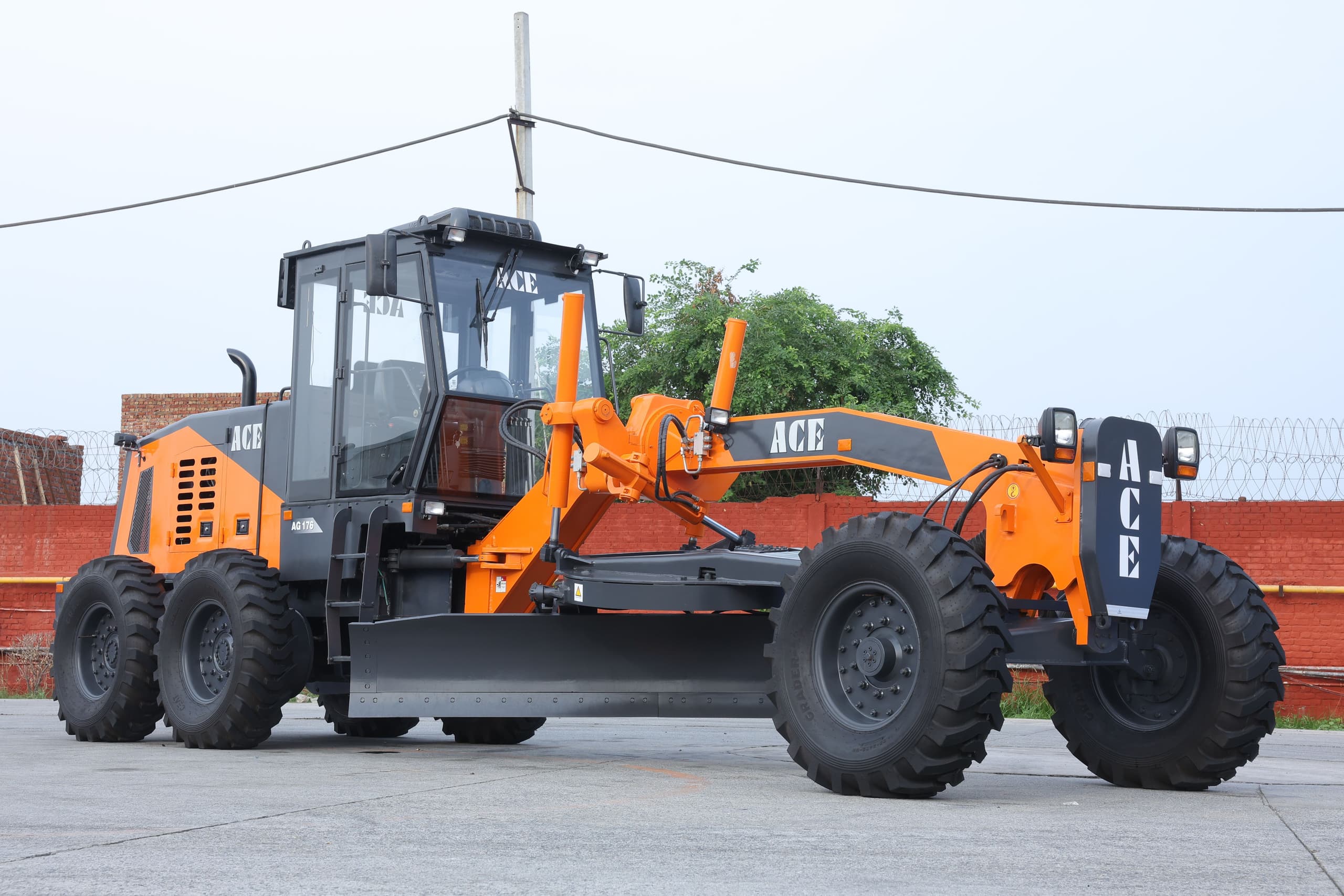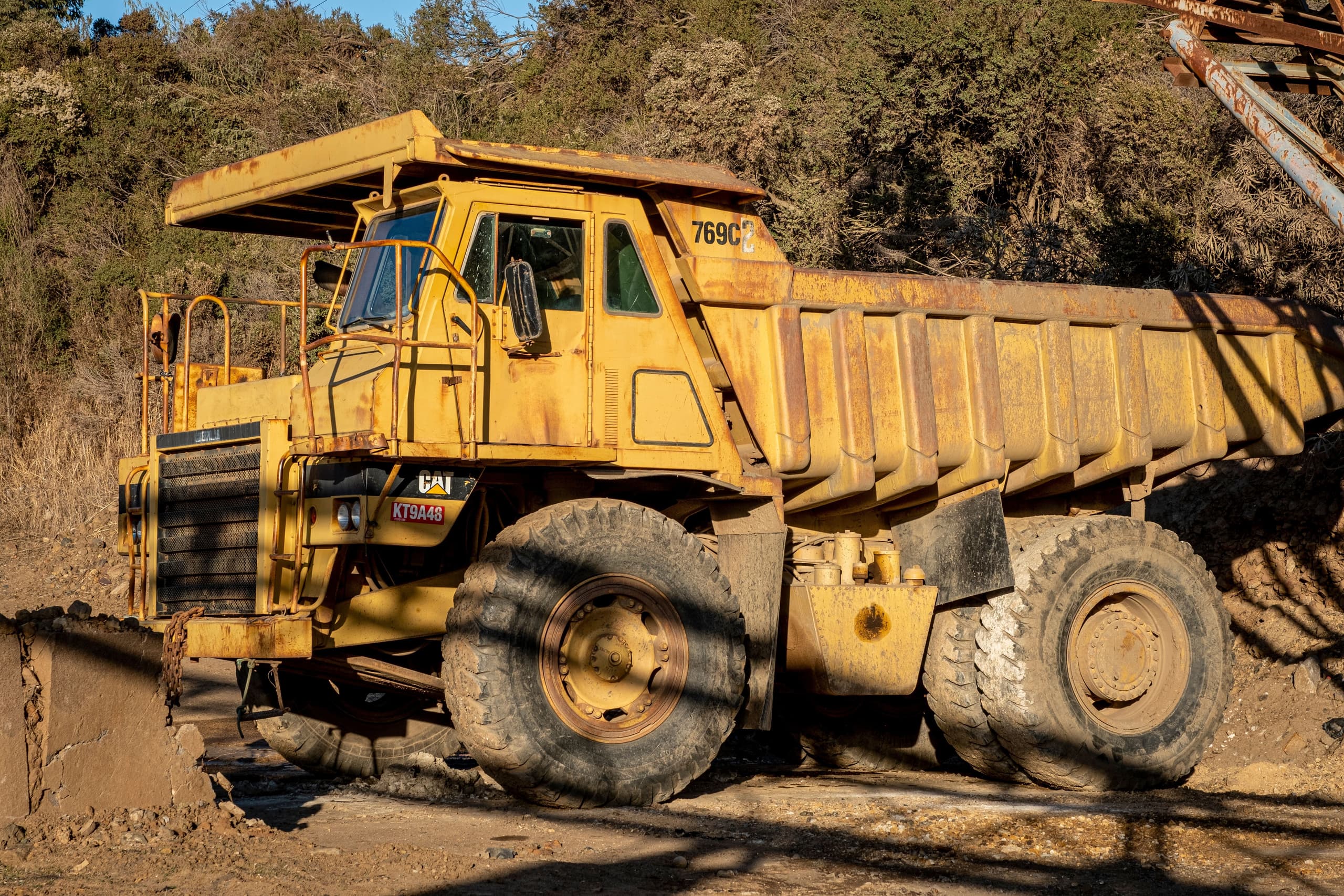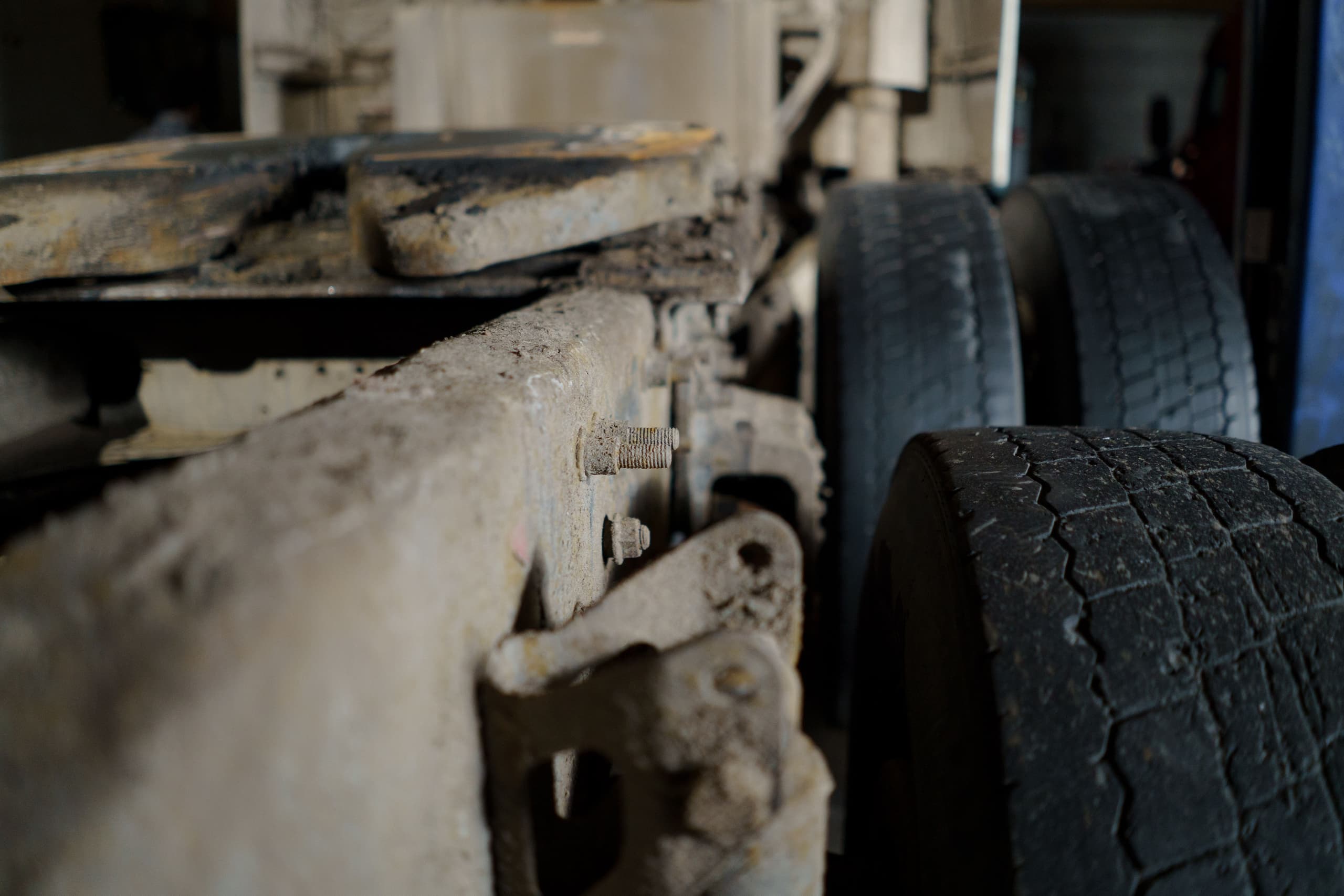
The Problem: Premature L5 Rock Tire Wear in Blast Zones
In quarry and mining operations, L5 rock tires are the go-to choice for loaders, dozers, and haul trucks operating in harsh conditions. However, blast zones present a unique set of challenges that can dramatically accelerate tire wear. The combination of sharp rock fragments, overburden, and unstable ground creates an environment where even the toughest L5 tires can fail prematurely. This leads to frequent replacements, increased downtime, and soaring operational costs.
Causes of L5 Tire Blast Zone Damage
Blast zones are characterized by loose, jagged rocks and debris that can cut, chip, and penetrate tire treads. The primary causes of L5 tire blast zone damage include:
- Cut and chip damage: Sharp rock edges from blasting can slice into tread blocks, leading to chunking and rapid wear.
- Impact breaks: Falling rocks or driving over large debris can cause sidewall impacts, leading to ruptures.
- Heat buildup: Constant flexing on uneven terrain generates heat, accelerating rubber degradation.
- Chemical exposure: Blasting residues and chemicals can deteriorate tire compounds.
- Operator behavior: Speeding, overloading, and poor maneuvering exacerbate wear.
Impact on Operations
Premature tire failure disrupts production schedules, increases maintenance costs, and poses safety risks. In a typical quarry, tire-related downtime can account for up to 20% of unplanned stoppages. Moreover, frequent replacements strain budgets and reduce overall equipment effectiveness (OEE).
Solution Overview: Best Practices for Extending L5 Tire Life
Addressing L5 rock tire wear in blast zones requires a multifaceted approach. It involves selecting the right tire, optimizing operating practices, and implementing robust maintenance routines.
1. Tire Selection and Specification
Not all L5 tires are created equal. For blast zones, choose tires with:
- Deep tread depth: Provides more rubber to wear through, extending service life.
- Reinforced sidewalls: Offers resistance to cuts and impacts.
- Cut-resistant compounds: Specialized rubber blends that resist chipping and chunking.
- Appropriate tread pattern: A self-cleaning design prevents debris packing, which can lead to further damage.
While Vannova's agricultural tires like the SH121/R-2, SH101/CR-1, and SH111/R-1 are designed for farming applications, the principles of deep tread and robust construction apply across our product lines. For OTR applications, consult with our experts to select the optimal L5 tire for your specific blast zone conditions.
2. Operational Best Practices
- Speed control: Limit speeds in blast zones to reduce impact forces and heat buildup.
- Load management: Avoid overloading; adhere to tire load ratings.
- Site cleanliness: Regularly clear debris from haul roads to minimize cutting hazards.
- Operator training: Educate operators on smooth driving techniques and hazard avoidance.
3. Maintenance and Monitoring
- Regular inspections: Check for cuts, embedded rocks, and tread wear.
- Pressure maintenance: Maintain correct inflation pressure to prevent sidewall damage and irregular wear.
- Rotation schedules: Implement tire rotation to promote even wear.
- Use of tire protection chains: In extreme blast zones, chains can provide additional protection.
Step-by-Step Implementation Guide
To effectively combat L5 tire quarry blasting wear, follow this structured approach:
-
Assess Your Blast Zone Conditions
- Conduct a site survey to identify hazard hotspots (e.g., sharp rock areas, steep gradients).
- Analyze historical tire performance data to pinpoint frequent failure modes.
-
Select the Right Tire
- Work with a reputable OTR tire manufacturer (like Vannova) to choose an L5 tire with enhanced cut resistance and deep tread.
- Consider tire compounds and construction (radial vs. bias) suited to your site.
-
Optimize Operating Procedures
- Set speed limits for blast zone travel.
- Establish loading guidelines to prevent overloading.
- Train operators on best practices for navigating blast zones.
-
Implement a Maintenance Program
- Schedule daily walk-around inspections.
- Use TPMS (Tire Pressure Monitoring Systems) for real-time pressure tracking.
- Keep a log of tire performance and maintenance actions.
-
Monitor and Adjust
- Track tire wear rates and costs per hour.
- Adjust strategies based on data (e.g., if cut damage is high, consider chains or different compounds).
Case Studies: Real-World Success Stories
Case Study 1: Limestone Quarry Reduces Tire Costs by 30%
A limestone quarry in the Midwest faced frequent L5 tire failures due to sharp flint rocks. By switching to a deeper-tread L5 tire with a cut-resistant compound and implementing a strict speed limit of 10 mph in blast zones, they reduced tire-related downtime by 40% and extended average tire life from 3,000 to 4,200 hours.
Case Study 2: Gold Mine Cuts Sidewall Damage with Pressure Monitoring
An underground gold mine experienced recurring sidewall ruptures from impact against jagged walls. Installing a tire pressure monitoring system and enforcing daily pressure checks reduced sidewall damage incidents by 60%. Additionally, operator training on smooth driving techniques further minimized impacts.
Prevention and Long-Term Strategies
Preventing rock tire tread wear in blast zones is an ongoing process. Consider these long-term strategies:
- Continuous improvement: Regularly review tire performance data and adjust practices.
- Partnership with suppliers: Collaborate with tire manufacturers like Vannova for technical support and custom solutions.
- Invest in technology: Explore advanced tire monitoring systems and predictive analytics.
- Site design improvements: Modify haul road layouts to minimize sharp turns and debris accumulation.
- Operator engagement: Create incentive programs for safe driving and proper tire care.
By adopting a proactive approach, you can significantly extend the life of your L5 rock tires, reduce costs, and improve safety in blast zones.
For more information on Vannova's OTR tire solutions, contact our experts today.