
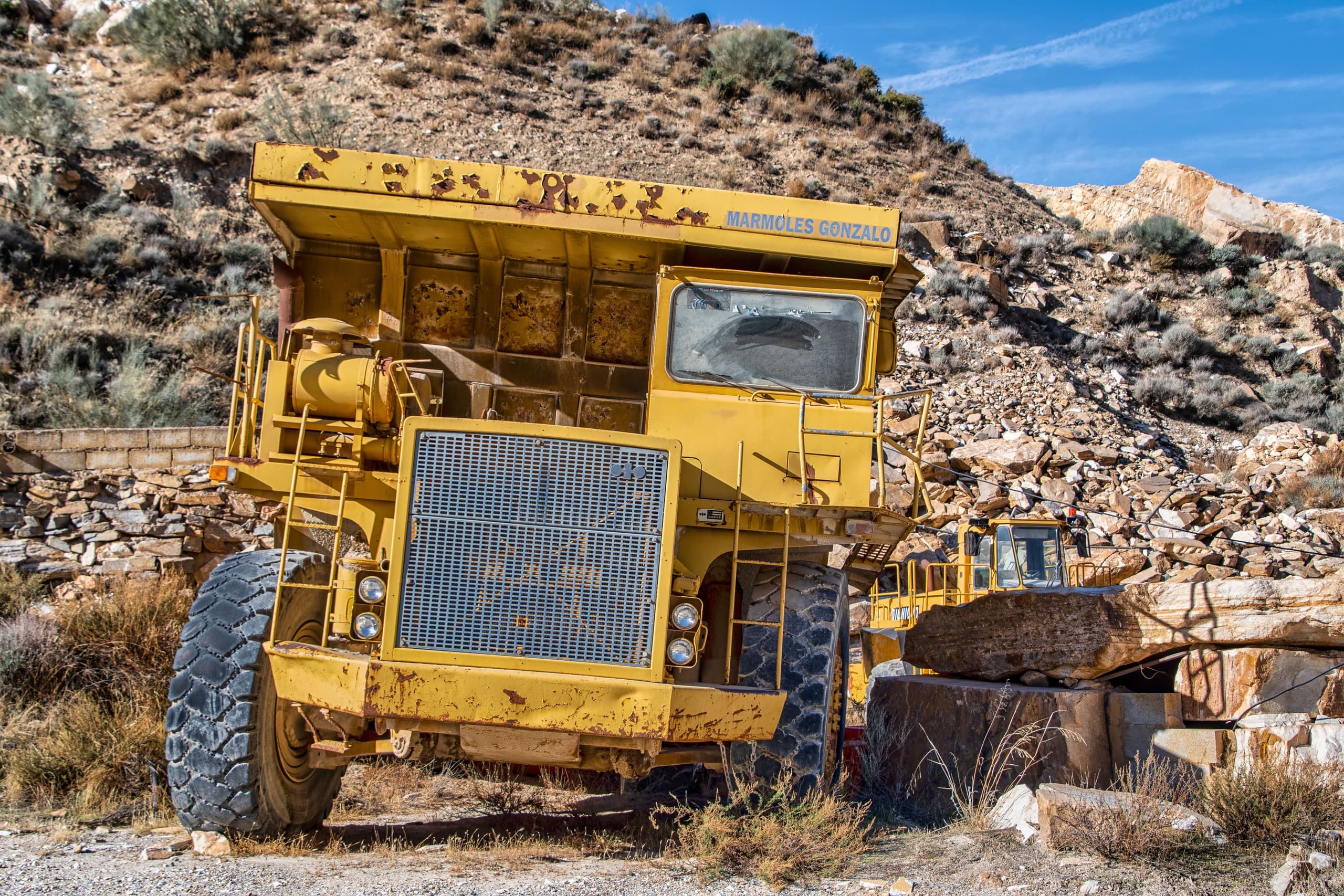
The Challenge: Losing Traction on Haul Roads
In mining operations, haul roads are the lifelines that connect the pit to the processing plant or waste dump. But when these roads become slippery—due to rain, snow, ice, or excessive mud—fully loaded haul trucks can lose traction, leading to accidents, delays, and costly downtime. The problem is particularly acute on grades and in regions with harsh weather. While tire chains are a proven solution, improper selection or installation can cause more harm than good. This article outlines the mining truck tire chain rules that every operation should follow to ensure safety and productivity.
Why Haul Roads Become Treacherous
Haul road traction issues stem from several factors:
- Weather conditions: Rain, snow, and ice reduce friction between tires and the road surface.
- Road material: Soft or muddy surfaces, especially when mixed with water, create a slippery layer.
- Gradients: Steep grades increase the risk of wheel slip, particularly for rear-wheel-drive trucks.
- Tire type and condition: Worn or improperly inflated tires exacerbate traction problems.
The impact is significant: sliding trucks can cause collisions, jackknifing, and rollovers. Even without accidents, wheel spin leads to premature tire wear, increased fuel consumption, and reduced haulage rates. In cold climates, ice buildup on roads can halt operations entirely without proper traction aids.
The Solution: Best Practices for Tire Chain Use
Tire chains—also known as snow chains or traction chains—are devices fitted around the tire to increase grip on slippery surfaces. For mining haul trucks, they are typically used on drive wheels. However, to be effective and safe, chains must be applied according to strict rules.
Key Rules for Haul Truck Tire Chains
- Assess the need: Use chains only when conditions warrant—typically when roads are covered with snow, ice, or deep mud. On dry or merely wet roads, chains can damage both tires and road surface.
- Choose the right chain type: Select chains designed for heavy-duty OTR applications. Consider factors like link size, pattern, and material. For mining, cross-link or diamond patterns are common.
- Check compatibility: Ensure chains fit the tire size and tread pattern. Improper fit can cause chain failure or tire damage. Consult your tire manufacturer's guidelines.
- Install correctly: Follow the manufacturer's installation instructions meticulously. Proper tension is critical—too loose and chains can fly off; too tight and they can damage tires.
- Inspect regularly: Before each use, inspect chains for wear, broken links, or corrosion. Replace damaged components immediately.
- Train operators: Ensure operators understand when and how to use chains, including speed limits (typically 30-50 km/h or lower) and driving techniques.
- Remove when not needed: Chains should be removed as soon as conditions improve to prevent unnecessary wear.
Mining Truck Traction Rules: Beyond Chains
While chains are valuable, they are part of a broader traction management strategy. Consider these complementary measures:
- Road maintenance: Regular grading, drainage, and application of abrasives (sand or salt) can reduce the need for chains.
- Tire selection: For muddy conditions, tires with deep tread and self-cleaning properties (like the SH121/R-2) can improve traction without chains.
- Vehicle operation: Reduce speed on slippery roads, avoid sudden braking or acceleration, and use differential locks judiciously.
- Load management: Ensure loads are evenly distributed and within capacity to maintain stability.
Step-by-Step Implementation Guide
Implementing a tire chain program requires planning and training. Follow these steps:
- Risk assessment: Identify haul road segments prone to ice, snow, or mud. Map these areas and prioritize them for chain use.
- Select chains: Work with a reputable supplier to choose chains suitable for your truck fleet and conditions. Consider factors like chain weight, durability, and ease of installation.
- Develop procedures: Create written procedures for chain installation, inspection, and removal. Include safety protocols for mounting and dismounting chains.
- Procure equipment: Ensure you have the necessary tools (e.g., chain tensioners, gloves, ramps) and storage for chains.
- Train personnel: Conduct hands-on training for operators and maintenance staff. Emphasize the importance of proper tension and inspection.
- Pilot testing: Test the procedures on a small scale to identify issues and refine the process.
- Full rollout: Implement across the fleet, with regular audits to ensure compliance.
- Monitor and improve: Track incidents, chain wear, and operator feedback to continuously improve the program.
Real-World Examples
Case Study: Iron Ore Mine in Northern Canada
A large iron ore mine faced frequent haul road closures due to ice. They implemented a tire chain program for their 240-ton haul trucks. By using heavy-duty cross-link chains on drive tires and enforcing a 30 km/h speed limit, they reduced slip-related incidents by 70% and increased winter production by 15%. Key to success was daily chain inspection and operator training.
Case Study: Copper Mine in Chile
In a high-altitude copper mine, muddy roads during the rainy season caused frequent tire spinning. The mine initially tried chains but found they damaged tires due to improper installation. After consulting with Vannova, they switched to a combination of deep-tread tires (SH101/CR-1) and proper chain protocols. The result: 40% less downtime and a 20% reduction in tire costs.
Prevention and Long-Term Strategies
To minimize reliance on chains and ensure long-term safety:
- Invest in road infrastructure: Paved or well-drained haul roads reduce traction issues.
- Use traction-enhancing tires: For muddy conditions, consider tires with deep, self-cleaning treads (e.g., SH111/R-1 for agricultural, but similar principles apply to OTR).
- Implement a tire management system: Regular inflation checks, tread depth monitoring, and rotation extend tire life and maintain traction.
- Stay informed: Keep up with advancements in tire chain technology and best practices.
- Collaborate with suppliers: Partner with tire manufacturers like Vannova for expert advice and tailored solutions.
Frequently Asked Questions (FAQ)
Q1: When should I use tire chains on mining haul trucks?
A1: Use tire chains only when haul roads are covered with snow, ice, or deep mud. On dry or wet roads, chains can damage tires and roads, so they should be removed.
Q2: What are the key rules for installing haul truck tire chains?
A2: Key rules include ensuring proper fit and tension, following manufacturer instructions, inspecting chains before use, and adhering to speed limits (typically 30-50 km/h or lower).
Q3: Can tire chains damage my tires?
A3: Yes, if improperly installed or used on inappropriate surfaces. Chains that are too loose can fly off and damage the truck; too tight can damage tires. Always use chains according to guidelines.
Q4: How do I improve haul road safety beyond tire chains?
A4: Improve haul road safety by maintaining roads, using traction-enhancing tires, training operators, and implementing a comprehensive traction management plan that includes speed limits and load management.


