OTR Tire Tread Pattern by Jobsite: Maintenance Guide for E3/L3 Tires
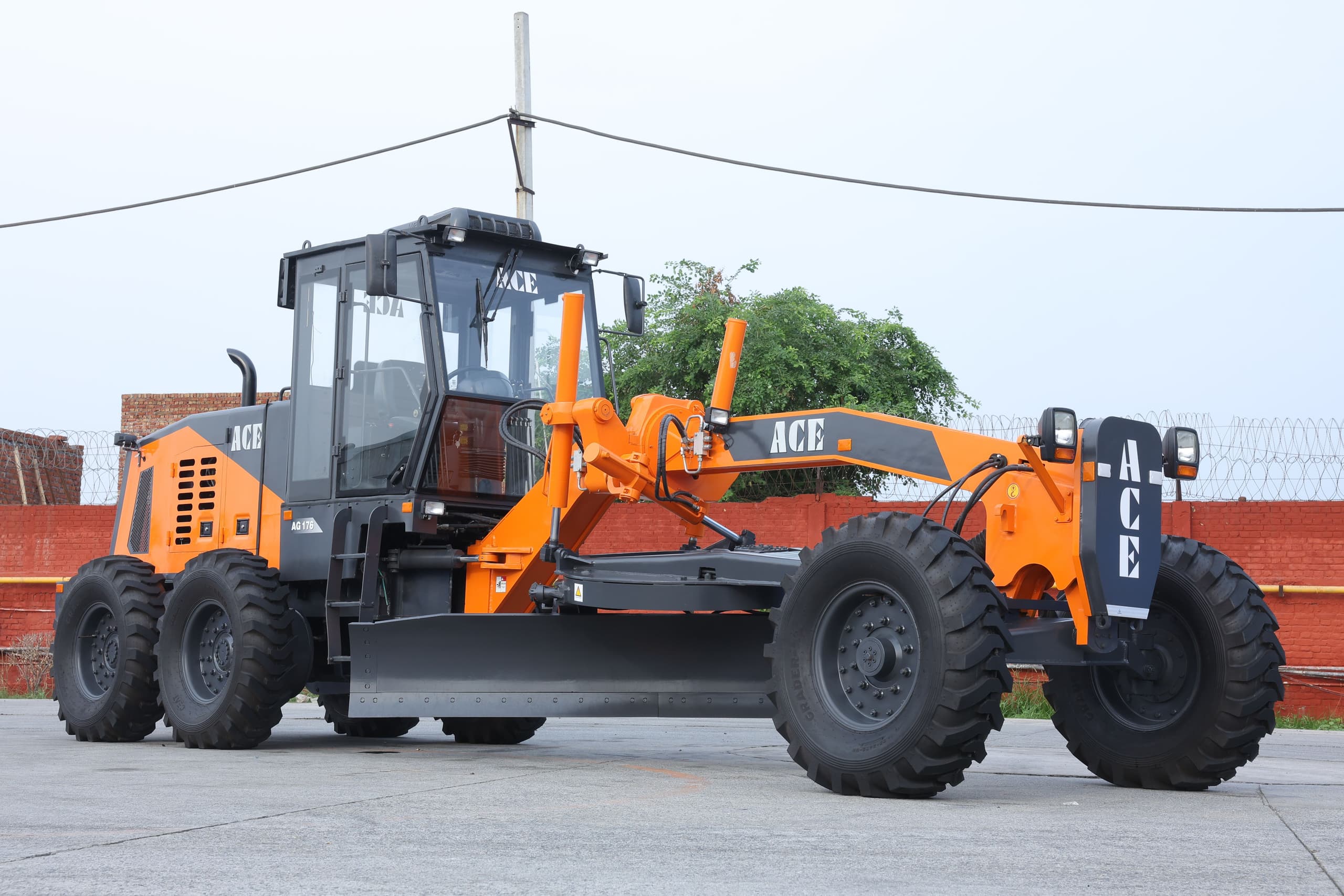
Proper maintenance of OTR (Off-The-Road) tires is critical for equipment uptime, safety, and operating costs. The right OTR tire tread pattern by jobsite ensures optimal traction, wear resistance, and durability. This guide focuses on E3/L3 tread patterns—commonly used on loaders, dozers, and graders—and provides actionable maintenance procedures to extend tire life and reduce downtime.
Why Maintenance Matters for E3/L3 Tires
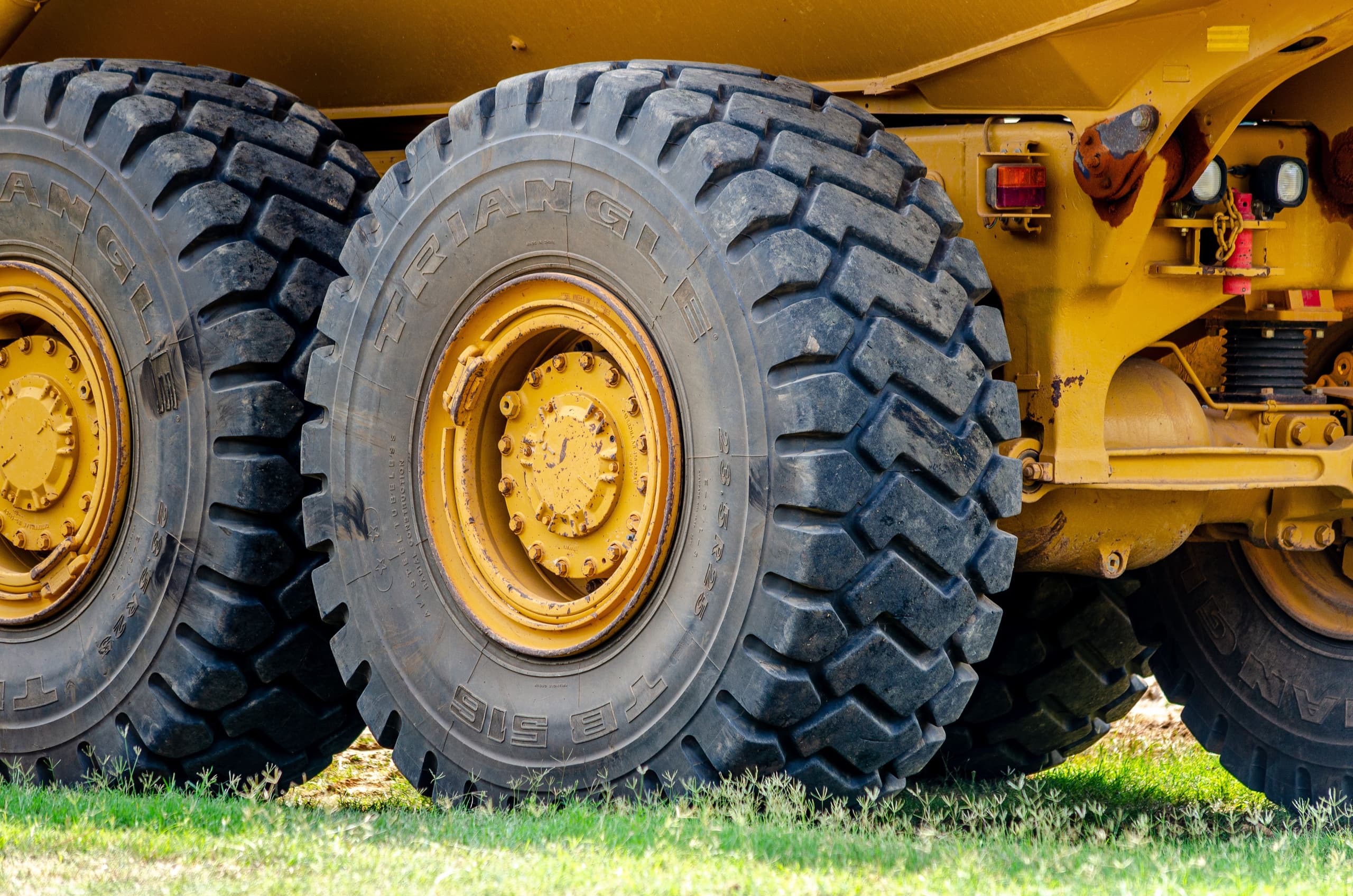
E3/L3 tires feature a deep, aggressive tread designed for earthmoving and loading in moderate to severe conditions. Without regular care, even the best OTR tread selection guide can’t prevent premature wear, cuts, and failures. Proper maintenance:
- Prolongs tire life by up to 30%
- Reduces fuel consumption
- Enhances operator safety
- Minimizes costly downtime
Daily Inspection Checklist
Perform these checks at the start of each shift:
- Visual Inspection: Look for cuts, gouges, embedded objects, and sidewall damage.
- Tread Depth: Measure with a tread depth gauge; minimum 10% of original depth for E3/L3.
- Inflation Pressure: Check cold pressures with a calibrated gauge; maintain manufacturer’s recommendation (typically 35–50 psi for E3/L3).
- Valve Caps and Stems: Ensure caps are secure and stems are undamaged.
- Wheel and Rim Condition: Inspect for cracks, corrosion, and loose nuts.
- Irregular Wear Patterns: Note any uneven wear that could indicate alignment or pressure issues.
Step-by-Step Maintenance Procedures
1. Tire Rotation
- Frequency: Every 500 hours or as wear patterns dictate.
- Procedure:
- Park on level ground and engage parking brake.
- Loosen lug nuts (do not remove).
- Raise vehicle with jack and support with stands.
- Swap tires according to rotation pattern (e.g., front-to-rear, side-to-side).
- Torque lug nuts to manufacturer’s spec (typically 450–550 ft-lbs).
2. Inflation Pressure Maintenance
- Frequency: Daily or before each shift.
- Procedure:
- Use a calibrated gauge; check when tires are cold.
- Inflate to recommended pressure; never exceed max pressure.
- Replace missing valve caps immediately.
3. Tread Cleaning
- Frequency: Weekly or after muddy operations.
- Procedure:
- Remove embedded stones and debris with a dull tool.
- Wash with water and mild detergent; avoid petroleum-based cleaners.
- Inspect for hidden damage after cleaning.
4. Alignment and Balancing
- Frequency: Every 1,000 hours or if irregular wear appears.
- Procedure:
- Check toe-in and camber with alignment equipment.
- Balance tires if vibration is noticed.
- Adjust as per OEM specifications.
Common Issues and Early Warning Signs
- Uneven Wear: Indicates misalignment, incorrect pressure, or worn suspension.
- Cuts and Sidewall Damage: From sharp rocks or debris; monitor and repair if minor.
- Vibration: Could be from imbalance, flat spots, or internal damage.
- Bubbles or Bulges: Sign of internal structural damage; replace immediately.
- Slow Leaks: Often due to damaged valve stems or bead leaks.
Best Practices for Tire Care
- Match Tread Pattern to Jobsite: Use jobsite tire pattern choice based on ground conditions (e.g., E3 for loaders, L3 for dozers).
- Maintain Proper Pressure: Underinflation increases heat and wear; overinflation reduces traction.
- Avoid Overloading: Exceeding load capacity leads to premature failure.
- Train Operators: Educate on avoiding sharp turns and spinning wheels.
- Store Tires Properly: Keep in a cool, dry place away from sunlight and ozone sources.
Cost-Saving Tips Through Proper Maintenance
- Extend Tire Life: Regular maintenance can add 20–30% to tire life.
- Reduce Fuel Costs: Correct inflation improves fuel efficiency by up to 3%.
- Prevent Equipment Damage: Catching issues early avoids costly repairs.
- Optimize Inventory: Track wear to plan replacements and avoid emergency purchases.
- Use Retreads When Appropriate: For non-critical applications, retreading can save 40–50% vs. new tires.
When to Replace vs Repair
| Condition | Action |
|---|---|
| Tread depth < 10% of original | Replace |
| Sidewall cuts > 1/4 inch deep | Replace |
| Multiple repairs in same area | Replace |
| Minor cuts or punctures in tread | Repair if within limits |
| Bead damage | Replace |
| Bulges or bubbles | Replace immediately |
FAQ
Q: How often should I check tire pressure on E3/L3 tires?
A: Check daily or before each shift when tires are cold. Consistent pressure checks prevent uneven wear and extend tire life.
Q: What is the recommended tread depth for replacement?
A: Replace E3/L3 tires when tread depth reaches 10% of the original depth (typically 2–3 mm remaining).
Q: Can I use the same tread pattern for all jobsites?
A: No. The OTR tire tread pattern by jobsite should match ground conditions. For example, E3 is for loaders on moderate surfaces, while L3 is for dozers on rocky terrain.
Q: How can I reduce tire costs without compromising safety?
A: Implement a maintenance schedule, train operators, and consider retreads for non-critical applications. Proper care can extend tire life by 30%.