
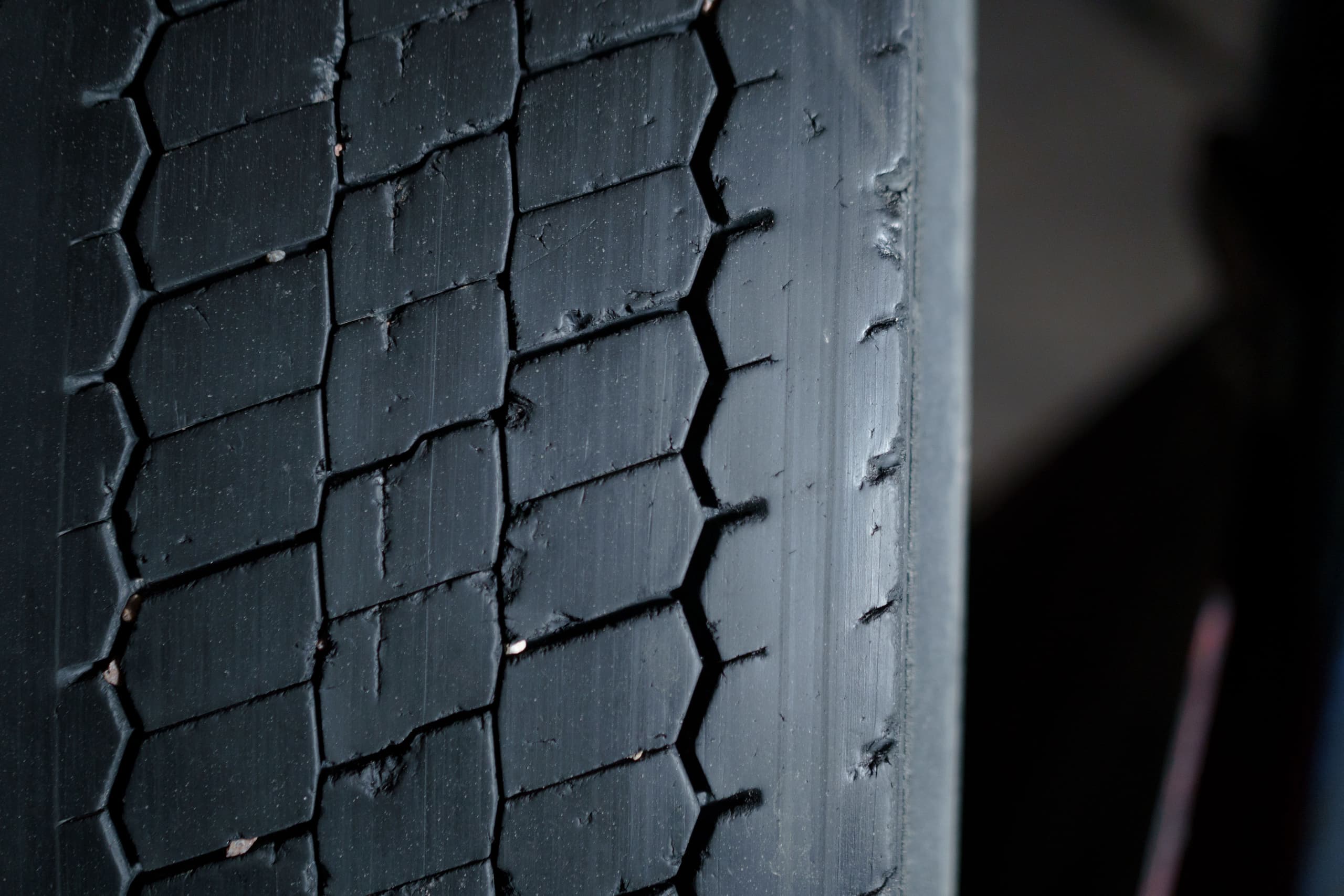
OTR Tire Tread Pattern by Jobsite: 2025 Industry Trend Analysis
The global OTR tire market is undergoing a seismic shift. As mining, construction, and agricultural operations intensify across emerging economies, the demand for application-specific tire designs has never been higher. In 2025, the OTR tire market is projected to reach $32 billion, with tread pattern selection by jobsite emerging as a critical factor in operational efficiency and cost control. This analysis explores how choosing the right OTR tire tread pattern for your specific jobsite is no longer just a maintenance decision—it's a strategic imperative.
Current Market Landscape: Statistics and Key Drivers
The OTR tire industry is experiencing robust growth, driven by infrastructure development, mining activities, and mechanized agriculture. According to the latest industry reports, the global OTR tire market is expected to grow at a CAGR of 5.8% from 2025 to 2030. Key statistics underscore this trend:
- Mining sector demand: Surface mining accounts for 35% of OTR tire consumption, with underground mining at 15%.
- Construction boom: Global construction spending is projected to reach $15 trillion by 2025, fueling demand for tires on loaders, bulldozers, and dump trucks.
- Agricultural mechanization: The Asia-Pacific region leads in agricultural tire demand, with a 6.2% annual growth rate.
- Replacement cycle: The average replacement cycle for OTR tires has shortened from 5-7 years to 3-5 years due to more intensive usage.
These drivers are pushing manufacturers to develop specialized tread patterns that match specific jobsite conditions. The days of one-size-fits-all tires are over; today's operators demand OTR tread selection guides that address the unique challenges of their work environments.
Emerging Technologies and Innovations in Tread Design
Technological advancements are revolutionizing OTR tire tread patterns. Three key innovations are shaping the industry:
1. Advanced Rubber Compounds
New silica-based compounds enhance cut and chip resistance while maintaining flexibility in extreme temperatures. For example, Vannova's agricultural tire line, such as the SH121/R-2, utilizes deep tread patterns that provide good traction and self-cleaning, ideal for paddy-to-dry conversion conditions.
2. Smart Tread Patterns
Computer-aided design (CAD) and finite element analysis (FEA) are enabling tread patterns optimized for specific jobsite parameters. For instance, the SH101/CR-1, converted from R-1 wet paddy field pattern, is specifically suited for paddy field conditions, offering deep tread for traction and self-cleaning.
3. Sustainable Materials
Manufacturers are incorporating recycled rubber and bio-based oils to reduce environmental impact without compromising performance. This trend aligns with the industry's push toward sustainability and circular economy principles.
These innovations are making OTR tire pattern comparison more nuanced, as operators can now choose tires tailored to their exact jobsite needs.
Regional Market Analysis: Global Perspectives
OTR tire demand varies significantly by region, influenced by local industries and terrain.
- North America: dominated by construction and mining, with a preference for radial tires due to their durability and fuel efficiency. The region accounts for 25% of global OTR tire revenue.
- Asia-Pacific: the fastest-growing market, driven by agricultural mechanization and infrastructure projects. Countries like India and China are major consumers of bias tires for agricultural applications, such as the SH111/R-1, which provides good traction and wear resistance for tractor drive wheels.
- Europe: stringent emission regulations are pushing the adoption of low-rolling-resistance tires, particularly in port and material handling equipment.
- Latin America: mining activities in Chile and Peru are driving demand for large radial OTR tires.
- Africa: increasing mining operations in South Africa and Ghana are creating opportunities for specialized OTR tires with cut-resistant tread patterns.
This regional diversity underscores the importance of jobsite tire pattern choice. Operators must consider local conditions—from muddy paddy fields to rocky quarries—when selecting tires.
Future Outlook and Predictions
The future of OTR tire tread patterns will be shaped by three key trends:
- Customization at Scale: Manufacturers will offer modular tread designs that can be adapted to specific jobsite conditions, blurring the line between standard and custom tires.
- Digital Integration: Embedded sensors will provide real-time data on tread wear and performance, enabling predictive maintenance and further optimizing tread pattern selection.
- Circular Economy: Retreading and recycling will become standard practice, with tread patterns designed for multiple lifecycles.
By 2030, we predict that over 50% of OTR tires will be application-specific, up from 30% today. This shift will make OTR tread selection guides indispensable for procurement teams.
Implications for Buyers and Operators
For buyers and operators, the evolving landscape presents both challenges and opportunities. Here are strategic recommendations:
- Conduct a Jobsite Audit: Assess your terrain, load conditions, and climate to determine the optimal tread pattern. Use an OTR tread selection guide to match patterns to jobsite requirements.
- Leverage Data: Utilize telematics and tire pressure monitoring systems to track performance and adjust selection.
- Prioritize Total Cost of Ownership: While upfront costs matter, consider longevity, fuel efficiency, and retreadability. For example, deep tread patterns like those in the SH121/R-2 offer excellent resistance to weathering and aging, reducing long-term costs.
- Partner with Experts: Work with manufacturers like Vannova that offer specialized tires for diverse applications, from agricultural to mining.
- Stay Informed: Keep abreast of emerging technologies and regional trends to make informed decisions.
By following these recommendations, operators can optimize their OTR tire pattern comparison and achieve significant operational savings.
FAQ
Q1: What is the most important factor in choosing an OTR tire tread pattern?
A: The primary factor is the jobsite conditions—terrain, load, and climate. For example, deep tread patterns are ideal for muddy or soft surfaces, while ribbed patterns suit hard, smooth surfaces.
Q2: How do radial and bias tires differ in tread pattern selection?
A: Radial tires offer better fuel efficiency and tread life, making them suitable for high-speed and long-haul applications. Bias tires are more robust for tough, off-road conditions and are often used in agricultural and construction settings.
Q3: Can I use agricultural tires for construction jobsites?
A: No, agricultural tires are designed for field conditions and may not withstand the cut and puncture hazards of construction sites. Always use tires specifically designed for your jobsite.
Q4: How often should I replace OTR tires?
A: Replacement depends on usage and tread wear. Generally, OTR tires last 3-5 years in intensive operations. Regular inspections and tread depth checks are essential.
By understanding the trends and technologies shaping OTR tire tread patterns, you can make strategic decisions that enhance performance and reduce costs. For more insights, explore Vannova's range of application-specific tires.


