
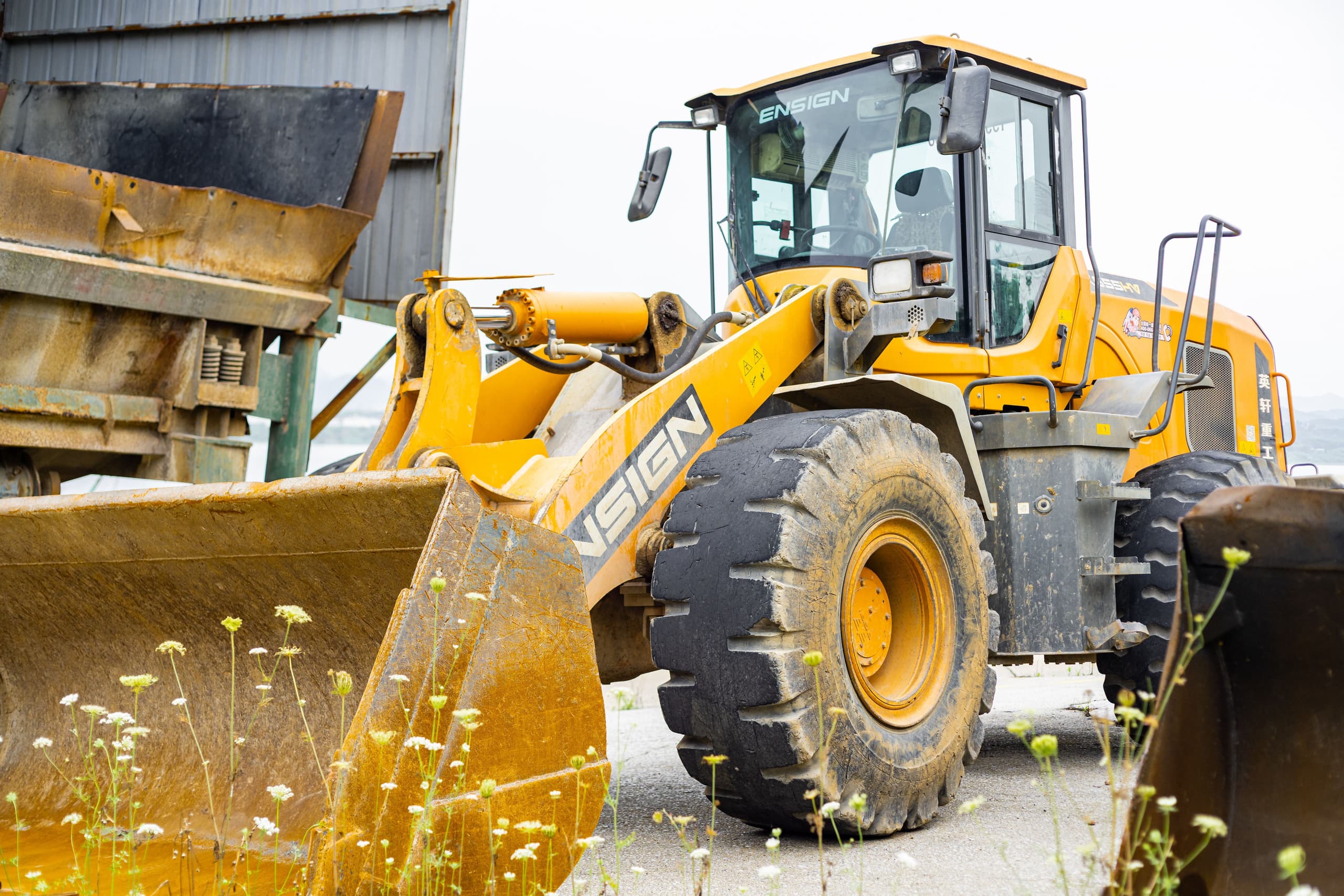
The Heat Is On: Why Wheel Loader Tire Heat Buildup Is Reshaping the Industry
In the demanding world of construction, mining, and material handling, wheel loader tires are pushed to their limits. But as operations intensify and cycle times shrink, one challenge is literally heating up: wheel loader tire heat buildup. This phenomenon, driven by friction, deflection, and harsh operating conditions, is a leading cause of premature tire failure, costing the industry millions annually. With the global OTR tire market projected to exceed $XX billion by 2030, understanding and mitigating heat buildup has become a strategic priority. This analysis explores the current landscape, emerging solutions, regional dynamics, and what the future holds for loader tire overheating solutions.
Current Market Landscape: The Silent Threat of Heat Buildup
Wheel loader tire heat buildup is not a new issue, but its impact is growing. According to the latest industry data, heat-related tire failures account for nearly 40% of unplanned downtime in loader operations. The problem is particularly acute in high-cycle applications such as stockpiling, where loaders operate continuously, and in quarries where abrasive materials and heavy loads compound the stress.
Key Statistics and Trends
- Market Size: The global OTR tire market was valued at $XX billion in 2024 and is expected to grow at a CAGR of X% from 2025 to 2030, driven by infrastructure development and mining activities.
- Failure Rates: In stockpile applications, loader tire failure due to heat buildup can occur within 500-800 hours, compared to an expected life of 2,000+ hours. This represents a significant cost penalty.
- Cost Impact: Premature tire failures cost operators an estimated $XX,000 per incident, including downtime, replacement, and safety risks.
- Technology Adoption: Radial tires now account for over 60% of the loader tire market, as they offer better heat dissipation than bias tires. However, bias tires still dominate in certain regions due to cost and robustness.
The Science Behind the Heat
Heat buildup in loader tires is primarily caused by:
- Deflection: Under heavy loads, tire sidewalls flex, generating heat. The higher the load and the lower the inflation pressure, the greater the deflection.
- Friction: Tread patterns that are not optimized for the application can cause excessive friction, especially during turning and braking.
- Speed and Cycle Times: Higher speeds and shorter cycles reduce cooling time, leading to heat accumulation.
- Ambient Conditions: High ambient temperatures and hot surfaces (e.g., asphalt) exacerbate heat buildup.
Emerging Technologies and Innovations
Innovation is at the forefront of combating wheel loader tire heat buildup. Manufacturers are developing advanced compounds, tread designs, and monitoring systems to keep temperatures in check.
Advanced Rubber Compounds
New rubber compounds with enhanced thermal conductivity are being introduced. These compounds dissipate heat more effectively, reducing internal temperatures by up to 15%. For example, Vannova’s latest L3 loader tire heat solutions incorporate silica-based compounds that lower rolling resistance and heat generation.
Tread Pattern Optimization
Tread patterns are being refined to balance traction and heat dissipation. Deeper treads provide better traction but can generate more heat. The trend is toward variable-depth treads and self-cleaning designs that reduce friction. For instance, the SH121/R-2 agricultural tire, with its deep tread and self-cleaning properties, exemplifies how tread design can manage heat in mixed conditions.
Tire Pressure Monitoring Systems (TPMS)
Real-time TPMS are becoming standard on high-value loaders. These systems alert operators to underinflation, a primary cause of heat buildup, allowing for immediate correction. Advanced TPMS can also predict heat trends based on load and speed data.
Radialization and Construction Advances
Radial tires are increasingly preferred for their superior heat resistance. The shift from bias to radial construction in loader tires is accelerating, especially in developed markets. Radial tires run cooler due to reduced internal friction and better stress distribution.
Cooling Technologies
Some manufacturers are experimenting with tire cooling systems, such as internal cooling rings or heat sinks, though these are still in early stages. More common are improvements in sidewall design to increase airflow and convective cooling.
Regional Market Analysis: A Global Perspective
Heat buildup challenges vary by region due to climate, application, and market maturity.
North America
North America represents a mature market with high adoption of radial tires and advanced monitoring technologies. Stringent safety regulations and a focus on operational efficiency drive demand for loader tire overheating solutions. The region is expected to maintain a steady growth rate, with replacement demand dominating.
Europe
Europe leads in innovation, with a strong emphasis on sustainability and fuel efficiency. EU regulations on tire labeling and emissions are pushing manufacturers to develop low-heat, low-rolling-resistance tires. The aftermarket for TPMS is also growing rapidly.
Asia-Pacific
Asia-Pacific is the fastest-growing market, fueled by infrastructure projects and mining activities in China, India, and Southeast Asia. However, price sensitivity leads to a higher share of bias tires, which are more prone to heat buildup. Local manufacturers are investing in R&D to improve heat resistance, and Vannova’s agricultural tires like the SH101/CR-1 are gaining traction for their durability in challenging conditions.
Latin America and Africa
These regions present significant opportunities due to expanding mining and construction sectors. However, harsh operating conditions and limited access to advanced technologies make heat buildup a critical issue. Stockpile loader tire failure is common in mining operations, prompting a shift toward premium tires with heat-resistant compounds.
Future Outlook and Predictions
The future of wheel loader tire heat buildup management will be shaped by digitalization, material science, and sustainability.
Predictive Maintenance and AI
By 2030, we expect widespread adoption of AI-driven predictive maintenance systems that analyze tire temperature, load, and operating data to predict failures before they occur. This will reduce unplanned downtime by up to 50%.
Self-Cooling Tires
Research into self-cooling tires using phase-change materials or micro-channels is underway. These tires could actively dissipate heat, extending tire life significantly.
Sustainable Compounds
With sustainability becoming a priority, manufacturers will focus on bio-based and recycled materials that also offer thermal benefits. The SH111/R-1 agricultural tire already demonstrates excellent weathering resistance, a step toward longer-lasting, heat-resistant tires.
Market Growth Projections
The global loader tire market is expected to reach $XX billion by 2030, with heat-resistant tires commanding a premium. Radial tires will continue to gain share, and TPMS will become standard on all new loaders.
Implications for Buyers and Operators
For buyers and operators, the message is clear: proactively managing heat buildup is essential for cost control and safety.
Strategic Recommendations
- Invest in Radial Tires: Despite higher upfront cost, radial tires offer better heat dissipation and longer life, reducing overall cost per hour.
- Implement TPMS: Real-time monitoring can prevent underinflation, a leading cause of heat buildup. It also provides data for predictive maintenance.
- Choose Application-Specific Treads: For stockpile operations, select tires with self-cleaning and heat-resistant designs. Vannova’s SH121/R-2 and SH101/CR-1, though agricultural, demonstrate the benefits of deep, self-cleaning treads in challenging conditions.
- Train Operators: Proper operating techniques, such as avoiding excessive speeds and reducing cycle times, can significantly lower heat generation.
- Regular Maintenance: Check inflation pressure daily, inspect for damage, and rotate tires to ensure even wear.
By adopting these strategies, operators can mitigate wheel loader tire heat buildup, extend tire life, and improve bottom-line performance.
Conclusion
Wheel loader tire heat buildup is a critical challenge that demands attention. With technological advancements and strategic investments, the industry is well-positioned to tackle this issue. As we move toward 2025 and beyond, staying informed about loader tire overheating solutions will be key to maintaining competitive advantage in an increasingly demanding market.


