
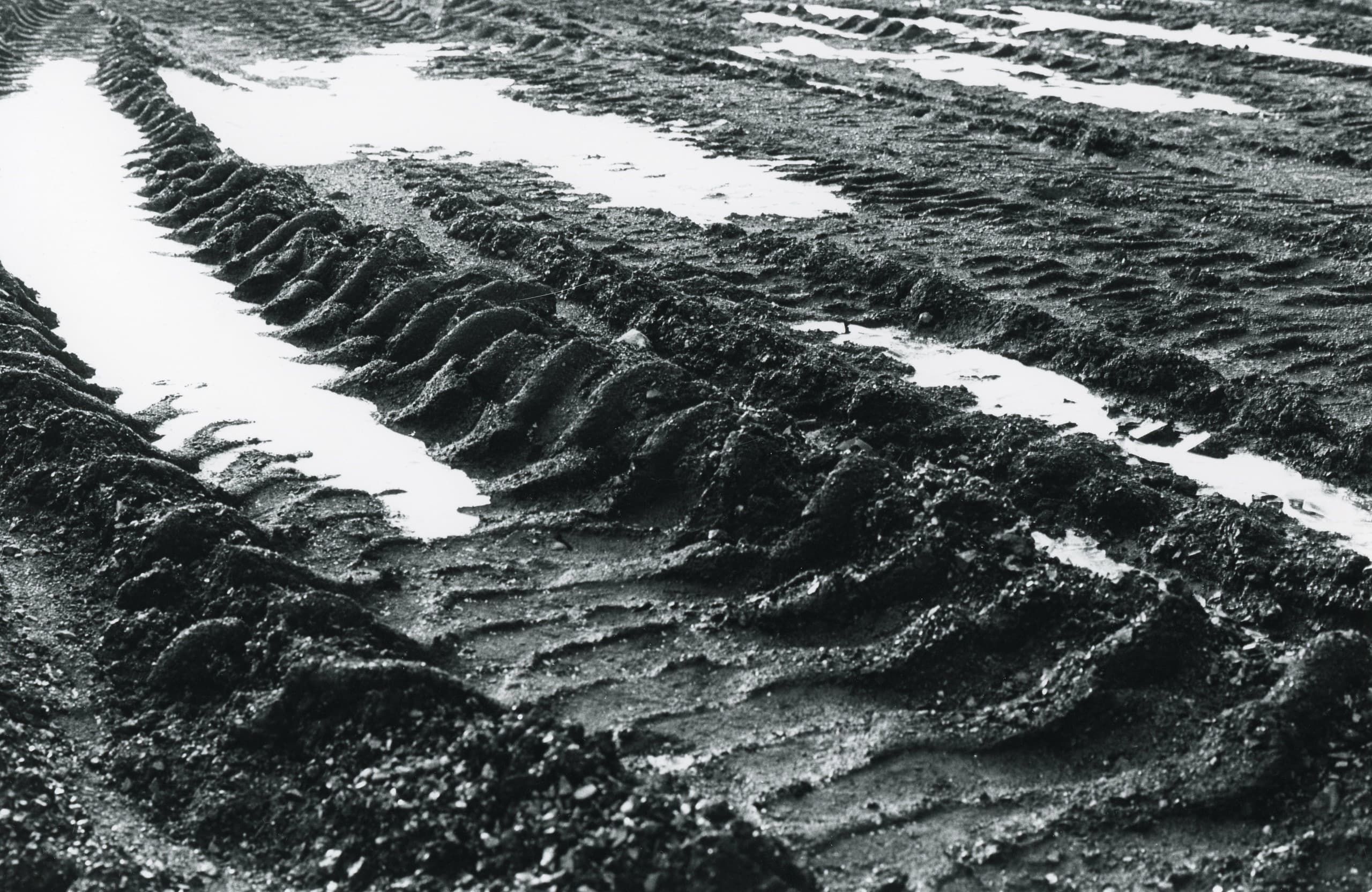
The Challenge: ADT Tire Pressure on Wet Terrain
Articulated dump trucks (ADTs) are the workhorses of mining, construction, and quarry operations, hauling heavy loads across challenging landscapes. But when the ground turns wet—whether from rain, groundwater, or slurry—these machines face a perfect storm of reduced traction, increased rolling resistance, and higher risk of tire damage. The culprit? Often, improper ADT tire pressure wet terrain conditions. Too high, and tires lose their grip; too low, and you risk sidewall damage and overheating. This article dives deep into the causes, solutions, and best practices for managing tire pressure on ADTs in wet conditions, ensuring your fleet stays productive and safe.
Why Wet Terrain Demands Special Attention
The Physics of Wet Traction
When an ADT operates on wet ground, the tire's contact patch interacts with a thin film of water. This reduces friction and can lead to hydroplaning, especially at higher speeds. The tread pattern's ability to channel water away (self-cleaning) becomes critical. Additionally, wet soil has lower bearing capacity, so tires sink more, increasing rolling resistance and fuel consumption.
Common Causes of Pressure-Related Issues
- Incorrect Inflation: Operators often maintain pressures suited for dry, hard ground, which are too high for wet, soft conditions. High pressure reduces the tire's ability to conform to the ground, decreasing traction.
- Neglecting Load Adjustments: ADTs carry varying loads; pressure should be adjusted accordingly. Overloading with high pressure can cause tire damage.
- Ignoring Temperature Effects: Wet conditions often accompany cooler temperatures, but tire pressure still fluctuates with heat buildup during operation.
- Lack of Monitoring: Without regular checks, pressure can drift due to leaks or permeation, leading to suboptimal performance.
Impact on Operations
- Reduced Productivity: Slipping and spinning waste time and fuel.
- Increased Wear: Improper pressure accelerates tread wear and sidewall fatigue.
- Safety Hazards: Loss of traction can lead to accidents, especially on slopes.
- Higher Costs: Premature tire failure and increased fuel consumption drive up operating expenses.
Solution Overview: Best Practices for ADT Tire Pressure on Wet Ground
Understanding the Right Pressure
There is no one-size-fits-all pressure; it depends on tire size, load, and ground conditions. However, general guidelines suggest:
- Consult the Manufacturer's Load/Pressure Table: Always start with the tire manufacturer's recommendations for the specific tire and load.
- Reduce Pressure for Wet, Soft Ground: Lowering pressure increases the contact patch, improving flotation and traction. A common practice is to reduce pressure by 10-20% from the dry-ground recommendation, but never below the minimum safe pressure for the load.
- Use Central Tire Inflation Systems (CTIS): Many modern ADTs come with CTIS, allowing on-the-go pressure adjustments. Set pressures according to terrain.
Optimal ADT Tire Traction Settings
- Tread Pattern Matters: Choose tires with deep, self-cleaning treads designed for wet conditions. For example, agricultural tires like the SH121/R-2 and SH101/CR-1 feature deep tread patterns that provide good traction and self-cleaning, making them suitable for wet, muddy environments. However, note that these are agricultural tires; for ADTs, select OTR tires with similar characteristics.
- Ballasting: Adding ballast (if permitted) can improve traction, but it also increases load; adjust pressure accordingly.
- Driving Techniques: Smooth acceleration and steering prevent wheel spin and reduce damage.
Selecting the Right Wet Ground ADT Tires
When choosing tires for wet terrain, look for:
- Deep tread depth for water evacuation and self-cleaning.
- Wide footprints for flotation.
- Cut- and chip-resistant compounds for durability.
- Radial construction for better flexibility and even wear (though bias tires are common in ADTs for their toughness).
While the referenced agricultural tires (SH121/R-2, SH101/CR-1, SH111/R-1) are not ADT tires, their design principles—deep treads, self-cleaning, weathering resistance—are relevant. For ADTs, consult Vannova's OTR tire lineup for specific wet-terrain models.
Step-by-Step Implementation Guide
Step 1: Assess the Terrain and Load
Before adjusting pressure, evaluate the ground conditions (mud, water depth, slope) and the load being carried. Use a penetrometer or simple visual inspection to gauge soil strength.
Step 2: Refer to the Load/Pressure Chart
Obtain the load/pressure table for your specific tire model. Determine the correct pressure for the actual load and speed. For wet conditions, consider reducing pressure by 10-20% if the load allows.
Step 3: Adjust Pressure Accordingly
- If equipped with CTIS: Use the system to set the desired pressure. Ensure the system is calibrated.
- Manual adjustment: Use a calibrated gauge and deflate/inflate to the target pressure. Always check when tires are cold.
Step 4: Monitor and Maintain
- Daily checks: Inspect tires for damage and check pressure.
- Use TPMS: Tire Pressure Monitoring Systems provide real-time data and alerts.
- Record keeping: Log pressure adjustments and tire performance to refine future decisions.
Step 5: Train Operators
Ensure operators understand the importance of proper pressure for wet conditions and how to adjust it. Provide clear guidelines and encourage reporting of any issues.
Real-World Examples and Case Studies
Case Study 1: Quarry Operation in Rainy Season
A quarry in Southeast Asia faced frequent downtime during the monsoon season due to ADT tire slippage. By implementing a pressure reduction strategy (lowering pressure by 15% on wet days) and switching to tires with deeper treads, they increased traction and reduced cycle times by 12%. Fuel consumption dropped by 8%, and tire life extended by 10%.
Case Study 2: Mining Site with Underground Water
An underground mine with wet floors struggled with tire damage from spinning. They adopted a CTIS system and trained operators to adjust pressure based on water levels. The result: a 20% reduction in tire-related downtime and a significant decrease in tire costs.
Lessons Learned
- Flexibility is key: Static pressure settings are inadequate for changing conditions.
- Technology helps: CTIS and TPMS are valuable investments.
- Operator buy-in: Training and clear procedures ensure compliance.
Prevention and Long-Term Strategies
Regular Maintenance and Inspection
- Tread depth checks: Maintain minimum tread depth for wet conditions.
- Sidewall inspection: Look for cuts, bulges, or embedded objects.
- Pressure calibration: Ensure gauges are accurate.
Invest in the Right Technology
- CTIS: Allows quick adjustments without stopping.
- TPMS: Provides real-time monitoring and alerts.
- Telematics: Integrate tire data with fleet management for predictive maintenance.
Tire Selection for Wet Climates
Choose tires specifically designed for wet, soft ground. Look for features like:
- Deep, open treads for self-cleaning.
- Weather-resistant compounds to prevent aging (as seen in the SH121/R-2 and SH101/CR-1).
- Reinforced sidewalls for durability.
Develop a Pressure Management Policy
Create a written policy outlining pressure settings for different conditions, responsibilities, and record-keeping. Review and update regularly based on performance data.
Partner with a Reliable Tire Supplier
Work with a manufacturer like Vannova that offers technical support and a range of OTR tires suitable for wet terrain. Their expertise can help you select the best tires and optimize pressure settings.
By following these guidelines, you can master ADT tire pressure wet terrain challenges, enhancing safety, productivity, and cost-efficiency in your operations.


