Why E4 Mining Tire Tread Depth Replacement Matters
In mining operations, tires are a major operational expense, and their performance directly impacts productivity and safety. E4 mining tires are designed for earthmoving equipment like loaders, dozers, and haul trucks, where deep treads and robust construction are essential. Deciding when to replace these tires is not just about avoiding downtime—it's about optimizing cost per hour, maintaining traction on challenging surfaces, and ensuring operator safety. This article compares different approaches to E4 tire tread depth replacement, providing data-driven insights to help you make informed decisions.
Understanding E4 Tire Wear Thresholds
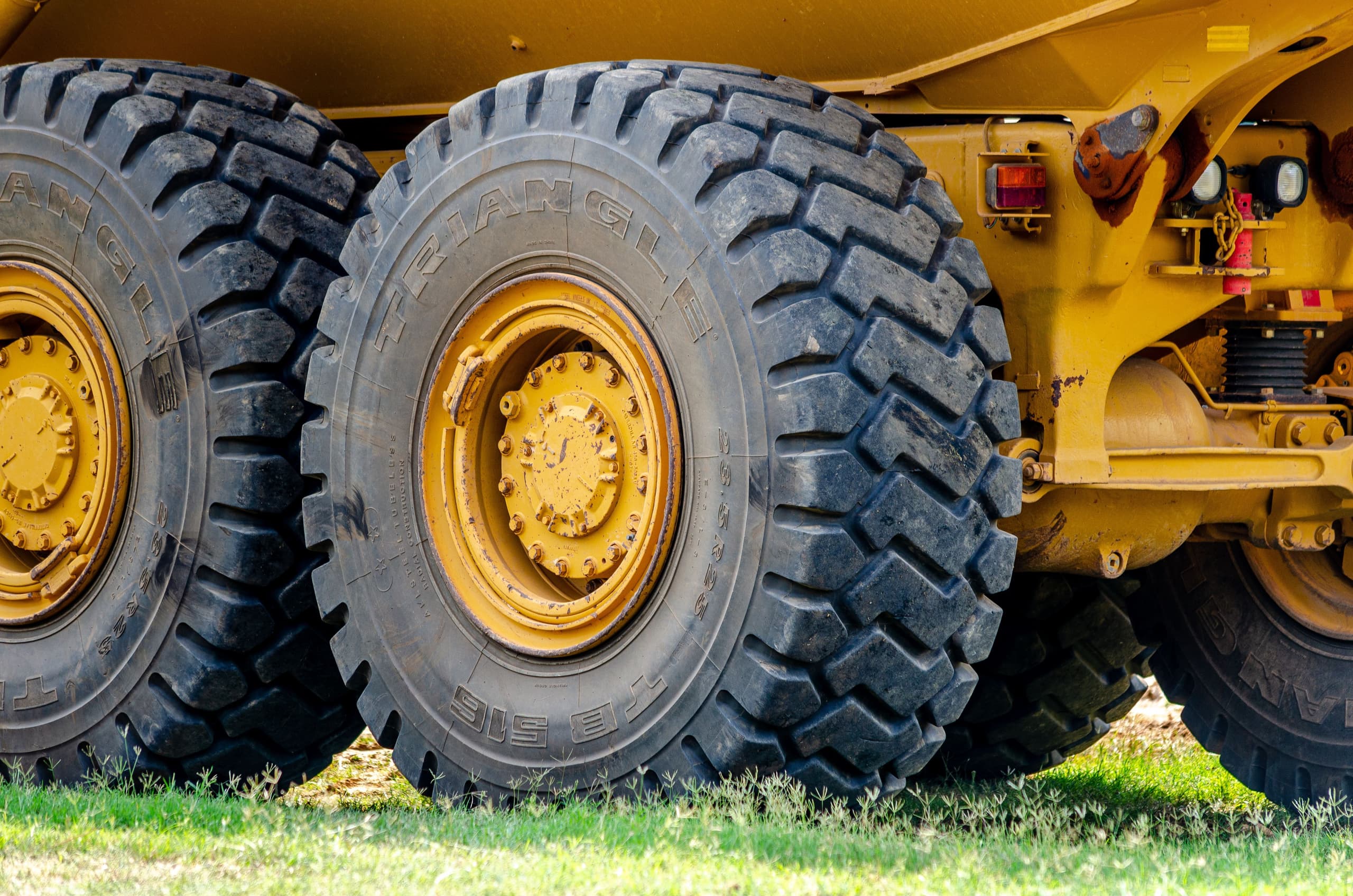
E4 tires are classified under the E-4 standard (TRA code) for earthmoving equipment, featuring a deep tread pattern (typically 250% of E-3 depth) for maximum traction and cut resistance in severe applications. Tread depth is measured in 32nds of an inch or millimeters, and wear thresholds are critical indicators of tire health.
Key Wear Indicators
- Original Tread Depth (OTD): New E4 tires typically have 60–80 mm (2.4–3.1 inches) of tread, depending on size and manufacturer.
- Replacement Threshold: Most operators replace E4 tires when tread depth reaches 10–15% of OTD (approximately 6–12 mm), but this can vary based on application and safety requirements.
- Wear Rate: Measured in mm per 100 hours; typical rates range from 0.5–2 mm/100h depending on abrasiveness and load.
E4 Tire Tread Measurement Best Practices
Accurate measurement is crucial for timing replacement. Use a tread depth gauge at multiple points across the tread (at least three grooves) and average the readings. Avoid measuring at the tread wear indicators alone; instead, track wear over time to predict remaining life.
Overview of Replacement Options
When it comes to E4 tire tread depth replacement, operators generally choose between two main strategies: replacing at a fixed wear threshold (e.g., 10% OTD) or condition-based replacement (monitoring performance and damage). Each approach has trade-offs.
Fixed Threshold Replacement
- Pros: Simple to administer, predictable budgeting, ensures safety margins.
- Cons: May replace tires prematurely if wear is uneven, leading to higher costs.
Condition-Based Replacement
- Pros: Maximizes tire life, reduces waste, potentially lower cost per hour.
- Cons: Requires more monitoring, risk of unexpected failure if not properly executed.
Head-to-Head Comparison: Fixed vs. Condition-Based Replacement
| Criteria | Fixed Threshold | Condition-Based |
|---|---|---|
| Ease of Management | High (simple rule) | Moderate (requires monitoring) |
| Cost per Hour | Higher (premature replacement) | Lower (optimized life) |
| Safety Risk | Low (conservative) | Moderate (depends on monitoring) |
| Impact on Productivity | Minimal (planned downtime) | Potential unplanned downtime |
| Suitability | High-abrasion, consistent wear | Variable conditions, mixed fleet |
Performance Differences in Various Applications
E4 tires are used in diverse mining environments, and wear patterns vary significantly. Understanding these differences helps tailor replacement decisions.
Surface Mining (Loaders, Dozers)
In abrasive conditions like iron ore or copper mines, wear rates can be high (up to 2 mm/100h). Fixed threshold replacement at 10% OTD is common to prevent catastrophic failures. However, condition-based monitoring can extend life if wear is even.
Underground Mining
Limited space and harsh conditions lead to irregular wear. Condition-based replacement, with frequent inspections, is often more cost-effective as long as safety is not compromised.
Quarry Operations
Moderate abrasion and consistent surfaces allow for predictable wear. Fixed threshold works well, but condition-based can yield savings if tires are rotated and maintained.
Haul Trucks (E4)**
For large haul trucks, tire costs are significant. Condition-based replacement, using TPMS and regular tread depth measurement, can reduce cost per ton by up to 15% compared to fixed intervals.
Cost-Benefit Analysis
A cost-benefit analysis must consider tire price, replacement labor, downtime, and safety. Below is a hypothetical comparison for a 50-ton loader tire.
| Cost Factor | Fixed Threshold | Condition-Based |
|---|---|---|
| Tire Price (per tire) | $5,000 | $5,000 |
| Replacement Interval | 4,000 hours | 4,800 hours |
| Cost per Hour (tire only) | $1.25 | $1.04 |
| Labor & Downtime per Swap | $500 | $500 |
| Total Cost per Hour | $1.375 | $1.145 |
| Annual Savings (8,000h) | - | $1,840 |
Note: Savings depend on actual wear rates and monitoring costs.
Condition-based replacement can yield significant savings, but requires investment in monitoring tools and training.
Recommendations Based on Use Case
For High-Abrasion, Consistent Operations
Use fixed threshold replacement at 10% OTD. This simplifies planning and ensures safety.
For Mixed Fleets or Variable Conditions
Adopt condition-based replacement with regular E4 tire tread measurement (every 500 hours) and use of tire pressure monitoring systems (TPMS).
For Critical Safety Applications
Never exceed 5% OTD; combine with non-destructive testing (NDT) for internal damage.
General Best Practices
- Measure tread depth monthly.
- Track wear rates to predict remaining life.
- Rotate tires to promote even wear.
- Maintain proper inflation pressure.
Conclusion
Choosing the right E4 mining tire tread depth replacement strategy is a balance between cost, safety, and operational simplicity. By understanding wear thresholds, measuring accurately, and considering application-specific factors, you can optimize tire performance and reduce overall costs. Whether you opt for fixed thresholds or condition-based monitoring, regular assessment and data-driven decisions are key to success.
For specific tire recommendations, consult your Vannova representative.