
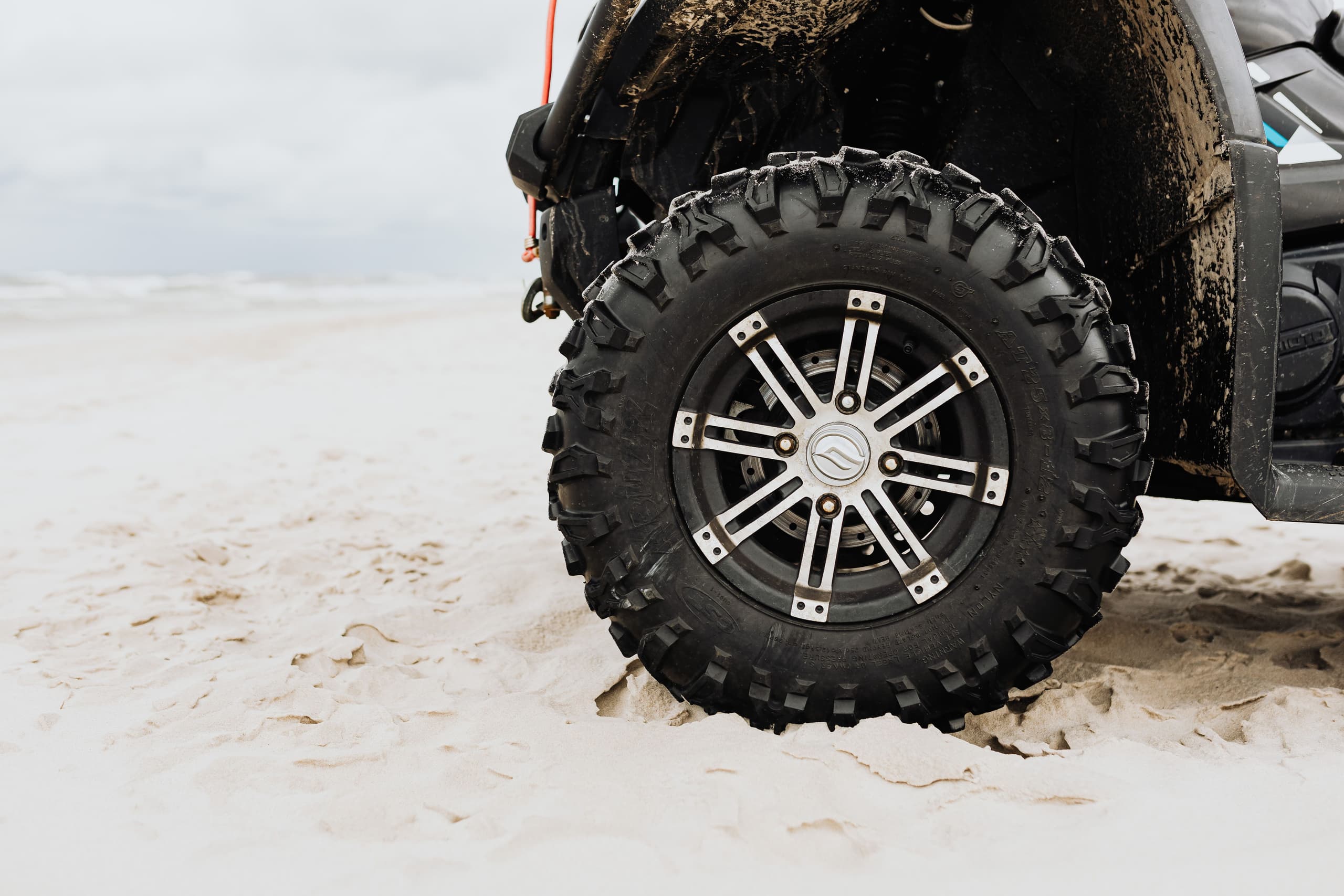
All Terrain Crane Tire Tread Patterns: The Ultimate Guide
All terrain cranes are versatile machines that travel on highways and operate on rugged job sites. The tire tread pattern is critical for performance, safety, and longevity. However, many operators struggle with premature wear, poor traction, and frequent replacements due to incorrect tread selection. This guide addresses these challenges and provides a comprehensive approach to all terrain crane tire tread patterns, ensuring you make informed decisions for your fleet.
The Problem: Why Tread Pattern Selection Matters
All terrain crane tires must perform in diverse conditions—from smooth asphalt to muddy construction sites. The wrong tread pattern leads to:
- Reduced traction: Inadequate grip on wet or loose surfaces increases the risk of accidents and lowers productivity.
- Accelerated wear: Patterns not suited to the application wear out faster, increasing costs.
- Compromised stability: Improper tread can affect load distribution and crane stability, especially during lifting operations.
- Higher fuel consumption: Poor rolling resistance from mismatched tread increases operational costs.
Common causes of these issues include a lack of understanding of tread pattern types, ignoring site-specific conditions, and prioritizing initial cost over total cost of ownership. The impact is significant: unsafe operations, downtime, and inflated budgets.
Solution Overview: Best Practices for Tread Pattern Selection
Selecting the right tread pattern requires a systematic approach. Consider these best practices:
- Assess operating conditions: Identify the primary surfaces (highway, gravel, mud, etc.) and the frequency of each.
- Understand tread pattern types:
- Ribbed patterns: Ideal for highway travel, offering low rolling resistance and good wear.
- Lug patterns: Provide traction in off-road conditions but may wear faster on pavement.
- Combination patterns: Balance on/off-road performance.
- Match tread to axle position: Steering axles benefit from ribbed patterns for precise handling; drive axles need lug patterns for traction.
- Consult manufacturer data: Use load ratings, inflation pressure guidelines, and tread depth specifications.
- Consider retreading: For cost savings, ensure the casing is suitable for retreading.
This AT crane tire comparison highlights that no single pattern fits all; a tailored approach is essential.
Step-by-Step Implementation Guide
Follow this guide to select and implement the optimal tread pattern for your all terrain crane tires.
Step 1: Conduct a Site Survey
Document the surfaces the crane will encounter: percentage of highway vs. off-road, soil types, and weather conditions. This data forms the basis for tread selection.
Step 2: Define Performance Priorities
Rank criteria such as traction, wear life, stability, and fuel efficiency. For example, a crane that spends 80% on-road may prioritize ribbed patterns, while a construction site crane needs aggressive lugs.
Step 3: Evaluate Tread Pattern Options
Use the following table for a quick comparison:
| Pattern Type | Best For | Advantages | Disadvantages |
|---|---|---|---|
| Ribbed | Highway, hard surfaces | Low rolling resistance, long wear | Poor off-road traction |
| Lug | Off-road, muddy conditions | Excellent traction, self-cleaning | Faster wear on pavement |
| Combination | Mixed use | Balanced performance | Compromise on extremes |
Step 4: Select the Right Tire Size and Load Rating
Ensure the tire meets the crane's load requirements. Refer to the manufacturer's load/inflation tables and never exceed rated capacities.
Step 5: Implement and Monitor
Install tires, set correct inflation pressures, and monitor wear patterns. Adjust rotation schedules to promote even wear.
Step 6: Train Operators
Educate operators on tire care, including avoiding excessive speeds, proper loading, and daily inspections.
Case Studies: Real-World Applications
Case Study 1: Urban Construction Crane
A fleet in a city environment needed cranes that traveled on highways to multiple sites. They switched to a ribbed pattern for steering axles and a combination pattern for drive axles. Result: 20% longer tread life and improved fuel efficiency.
Case Study 2: Mining Site Crane
A mining operation required cranes to navigate muddy, rocky terrain. They adopted aggressive lug patterns on all axles. Traction improved significantly, reducing accidents, though tire wear increased; however, the safety gains outweighed the cost.
Case Study 3: Rental Fleet
A rental company with mixed usage standardized on combination patterns. This simplified inventory and provided acceptable performance across various conditions, reducing customer complaints.
These examples underscore the importance of crane tire tread selection tailored to specific needs.
Prevention and Long-Term Strategies
To maximize tire life and performance:
- Regular Inspections: Check tread depth, pressure, and damage weekly.
- Proper Inflation: Maintain recommended pressures; underinflation causes uneven wear and heat buildup.
- Rotation: Rotate tires according to manufacturer guidelines to ensure even wear.
- Retreading: Consider retreading worn tires to extend life and reduce costs.
- Data Tracking: Keep records of tire performance to refine future selections.
By following this all terrain crane tire guide, you can avoid common pitfalls and optimize your fleet's tire strategy.
Conclusion
Selecting the right tread pattern for all terrain crane tires is a critical decision that impacts safety, productivity, and costs. By understanding the problem, adopting best practices, and following a structured implementation guide, you can enhance performance and longevity. Remember to consider site conditions, performance priorities, and long-term maintenance. For further assistance, consult with tire specialists like Vannova to ensure you choose the optimal solution for your specific application.


