Introduction
All terrain cranes are versatile machines that travel on highways and operate on rugged job sites. Their tires must provide stability, traction, and durability across varied surfaces. The tread pattern is a critical factor in tire performance, affecting everything from load distribution to wear resistance. This guide explores the different tread patterns available for all terrain crane tires, helping you make informed decisions for your fleet.
Understanding All Terrain Crane Tire Tread Patterns
All terrain crane tires are designed to handle both on-road and off-road conditions. The tread pattern determines how well the tire performs in different environments. Common patterns include:
- Directional tread patterns: Optimized for rotation in one direction, offering excellent traction and self-cleaning properties.
- Non-directional (symmetric) patterns: Allow for tire rotation in multiple positions, providing even wear and versatility.
- Asymmetric patterns: Combine different tread designs on inner and outer sides for balanced performance.
Each pattern has unique advantages, and the choice depends on your specific application and operating conditions.
Key Specifications and Technical Details
When selecting all terrain crane tire tread patterns, consider these technical specifications:
Tread Depth and Width
- Tread depth: Deeper treads offer better off-road traction but may compromise stability on hard surfaces. Typical depths range from 20 mm to 40 mm.
- Tread width: Wider treads distribute load better but can increase rolling resistance.
Rubber Compounds
- Natural rubber: Provides excellent cut and tear resistance.
- Synthetic blends: Enhance heat resistance and durability for high-speed travel.
Construction Type
- Radial: Offers better fuel efficiency and ride comfort, ideal for long-distance travel.
- Bias: Provides stiffer sidewalls for heavy loads and off-road durability.
Load Capacity and Speed Rating
Ensure the tire meets the crane's load requirements and speed capabilities. All terrain crane tires typically have load indices ranging from 150 to 200 and speed ratings up to 40 km/h.
Application Scenarios and Best Use Cases
Different tread patterns excel in specific scenarios:
On-Road Travel
- Highway patterns: Shallow, ribbed treads reduce rolling resistance and improve fuel efficiency. Ideal for cranes that frequently travel between sites.
- Example: Directional rib patterns provide stable handling at higher speeds.
Off-Road and Construction Sites
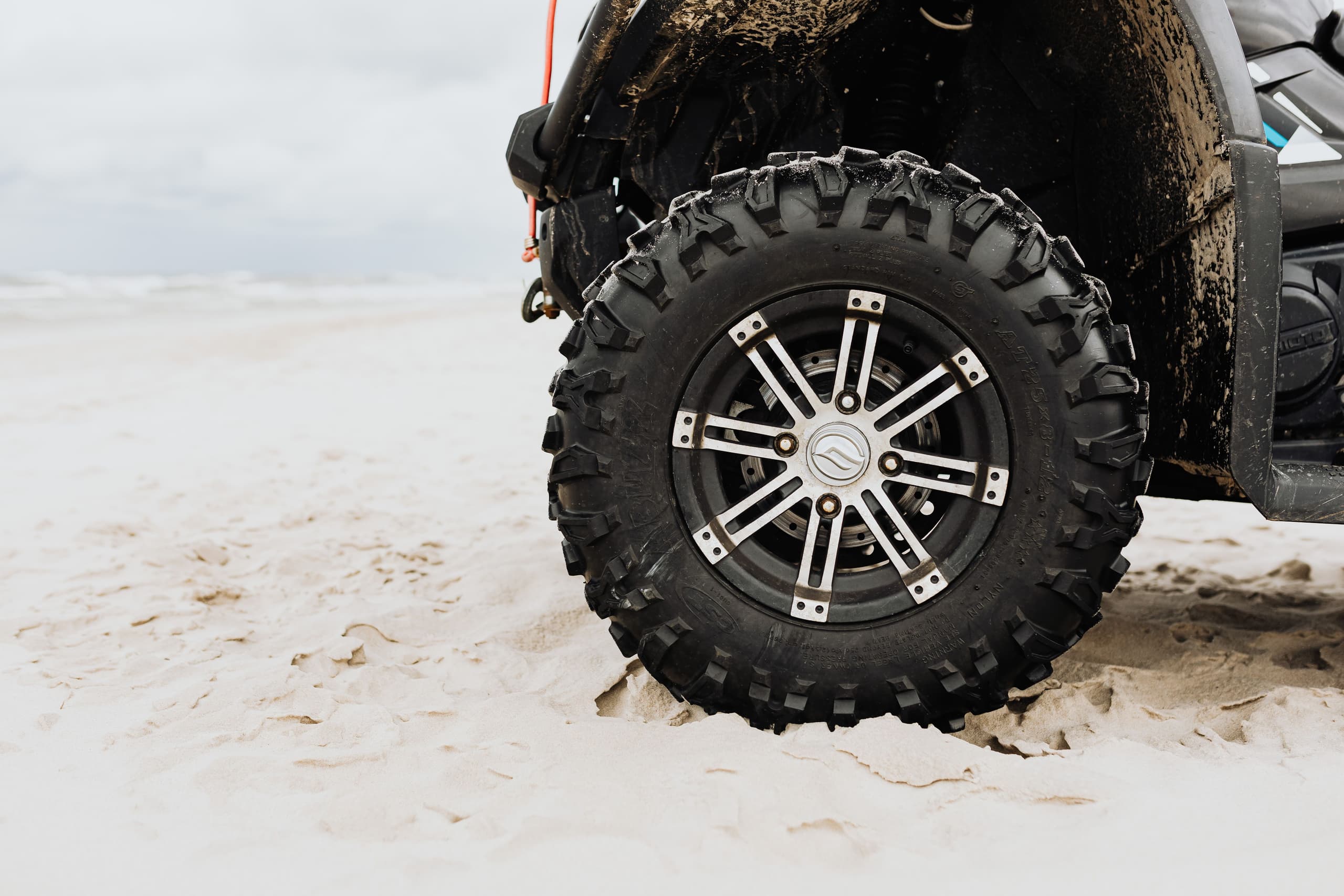
- Traction patterns: Deep, aggressive treads with large lugs provide grip in mud, sand, and loose soil. Suitable for cranes operating on unpaved surfaces.
- Example: Non-directional lug patterns offer self-cleaning and excellent off-road traction.
Mixed-Use Applications
- Hybrid patterns: Combine features of both on- and off-road patterns, offering balanced performance. Ideal for cranes that alternate between road and site work.
- Example: Asymmetric patterns with a continuous center rib and aggressive shoulders.
Performance Characteristics and Benefits
Choosing the right tread pattern impacts several performance aspects:
Traction and Flotation
- Aggressive treads improve traction in soft ground but may cause soil compaction. Consider flotation tires for sensitive environments.
Wear Resistance
- Patterns with wider lugs and deeper grooves resist uneven wear and extend tire life.
Stability and Handling
- Ribbed patterns enhance stability on hard surfaces, reducing sway during lifting operations.
Fuel Efficiency
- Shallow treads and radial construction reduce rolling resistance, lowering fuel consumption.
Self-Cleaning
- Open tread designs eject mud and debris, maintaining traction in muddy conditions.
Selection Criteria: AT Crane Tire Comparison
When comparing all terrain crane tire tread patterns, evaluate these factors:
| Factor | Consideration |
|---|---|
| Operating Surface | On-road vs. off-road usage ratio |
| Load Requirements | Maximum load capacity and distribution |
| Speed and Distance | Typical travel speeds and distances |
| Climate | Temperature extremes and precipitation |
| Maintenance | Availability of tire rotation and repair services |
For a detailed comparison, refer to the table below:
| Pattern Type | Traction | Wear Resistance | Stability | Fuel Efficiency | Best For |
|---|---|---|---|---|---|
| Directional Rib | Moderate | High | High | High | On-road |
| Non-Directional Lug | High | Moderate | Moderate | Low | Off-road |
| Asymmetric | High | High | High | Moderate | Mixed-use |
Maintenance and Longevity Tips
Proper maintenance extends tire life and ensures safety:
- Regular Inflation Checks: Maintain recommended pressure to prevent uneven wear.
- Rotation Schedule: Rotate tires every 6,000 km or as recommended to promote even wear.
- Inspection for Damage: Check for cuts, embedded objects, and sidewall cracks.
- Alignment and Balancing: Ensure proper alignment to avoid irregular tread wear.
- Storage: Store tires in a cool, dry place away from sunlight and ozone sources.
Conclusion
Selecting the right tread pattern for all terrain crane tires is crucial for optimal performance and safety. By understanding the different patterns, their applications, and maintenance requirements, you can enhance your crane's efficiency and longevity. For personalized recommendations, consult with tire specialists who can match the best tread pattern to your specific operational needs.
Remember, the right tire tread pattern not only improves productivity but also reduces downtime and operating costs.
References
- Vannova Agricultural Tires: SH121/R-2, SH101/CR-1, SH111/R-1 (for tread pattern insights applicable to OTR tires)
- Industry standards for OTR tire performance