Introduction
Dumper tires are the unsung heroes of construction, mining, and agricultural operations, carrying heavy loads across punishing terrain. Yet, one of the most common and costly issues operators face is sidewall damage. A single sidewall cut or impact can lead to premature tire failure, expensive downtime, and safety risks. In fact, sidewall damage accounts for nearly 30% of all OTR tire failures, according to industry data. This guide dives deep into dumper tire sidewall damage prevention, covering causes, repair options, and protection strategies to help you get the most out of your tires.
Whether you operate a fleet of articulated dump trucks (ADTs) or rigid haulers, understanding how to safeguard your tires' sidewalls is essential for productivity and profitability. Let's explore the key factors and actionable tips.
Understanding Dumper Tire Sidewall Damage
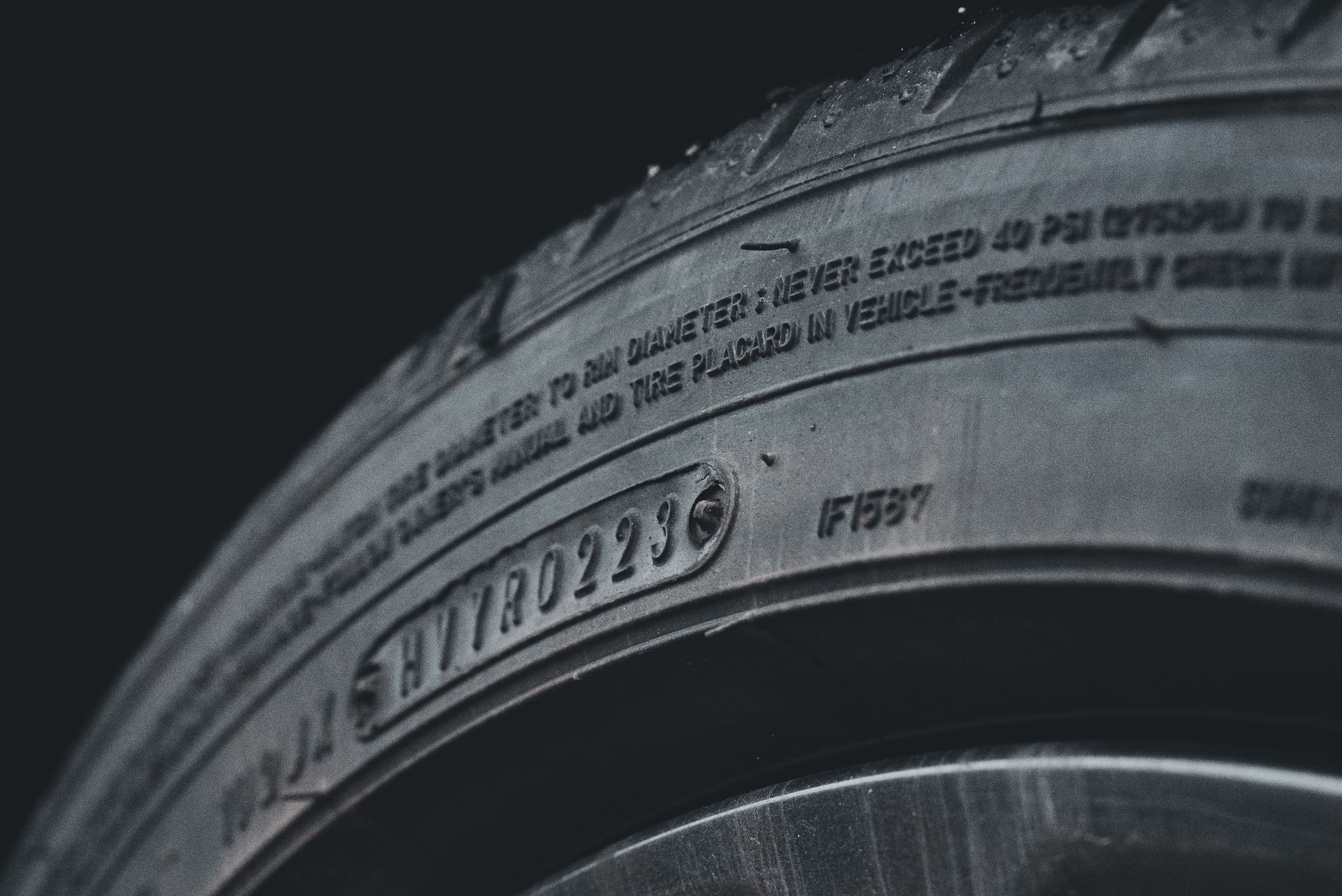
The sidewall is the rubber layer between the tread and the bead, protecting the tire's internal structure. It flexes constantly under load and is vulnerable to external impacts, cuts, and environmental factors. Common dumper tire damage causes include:
- Impact with sharp objects: Rocks, debris, and metal scraps on haul roads.
- Overloading: Exceeding load capacity increases sidewall stress.
- Underinflation/Overinflation: Incorrect pressure leads to excessive flexing or stiffness.
- Poor haul road conditions: Uneven surfaces, potholes, and spillage.
- Chemical exposure: Oil, diesel, and harsh cleaners degrade rubber.
- UV and weathering: Long-term sun exposure causes cracking and aging.
Recognizing these causes is the first step in dumper tire sidewall damage prevention.
Key Specifications and Technical Details
When selecting dumper tires, understanding specifications is crucial for sidewall durability. Here's what to consider:
Tire Construction: Radial vs. Bias
- Radial tires: Offer better fuel efficiency, longer tread life, and cooler running, but sidewalls are generally more flexible and susceptible to impact damage.
- Bias tires: Have stiffer sidewalls, providing greater resistance to cuts and impacts, making them ideal for harsh environments.
Load Index and Speed Rating
Always match the tire's load index to your dumper's maximum gross vehicle weight. Overloading is a leading cause of sidewall failure. Speed ratings indicate the maximum safe speed; exceeding it generates heat that weakens the sidewall.
Tread Depth and Pattern
While tread depth primarily affects traction, it also influences sidewall protection. Deep tread patterns, like those in agricultural tires such as the SH121/R-2, provide good self-cleaning and traction, reducing the chance of sharp objects lodging near the sidewall.
Rubber Compound
Advanced compounds resist cutting, chipping, and aging. For example, tires with excellent resistance to weathering and aging, like the SH101/CR-1, are beneficial in environments with high UV exposure.
Sidewall Construction
Reinforced sidewalls with additional plies or unique profiles (e.g., curved or ribbed) enhance protection against impacts. Some OTR tires feature sidewall protectors or ribs that deflect debris.
Application Scenarios and Best Use Cases
Dumper tires are used across diverse industries, each with unique sidewall challenges:
Construction and Mining
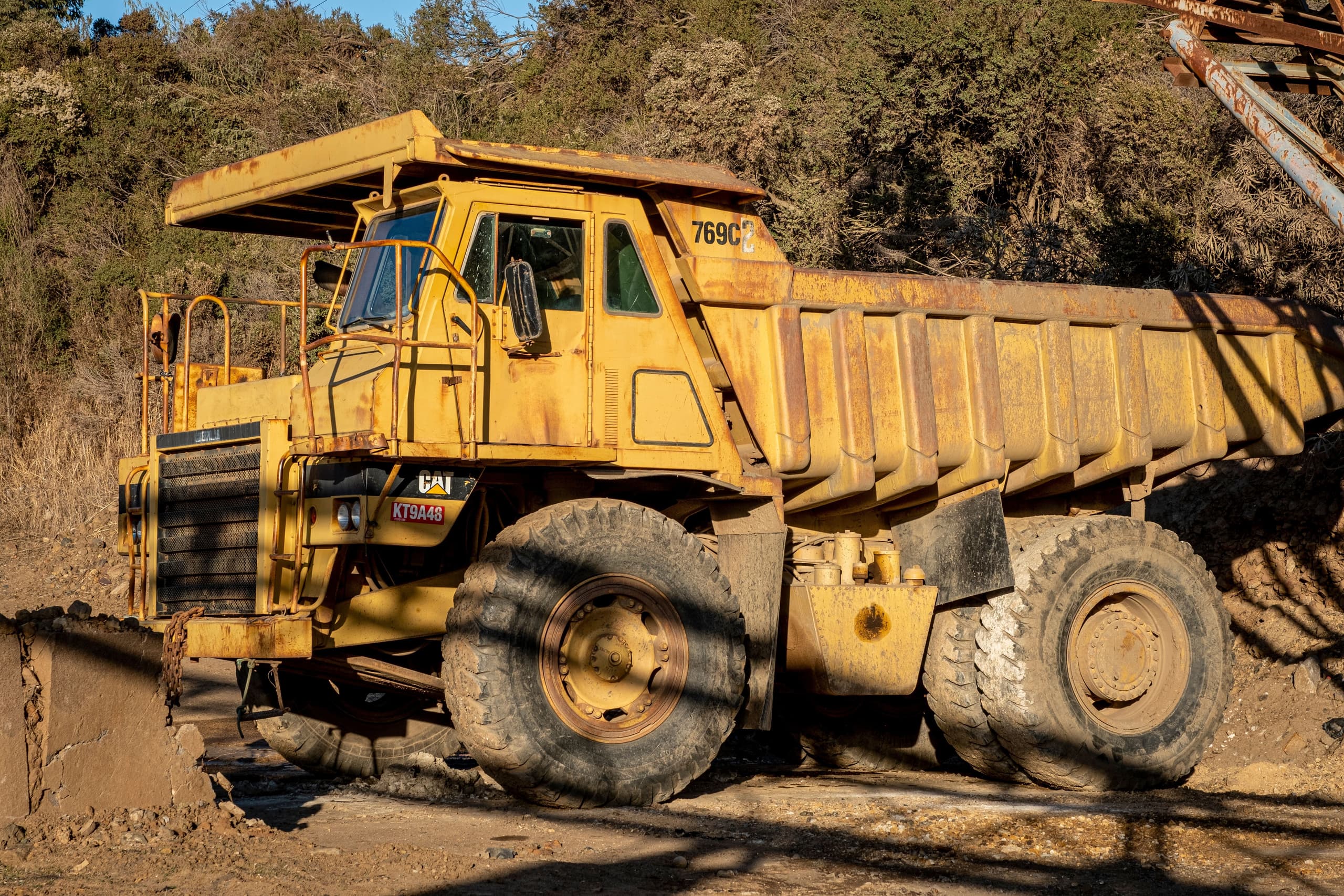
Articulated dump trucks navigate rough, debris-laden haul roads. Sidewall cuts from sharp rocks are common. Tires with cut-resistant compounds and reinforced sidewalls are essential.
Agriculture
Agricultural dumpers (e.g., grain carts) often operate in fields with stubble and uneven ground. Tires like the SH111/R-1, designed for tractor drive wheels, offer good traction and wear resistance, but sidewall protection from stubble damage is critical.
Waste Management
Landfill operations expose tires to sharp objects, chemicals, and uneven surfaces. Bias-ply tires with thick sidewalls are often preferred.
Port and Material Handling
In ports, dumper tires face concrete surfaces and potential impacts from containers. Radial tires with sidewall protectors can mitigate damage.
Performance Characteristics and Benefits
Investing in tires with sidewall protection features yields significant benefits:
- Extended tire life: Preventing sidewall damage can increase tire life by up to 30%.
- Reduced downtime: Fewer failures mean more operational hours.
- Cost savings: Lower replacement costs and reduced labor for tire changes.
- Enhanced safety: Sidewall failures can cause blowouts and accidents; prevention improves workplace safety.
- Improved fuel efficiency: Properly inflated, undamaged tires reduce rolling resistance.
Selection Criteria: Choosing the Right Dumper Tires for Sidewall Protection
When selecting dumper tires, consider these factors to maximize sidewall durability:
| Factor | Recommendation |
|---|---|
| Construction | Bias for harsh conditions; radial for fuel efficiency and comfort. |
| Sidewall design | Look for reinforced sidewalls, ribs, or protectors. |
| Rubber compound | Cut-resistant and aging-resistant compounds (e.g., SH121/R-2, SH101/CR-1). |
| Load capacity | Match or exceed the dumper's maximum load. |
| Tread pattern | Deep, self-cleaning patterns reduce debris retention. |
| Brand reputation | Choose reputable manufacturers like Vannova for quality assurance. |
Comparison of Vannova Agricultural Tires for Dumper Applications
While agricultural tires are not typically used on heavy dumpers, they share sidewall protection technologies. Here's a comparison:
| Model | Key Features | Best Use Case |
|---|---|---|
| SH121/R-2 | Deep tread, good traction and self-cleaning, excellent weathering resistance. | Paddy-to-dry conversion, irrigation farming. |
| SH101/CR-1 | Converted from R-1 wet paddy pattern, deep tread, excellent weathering resistance. | Paddy field conditions. |
| SH111/R-1 | Good traction, wear resistance, self-cleaning; suitable for on-land and short transport. | Tractor drive wheels. |
These tires exemplify how tread and compound design contribute to sidewall protection by minimizing debris impact and environmental degradation.
Maintenance and Longevity Tips
Proper maintenance is the cornerstone of dumper tire sidewall damage prevention. Follow these dumper tire protection tips:
1. Regular Inspection
Conduct daily walk-around inspections to check for cuts, bulges, or embedded objects. Use a depth gauge to measure tread wear and look for sidewall cracking.
2. Maintain Correct Inflation Pressure
Check pressure weekly (or daily in severe conditions) when tires are cold. Underinflation causes excessive sidewall flexing and heat buildup; overinflation makes tires brittle and prone to impact damage.
3. Avoid Overloading
Adhere to the tire's load index and distribute loads evenly. Overloading is a primary cause of sidewall failure.
4. Clean Haul Roads
Keep haul roads free of debris, sharp rocks, and spillage. Regular grading and sweeping reduce impact hazards.
5. Implement a Tire Management System
Track tire performance, rotate tires (if applicable), and schedule retreading or replacement proactively. Use TPMS (Tire Pressure Monitoring Systems) for real-time alerts.
6. Train Operators
Educate drivers on avoiding curbs, potholes, and sharp turns that stress sidewalls. Smooth operating practices extend tire life.
7. Use Sidewall Protectors
Consider aftermarket sidewall protectors or tires with built-in ribs for high-risk applications.
8. Store Tires Properly
Store spare tires in a cool, dry place away from sunlight and chemicals to prevent aging.
9. Address Minor Damage Promptly
For dumper tire sidewall repair, consult a professional for minor cuts. However, sidewall damage is often unsafe to repair; replacement is usually recommended for deep cuts or exposed cords.
Conclusion
Dumper tire sidewall damage prevention is a multifaceted strategy combining proper tire selection, diligent maintenance, and operator awareness. By understanding the causes, choosing tires with robust sidewall construction, and implementing regular care routines, you can significantly reduce downtime and costs. Remember, while minor sidewall damage might be repairable, severe damage compromises safety and performance. Always prioritize prevention over repair. With the right approach and high-quality tires from trusted manufacturers like Vannova, your dumper fleet can operate efficiently and safely in the toughest environments.
For more information on Vannova's OTR and agricultural tire solutions, contact our experts today.