
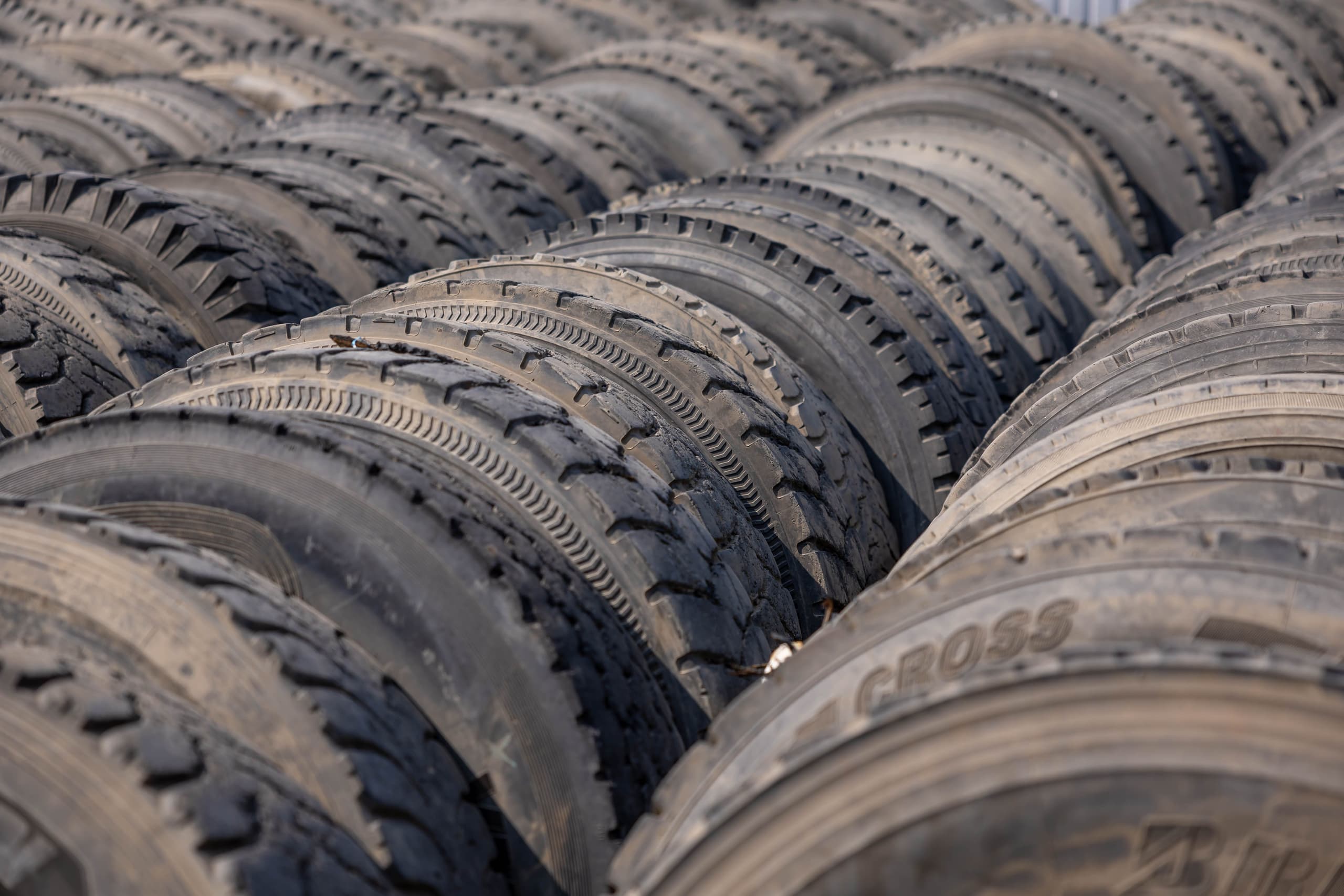
The High Cost of Tire Shortages in Surface Mining
In surface mining, tires are a critical asset—and a major operational risk. A single haul truck tire failure can halt production for hours, and if the replacement isn't readily available, the downtime can stretch into days. The problem is widespread: many mines operate with reactive tire management, leading to unplanned outages, inflated costs, and safety hazards. This article tackles the challenge of surface mining tire spare inventory planning, offering a structured approach to ensure you have the right tires, in the right place, at the right time.
Why Tire Spares Are a Pain Point
Surface mining operations depend on heavy equipment like haul trucks, loaders, and graders, each requiring specialized OTR tires. These tires are expensive, have long lead times, and are subject to extreme wear. Without a solid spare inventory plan, mines face:
- Unplanned downtime: A flat tire on a 240-ton haul truck can cost thousands of dollars per hour in lost production.
- Expedited shipping costs: Emergency orders often incur premium freight charges.
- Reduced equipment availability: Cannibalizing tires from other machines creates a domino effect.
- Safety risks: Operators may push worn tires beyond safe limits.
The root causes are varied: inaccurate demand forecasting, lack of real-time tire tracking, budget constraints, and supply chain disruptions. The impact? A staggering blow to productivity and profitability.
Solution Overview: Best Practices for Mining Tire Inventory Management
Effective mining tire inventory management is not just about stockpiling tires; it's about strategic planning. Here are the core best practices:
- Data-Driven Forecasting: Use historical tire usage, machine hours, and site conditions to predict demand.
- ABC Analysis: Categorize tires by criticality and cost to prioritize inventory levels.
- Supplier Partnerships: Collaborate with manufacturers for lead time visibility and flexible ordering.
- Real-Time Tracking: Implement tire management software to monitor inventory and performance.
- Contingency Planning: Maintain safety stock for critical sizes and account for supply chain risks.
A well-crafted surface mine tire stock plan balances cost and risk, ensuring you're neither overstocked nor underprepared.
Key Components of a Spare Tire Strategy
An effective OTR tire spare strategy includes:
- Minimum/Maximum Levels: Set thresholds based on lead times and usage rates.
- Rotation and Age Control: Ensure spare tires are used before they degrade.
- Storage Best Practices: Protect tires from UV, ozone, and temperature extremes.
- Performance Monitoring: Track tire life and failure patterns to refine forecasts.
Step-by-Step Implementation Guide
Building a spare inventory plan from scratch? Follow these steps:
-
Assess Current Tire Usage and Performance
- Collect data on tire consumption per machine type, hours of operation, and failure reasons.
- Use tire pressure monitoring systems (TPMS) and inspections to gather real-time data.
-
Forecast Demand
- Apply statistical methods (e.g., moving average, regression) to predict future tire needs.
- Factor in seasonality, production targets, and site expansion plans.
-
Classify Tires by Criticality
- Use ABC analysis: 'A' items are high-cost, high-impact tires (e.g., haul truck tires); 'C' items are low-cost, commonly used tires.
- Set inventory policies accordingly: higher safety stock for 'A' items.
-
Determine Optimal Stock Levels
- Calculate safety stock using lead time variability and demand uncertainty.
- For critical tires, consider maintaining a minimum of 10-15% of annual usage as safety stock.
-
Select Suppliers and Negotiate Agreements
- Partner with reliable manufacturers like Vannova for consistent quality and lead times.
- Negotiate consignment stock or vendor-managed inventory for high-value tires.
-
Implement Inventory Management System
- Use specialized software to track tire location, condition, and usage.
- Integrate with maintenance systems to trigger reorders automatically.
-
Train Staff and Establish Procedures
- Train technicians on proper tire handling, storage, and inspection.
- Document processes for ordering, receiving, and disposing of tires.
-
Monitor and Continuously Improve
- Review key metrics (e.g., tire availability, downtime due to tire issues) monthly.
- Adjust stock levels based on performance data and changing conditions.
Real-World Examples
Case Study: Iron Ore Mine Reduces Downtime by 30%
A large iron ore mine in Australia struggled with frequent haul truck tire shortages. By implementing a data-driven inventory plan with Vannova's OTR tires, they achieved:
- Accurate forecasting: Using historical data, they predicted a 15% increase in tire demand due to fleet expansion.
- Supplier collaboration: Vannova provided lead time guarantees and consignment stock for critical sizes.
- Result: Unplanned downtime due to tire unavailability dropped by 30%, saving an estimated $500,000 annually.
Example: Gold Mine's Safety Stock Success
A gold mine in Nevada faced supply chain disruptions. They adopted a safety stock policy for their most critical tires, maintaining a 12% buffer. When a shipment was delayed by two weeks, operations continued without interruption. The cost of holding extra stock was offset by avoiding $200,000 in lost production.
Prevention and Long-Term Strategies
To sustain an effective spare inventory plan, focus on prevention and continuous improvement:
- Regular Audits: Conduct quarterly inventory audits to ensure accuracy and condition.
- Tire Maintenance Programs: Implement rigorous inspection and maintenance to extend tire life and reduce spare demand.
- Technology Integration: Leverage IoT sensors and analytics for predictive maintenance.
- Supplier Relationships: Build strategic partnerships with manufacturers for priority support.
- Scenario Planning: Develop contingency plans for supply chain disruptions, including alternative suppliers.
Technical Recommendations
- Storage: Store tires indoors or under cover, away from direct sunlight and ozone sources. Keep them clean and slightly inflated.
- Rotation: Use a first-in, first-out (FIFO) system to prevent aging.
- Monitoring: Use TPMS and regular inspections to catch issues early.
- Data: Maintain detailed records of tire serial numbers, hours, and conditions.
By following these strategies, surface mines can transform tire spare inventory from a reactive headache into a proactive advantage.
For more information on Vannova's OTR tires and inventory solutions, contact our experts.


