Why Earthmover Tire Retreading ROI Matters
In the heavy equipment industry, tires are among the most significant operating expenses. For fleet managers and owners of earthmoving machinery, the decision between buying new tires and retreading existing ones can dramatically impact the bottom line. Earthmover tire retreading ROI (Return on Investment) is a critical metric that quantifies the financial benefits of retreading compared to purchasing new tires. With rising rubber prices and increasing pressure to reduce environmental footprint, understanding the economics of retreading is more important than ever.
This article provides a comprehensive comparison of new earthmover tires versus retreaded tires, focusing on cost, performance, and application suitability. We'll explore the earthmover retread cost savings, delve into OTR tire retread economics, and highlight the earthmover tire retreading benefits to help you make data-driven decisions for your fleet.
Overview of Options: New Tires vs. Retreading
New Earthmover Tires
New OTR (Off-The-Road) tires are designed for maximum performance and reliability. They come with the latest tread designs and rubber compounds, offering optimal traction, durability, and load capacity. However, they represent a significant capital investment. A single new 27.00R49 tire for a mining haul truck can cost upwards of $40,000. For large fleets, tire costs can account for 20-30% of total operating expenses.
Retreaded Earthmover Tires
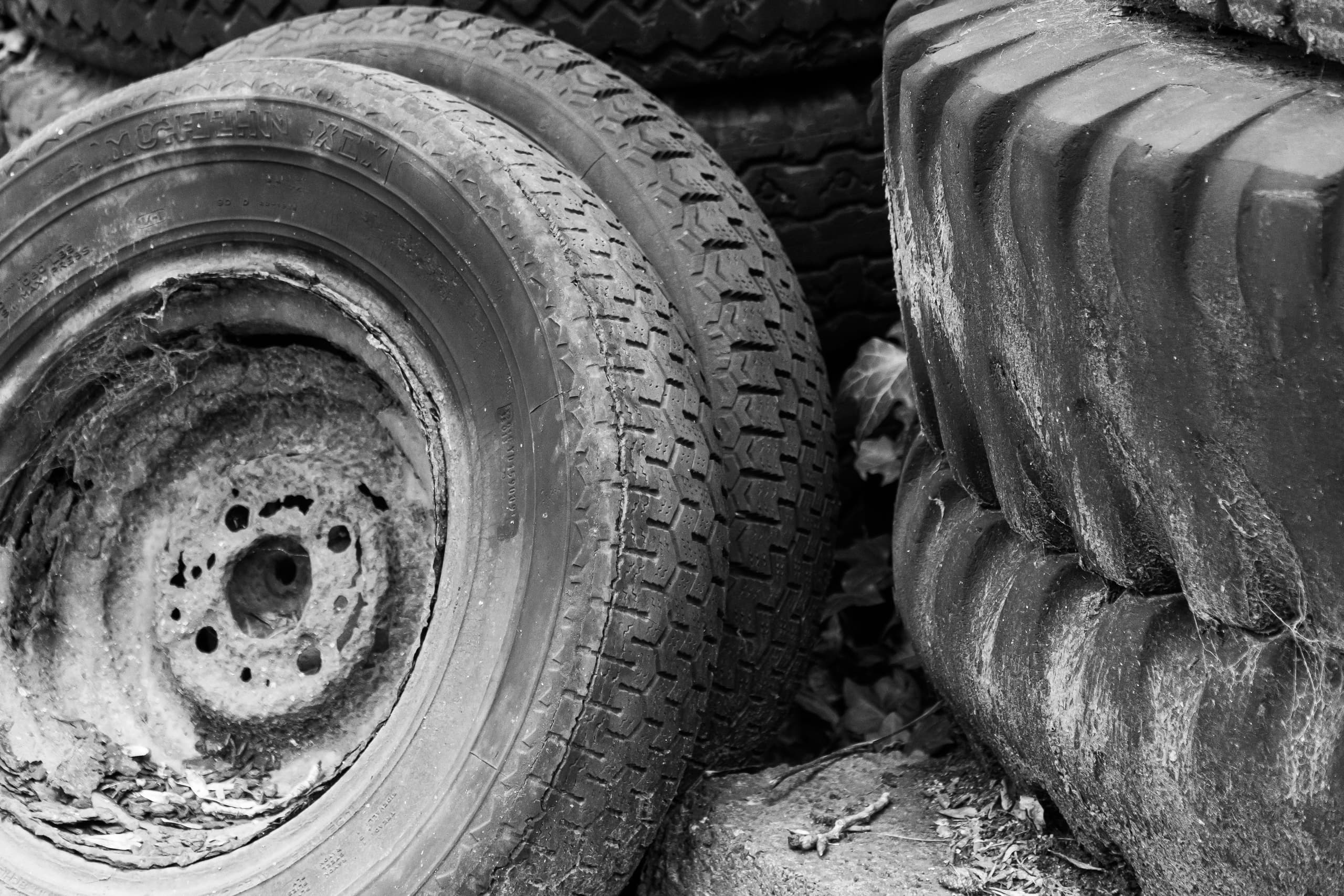
Retreading involves renewing the tread of a worn tire by removing the old tread and applying a new tread layer. This process extends the tire's life at a fraction of the cost of a new tire. Retreading is particularly common in OTR applications where tire casings are robust and can withstand multiple retreads. The cost of retreading is typically 30-50% of a new tire, offering substantial savings. However, not all tires are retreadable; casing integrity is crucial.
Head-to-Head Comparison: New vs. Retreaded Earthmover Tires
| Metric | New Tires | Retreaded Tires |
|---|---|---|
| Initial Cost | High (100%) | Low (30-50% of new) |
| Tread Life | Full life | 80-100% of new (depending on quality) |
| Performance | Optimal | Near-optimal if quality retread |
| Warranty | Full manufacturer warranty | Limited warranty (depends on retreader) |
| Environmental Impact | High (new rubber) | Low (saves 60-80% of rubber) |
| Suitability | All applications | Best for moderate to severe conditions |
Key Specifications and Considerations
- Casing Condition: Retreading requires a sound casing. Inspect for damage, age, and previous repairs.
- Application Severity: In extreme conditions (e.g., high-speed hauling, sharp rocks), new tires may be more reliable.
- Retread Quality: Choose reputable retreaders with proven processes (e.g., pre-cure or mold-cure) to ensure performance.
- Fleet Size: Larger fleets can benefit from volume discounts and dedicated retread programs.
Performance Differences in Various Applications
Surface Mining
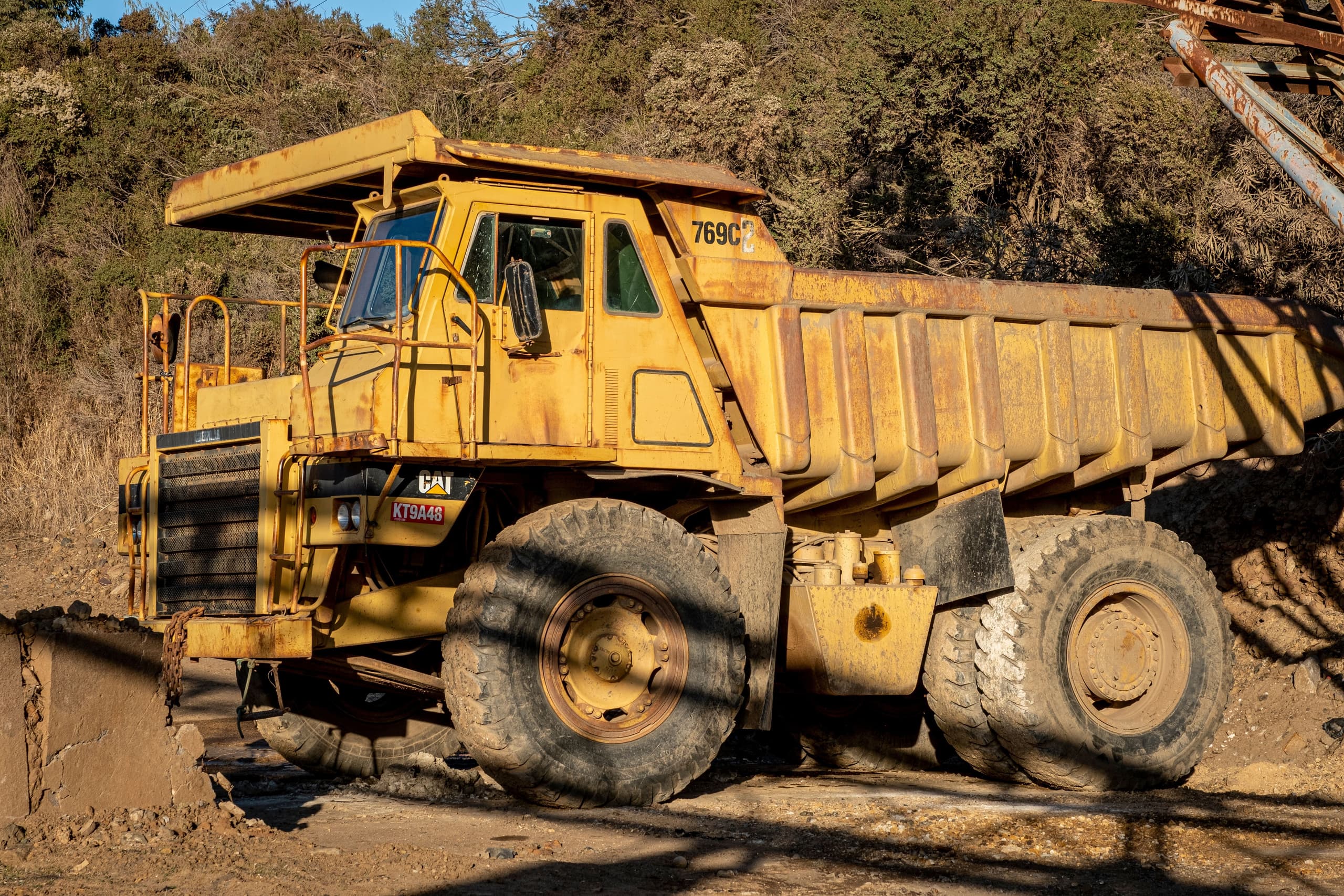
In surface mining, haul trucks operate in harsh conditions with heavy loads and long hauls. New tires are often preferred for their reliability and maximum tread life. However, retreaded tires can be effectively used on secondary haul roads or in less aggressive conditions. The OTR tire retread economics are compelling when casing life can be maximized, but the risk of downtime due to tread separation must be managed.
Construction and Quarry
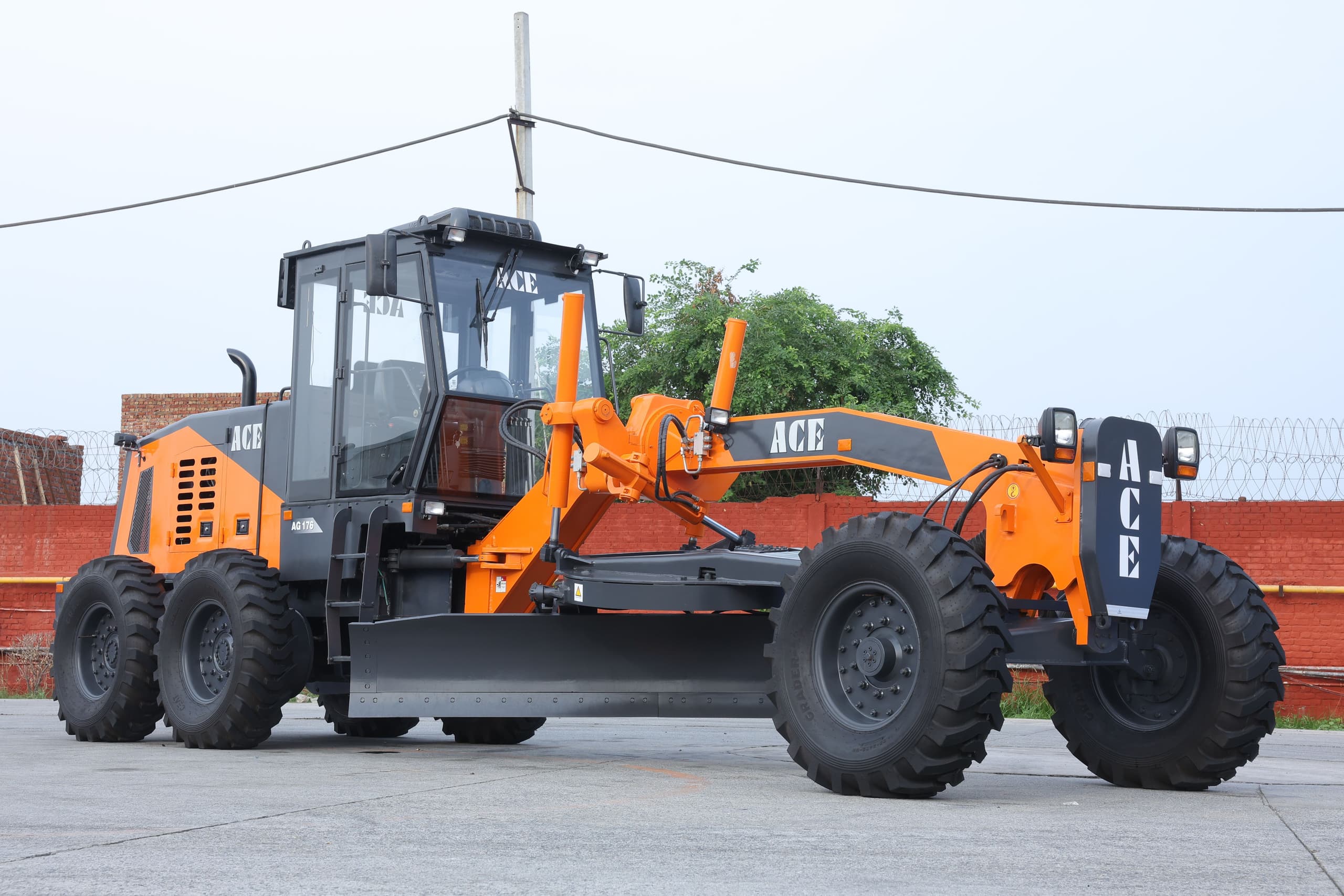
Loaders, bulldozers, and graders in construction and quarry sites face moderate to severe conditions. Retreaded tires perform well here, especially if the casing is in good condition. The earthmover tire retreading benefits include reduced cost per hour and less frequent replacements. For equipment like wheel loaders, retreading can be a cost-effective strategy.
Agricultural and Industrial
While this article focuses on earthmover tires, it's worth noting that retreading is also common in agricultural and industrial tires. For example, Vannova's agricultural tires like the SH121/R-2 and SH101/CR-1 are designed for durability and can be retreaded under proper conditions. However, the economics may differ due to lower initial tire costs.
Cost-Benefit Analysis: Earthmover Tire Retreading ROI
To calculate the earthmover tire retreading ROI, consider the following factors:
- Initial Cost Savings: Retreading costs 50-70% less than new tires.
- Extended Tire Life: A quality retread can provide 80-100% of the tread life of a new tire.
- Casing Utilization: Multiple retreads (2-3 times) can multiply savings.
- Downtime Costs: Retreading reduces downtime compared to ordering new tires.
- Environmental Benefits: Retreading saves 60-80% of rubber and reduces carbon footprint.
Example ROI Calculation
Assume a new 27.00R49 tire costs $40,000 and lasts 6,000 hours. A retread costs $15,000 and lasts 4,800 hours (80% of new).
- Cost per hour (new): $40,000 / 6,000 = $6.67
- Cost per hour (retread): $15,000 / 4,800 = $3.13
- Savings per hour: $3.54 (53% reduction)
Over the life of a casing (2 retreads), total savings can exceed $50,000 per tire.
Earthmover Retread Cost Savings Table
| Cost Factor | New Tire | Retreaded Tire | Savings |
|---|---|---|---|
| Initial Cost | $40,000 | $15,000 | $25,000 (62.5%) |
| Cost per Hour | $6.67 | $3.13 | $3.54 (53%) |
| Total Cost (2 retreads) | $120,000 | $70,000 | $50,000 (42%) |
Note: Costs are illustrative and vary by size, brand, and region.
Recommendations Based on Use Case
When to Choose New Tires
- High-Speed Hauling: For long hauls at high speeds, new tires offer better safety and reliability.
- Extreme Conditions: In applications with high risk of casing damage (e.g., sharp rocks, heavy impact), new tires may be more economical in the long run.
- Critical Operations: Where downtime is extremely costly, new tires reduce the risk of failure.
When to Choose Retreaded Tires
- Moderate Conditions: For construction, quarry, and loading operations where casings can be maintained.
- Cost-Sensitive Operations: When budget constraints are tight, retreading offers immediate savings.
- Sustainability Goals: To reduce environmental impact and meet corporate sustainability targets.
- Fleet with Good Casing Management: If you have a robust tire management program, retreading can maximize ROI.
Best Practices for Maximizing Retreading ROI
- Implement a Tire Management System: Track tire performance, rotations, and retread cycles.
- Choose Quality Retreaders: Work with certified retreaders who use advanced processes.
- Maintain Proper Inflation: Extend casing life with correct inflation pressure.
- Regular Inspections: Remove tires from service before casing damage occurs.
Frequently Asked Questions (FAQ)
1. What is the typical ROI of earthmover tire retreading?
The ROI of earthmover tire retreading can range from 50% to 100% or more, depending on factors like tire size, application, and casing management. On average, retreading costs 30-50% of a new tire and provides 80-100% of the tread life, leading to significant cost savings.
2. Are retreaded earthmover tires as reliable as new tires?
Yes, when properly retreaded and used in appropriate applications, retreaded tires can be as reliable as new tires. However, they may not be suitable for extreme conditions or high-speed applications. Quality of the retread process and casing condition are critical.
3. How many times can an earthmover tire be retreaded?
Most earthmover tire casings can be retreaded 2-3 times, depending on the casing integrity and application. Proper maintenance and inspection are essential to maximize the number of retreads.
4. What are the environmental benefits of retreading earthmover tires?
Retreading saves 60-80% of the rubber required for a new tire, reducing oil consumption and CO2 emissions. It also diverts tires from landfills, contributing to a circular economy.
Conclusion
The earthmover tire retreading ROI is compelling for many operations, offering substantial earthmover retread cost savings and environmental benefits. By carefully evaluating your application, casing management practices, and working with reputable retreaders, you can unlock significant value. For fleet managers looking to optimize costs without compromising performance, retreading is a strategic choice worth serious consideration.
For more information on Vannova's earthmover tires and retreading solutions, contact our experts today.