
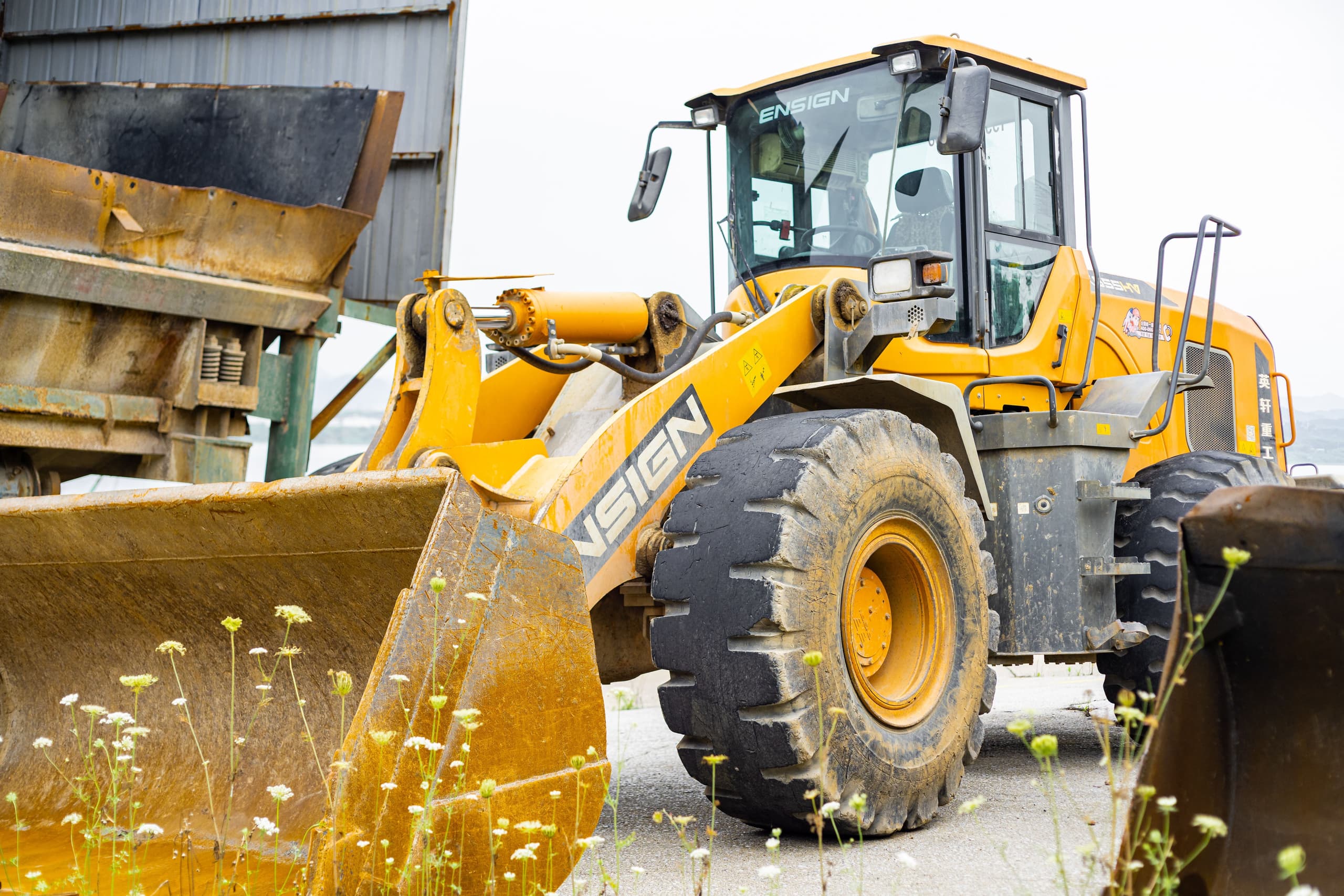
The Challenge: Frequent Tire Failures in Quarry Loader Operations
In quarry and mining environments, wheel loaders face relentless abuse. Sharp rocks, abrasive materials, and harsh terrain cause frequent cuts, gouges, and sidewall damage to tires. For operators relying on L3 loader tires, these failures lead to unplanned downtime, soaring maintenance costs, and reduced productivity. The problem is particularly acute in loaders that operate on jagged rock piles, overburden, and shot rock, where impact and cutting hazards are constant.
Traditional bias-ply tires often succumb to these conditions, but even radial tires can fail if not specifically engineered for cut resistance. This article explores the root causes of L3 loader tire cut damage, presents proven solutions to enhance L3 loader tire durability, and provides a step-by-step guide to implement best practices. We also share real-world case studies and long-term strategies to protect your fleet.
Why L3 Loader Tires Suffer Cut Damage
Understanding the L3 Tire Designation
L3 tires are a category of OTR (Off-The-Road) tires designed for loaders and dozers in general-purpose applications. They feature a deep, aggressive tread pattern with a cut-resistant compound, making them suitable for moderate to severe service. However, not all L3 tires are created equal: cut resistance varies significantly based on tread design, rubber compound, and construction.
Primary Causes of Tire Cuts
- Sharp Rock Penetration: Loading shot rock or working on abrasive surfaces exposes tires to sharp edges that can slice through tread and sidewalls.
- Improper Inflation Pressure: Underinflation increases sidewall flex, leading to heat buildup and increased susceptibility to cuts. Overinflation reduces the tire's ability to envelop obstacles, concentrating stress.
- Operator Behavior: Aggressive driving, spinning tires, and hitting obstacles at speed amplify impact forces and cut risk.
- Tire Selection Errors: Using tires not optimized for cut resistance (e.g., standard L3 instead of L3 with cut-resistant compound) in high-severity applications.
- Maintenance Neglect: Failing to inspect and remove embedded objects promptly can lead to worsening damage.
The Impact of Cut Damage
- Downtime: Each tire failure can halt operations for hours, costing thousands in lost production.
- Cost: Frequent tire replacements and repairs strain budgets; a single 35/65R33 L3 tire can cost over $10,000.
- Safety: Damaged tires can burst, posing risks to operators and nearby personnel.
- Efficiency: Underperforming tires reduce traction and increase fuel consumption.
Solutions for Enhancing L3 Loader Tire Cut Resistance
1. Choose the Right Tire for the Application
Select L3 tires specifically engineered for high cut resistance. Look for features such as:
- Deep, interlocking tread patterns that resist cuts and promote self-cleaning.
- Cut-resistant rubber compounds with high natural rubber content and reinforcing fillers.
- Reinforced sidewalls to protect against side impacts.
- Radial construction for better footprint and heat dissipation (though bias-ply may be preferred in extreme cut conditions).
For example, Vannova's L3 loader tires incorporate advanced compounds and tread designs that deliver superior L3 tire quarry performance. While our agricultural tire lines (SH121/R-2, SH101/CR-1, SH111/R-1) are not designed for OTR use, they share similar cut-resistant technologies that we adapt for industrial applications.
2. Optimize Inflation Pressure
Maintain manufacturer-recommended inflation pressures. Use a digital gauge and check weekly. Consider TPMS (Tire Pressure Monitoring Systems) for real-time monitoring. Proper inflation reduces sidewall flex and heat, enhancing cut resistance.
3. Implement Operator Training
Train operators to:
- Avoid spinning tires on sharp rocks.
- Reduce speed on rough terrain.
- Use smooth turning techniques to prevent sidewall scuffing.
- Perform daily walk-around inspections.
4. Adopt a Maintenance Program
- Daily: Inspect tires for cuts, embedded objects, and pressure.
- Weekly: Deep clean and check for irregular wear.
- Monthly: Professional inspection and rotation if applicable.
- Immediately: Remove any embedded rocks to prevent further damage.
5. Use Tire Protection Chains (When Appropriate)
In extreme cut conditions, tire chains can provide an extra layer of protection. However, they may not be suitable for all surfaces and can reduce traction on hard ground. Evaluate carefully.
Step-by-Step Implementation Guide
Follow this 6-step process to boost L3 loader tire durability and cut resistance:
- Assess Your Operating Conditions: Identify the types of materials, surfaces, and severity of cut hazards. Use a simple rating scale (low, medium, high) for impact and abrasion.
- Select the Optimal Tire: Consult with a tire specialist to choose an L3 tire with the right compound and tread for your site. Consider radial vs. bias based on heat and speed.
- Set and Maintain Correct Inflation: Establish a weekly pressure check routine and train staff. Use TPMS if budget allows.
- Train Operators: Conduct a workshop on tire care, focusing on driving habits that reduce cut risk.
- Implement Inspection and Maintenance Protocols: Create a checklist and schedule. Document findings to track trends.
- Monitor and Adjust: Track tire performance (hours to failure, cut frequency) and adjust your strategy accordingly. Use data to refine tire selection and maintenance intervals.
Real-World Case Studies
Case Study 1: Granite Quarry in Georgia, USA
A granite quarry operating 980K wheel loaders faced frequent sidewall cuts on L3 tires, averaging 3 failures per month. After switching to a premium L3 tire with a cut-resistant compound and implementing a pressure monitoring program, they reduced failures to 0.5 per month, saving approximately $150,000 annually. Key changes:
- Tire model: Vannova L3 with reinforced sidewall.
- Inflation pressure maintained at 65 psi (manufacturer spec).
- Operator training on avoidance of sharp rock piles.
Case Study 2: Limestone Operation in Brazil
A limestone quarry used L3 tires on Cat 966 loaders. Tires lasted only 2,000 hours due to cuts. By adopting a comprehensive maintenance program including daily inspections and embedded rock removal, they extended tire life to 3,500 hours, a 75% improvement. They also switched to a bias-ply L3 tire for better cut resistance in extreme conditions.
Case Study 3: Aggregate Producer in Norway
Facing cuts from blasted rock, this producer implemented tire chains on loaders during winter months. Combined with L3 tires featuring deep tread, they eliminated cut-related downtime during the critical season. However, they noted that chains required careful tensioning and reduced speed on haul roads.
These examples demonstrate that a combination of proper tire selection, maintenance, and operator training yields significant improvements in L3 loader tire durability.
Prevention and Long-Term Strategies
To sustain cut resistance over the long term, adopt these strategies:
- Lifecycle Cost Analysis: Evaluate tires based on cost per hour, not just purchase price. Premium cut-resistant tires often deliver lower overall cost.
- Vendor Partnerships: Work with manufacturers like Vannova to get custom recommendations and technical support.
- Continuous Improvement: Regularly review incident reports and adjust practices. Consider new tire technologies as they emerge.
- Spare Tire Management: Keep a stock of properly stored spares to minimize downtime when failures occur.
- Site Condition Management: Improve haul roads and loading areas to reduce sharp edges and debris. Regular sweeping and maintenance can significantly reduce cut hazards.
By implementing these measures, you can transform tire management from a reactive cost center to a proactive productivity driver.
Frequently Asked Questions (FAQ)
What is an L3 loader tire?
An L3 loader tire is an OTR tire designed for loaders and dozers in general-purpose applications. It features a deep tread pattern and cut-resistant compound, providing a balance of traction and durability for moderate to severe service.
How can I improve L3 loader tire cut resistance?
Improve cut resistance by selecting tires with cut-resistant compounds and reinforced sidewalls, maintaining correct inflation pressure, training operators to avoid sharp obstacles, and implementing regular inspection and maintenance programs.
What are the signs of cut damage on loader tires?
Signs include visible cuts or gouges in the tread or sidewall, embedded rocks or debris, bulges, and slow leaks. Regular inspections are crucial to catch damage early.
Are radial or bias L3 tires better for cut resistance?
Bias-ply L3 tires often offer superior cut resistance due to their stiffer sidewalls and robust construction, making them ideal for high-impact, high-cut environments. Radial tires provide better heat dissipation and traction but may be more susceptible to sidewall cuts in extreme conditions. The choice depends on specific site conditions.
By understanding the causes of cut damage and implementing these solutions, quarry operators can significantly enhance L3 loader tire durability, reduce downtime, and achieve better L3 tire quarry performance.


