Introduction
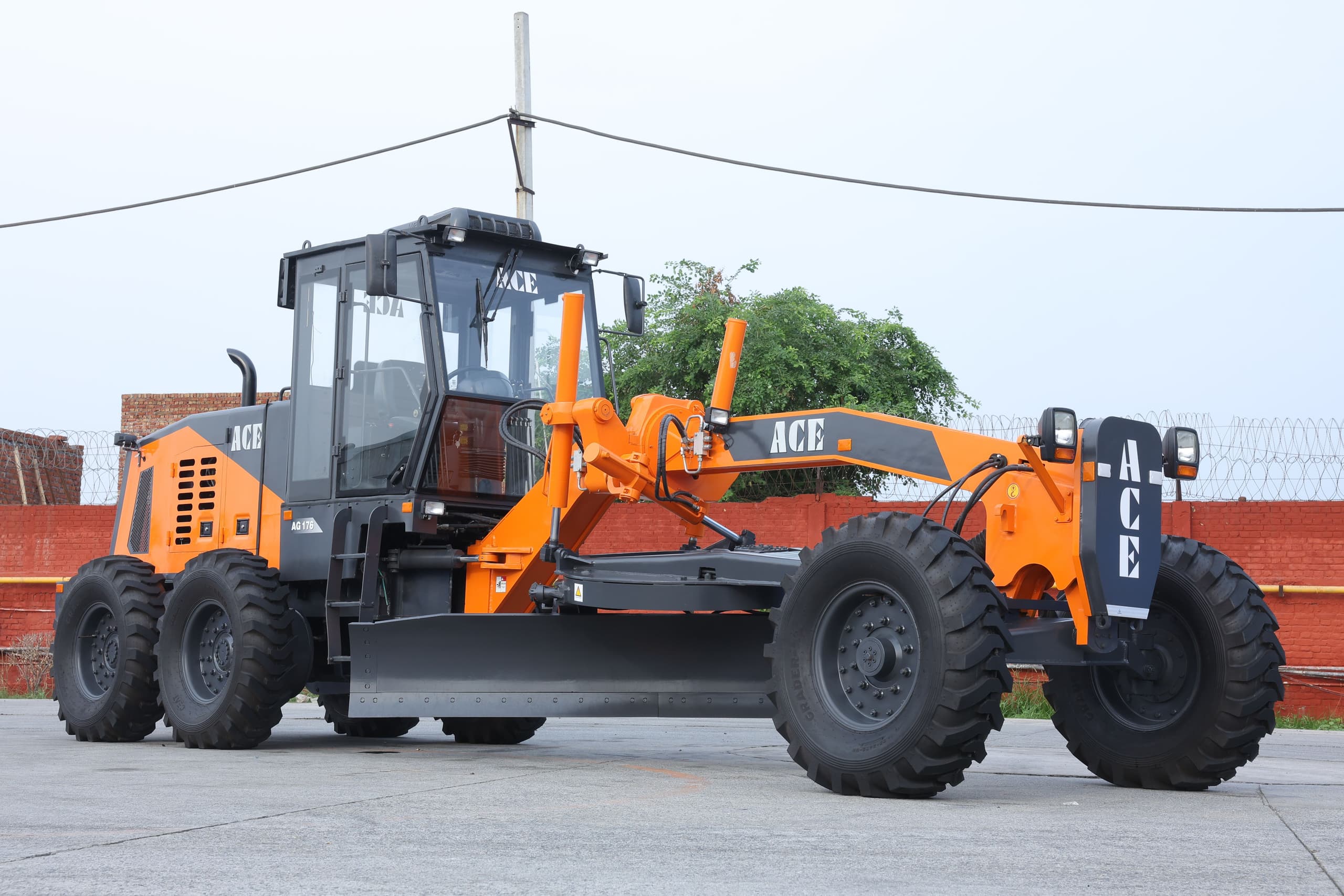
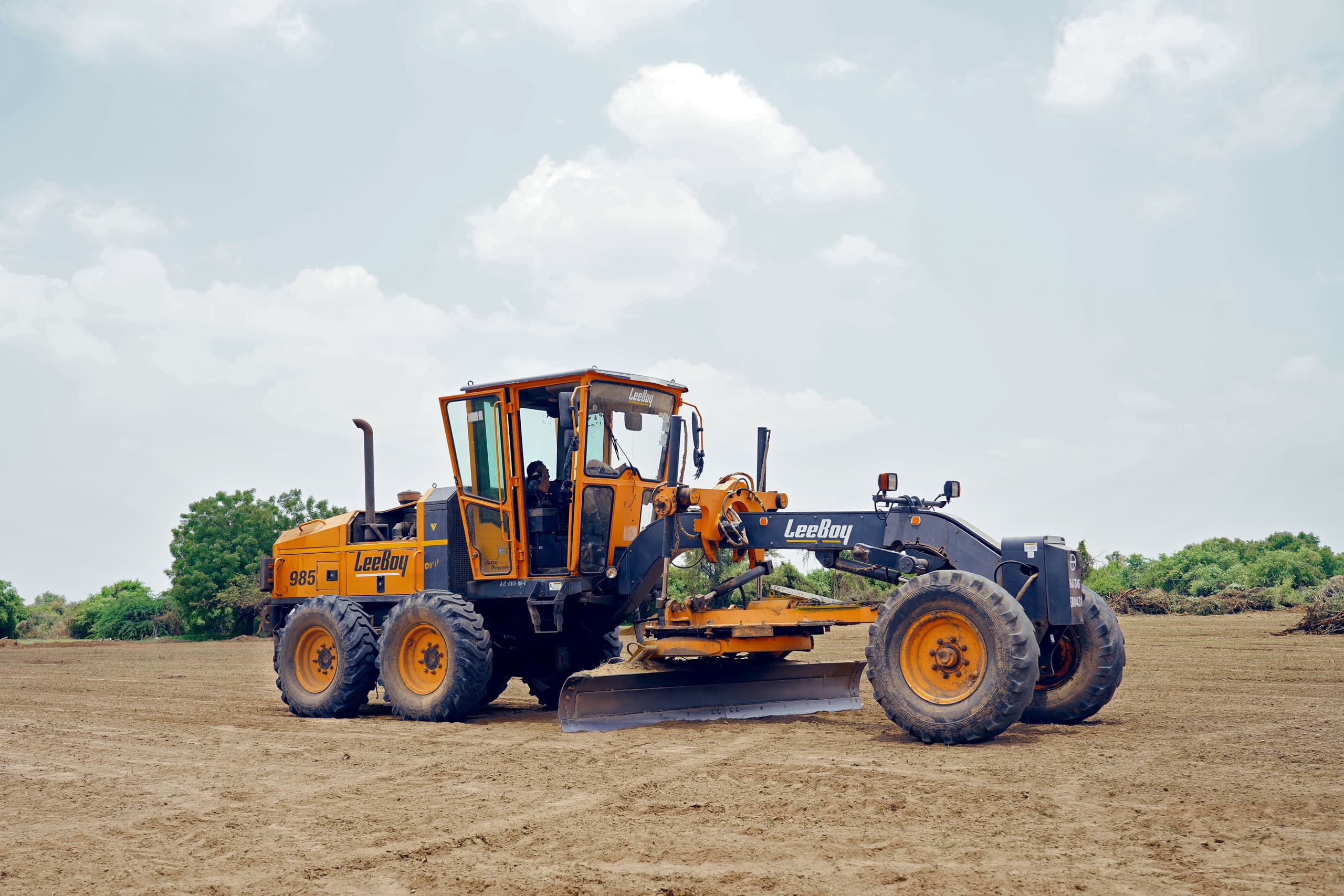
Motor graders are the workhorses of road maintenance, but their tires often fall victim to the harsh conditions of gravel roads. Premature motor grader tire wear on gravel roads is a common and costly problem that fleet managers and operators face. The abrasive nature of gravel, combined with heavy loads and constant steering, accelerates tire degradation, leading to frequent replacements, increased downtime, and higher operational costs.
In this article, we'll explore the causes of accelerated tire wear, provide practical solutions, and offer a step-by-step guide to maximize motor grader tire life. Whether you're managing a municipal fleet or a construction company, these insights will help you keep your graders running efficiently.
Understanding the Problem: Why Gravel Roads Eat Tires
Abrasive Surface
Gravel roads are composed of crushed stone, sand, and dirt. These materials act like sandpaper against tire rubber, causing rapid tread wear. The constant scrubbing action, especially during grading and turning, exacerbates the problem.
Heavy Loads and Improper Inflation
Motor graders are heavy machines, and when equipped with attachments like scarifiers or snowplows, the load on tires increases. Improper inflation pressure—either too high or too low—can lead to uneven wear, reduced traction, and increased susceptibility to punctures.
Steering and Maneuvering
Graders often operate at low speeds with frequent steering adjustments. This scrubbing motion on abrasive surfaces quickly wears down tread, particularly on the front tires, which bear the brunt of steering forces.
Tire Selection and Maintenance
Using tires not designed for gravel road conditions can accelerate wear. Additionally, neglect of regular maintenance practices such as rotation, alignment, and pressure checks can shorten tire life significantly.
Impact of Tire Wear
- Increased costs: Frequent tire replacements strain budgets.
- Downtime: Tire failures lead to unplanned maintenance stops.
- Reduced performance: Worn tires compromise traction and grading quality.
- Safety risks: Bald tires increase the risk of accidents.
Solution Overview: Best Practices for Extending Tire Life
Addressing tire wear requires a multi-faceted approach that combines proper tire selection, maintenance, and operational adjustments.
Choose the Right Tires
Select tires specifically designed for grader applications on abrasive surfaces. Look for features such as:
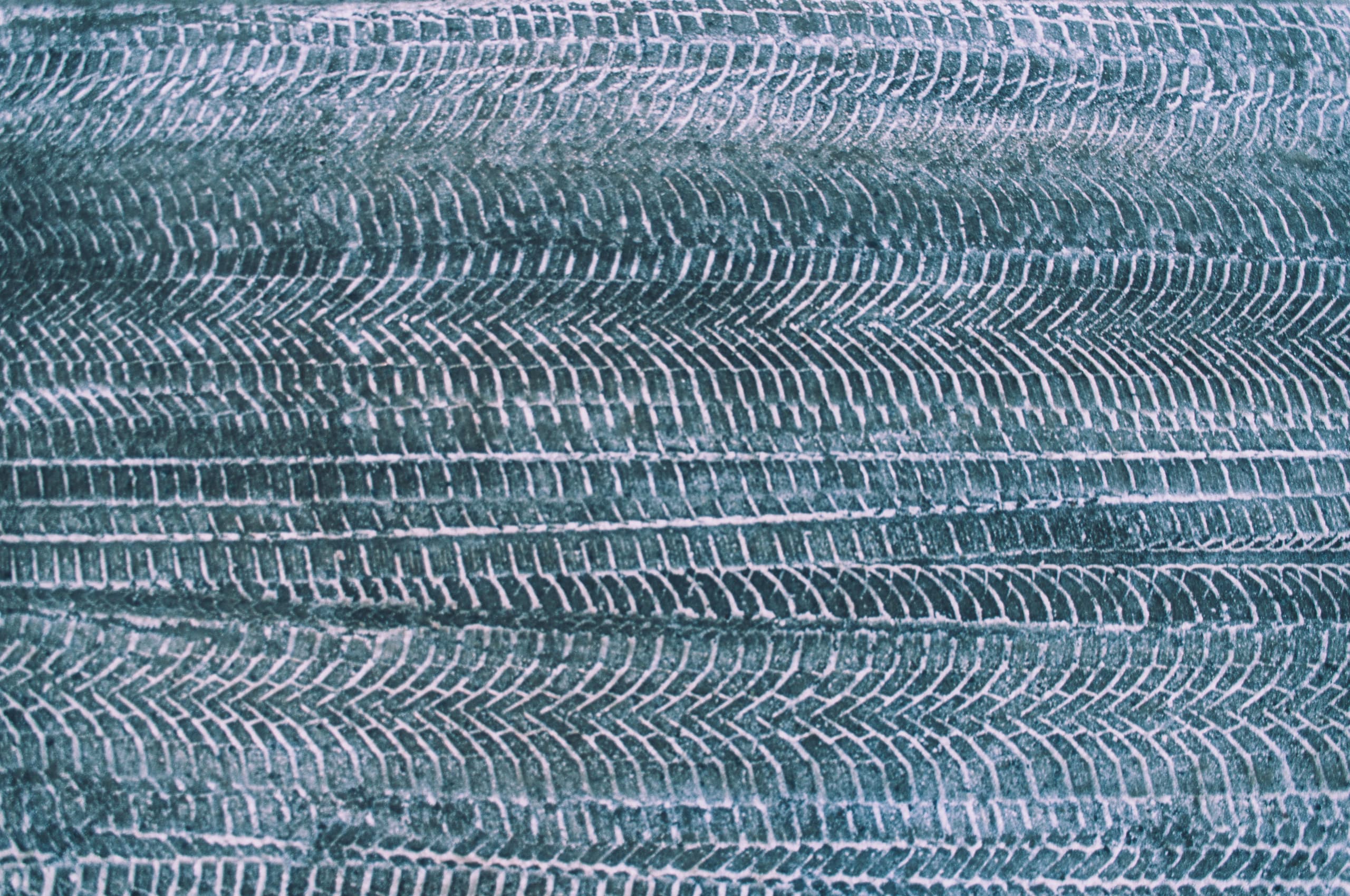
- Deep tread patterns for longer wear life.
- Cut- and chip-resistant compounds to withstand sharp gravel.
- Reinforced sidewalls for durability.
- Appropriate load ratings for your machine's weight and attachments.
While Vannova's agricultural tire lines (e.g., SH121/R-2, SH101/CR-1, SH111/R-1) are not designed for graders, they exemplify the importance of matching tread design to application—deep, self-cleaning patterns for harsh conditions. For grader tires, consult with a specialist to select OTR tires engineered for road maintenance.
Maintain Proper Inflation Pressure
Check tire pressure daily and adjust according to load and surface conditions. Under-inflation causes excessive flexing and heat buildup, while over-inflation reduces traction and makes tires more vulnerable to impact damage.
Implement a Rotation and Alignment Schedule
Regular rotation helps distribute wear evenly. Ensure proper wheel alignment to prevent uneven tread wear and steering pull.
Adjust Operating Practices
- Reduce speed on sharp turns to minimize scrubbing.
- Avoid overloading the grader.
- Use gradual acceleration and braking.
- Keep the blade sharp and properly adjusted to reduce drag.
Step-by-Step Implementation Guide
Step 1: Assess Your Current Tire Performance
- Conduct a tread depth survey across your fleet.
- Identify wear patterns (e.g., center wear, edge wear, cupping) to diagnose underlying issues.
- Record hours of operation and replacement frequency.
Step 2: Select the Optimal Tire for Your Application
- Consult with a tire specialist to choose a model with a deep, durable tread and cut-resistant compound.
- Consider radial vs. bias construction: radials offer better fuel efficiency and longer tread life, while bias tires are more robust for severe conditions.
- Ensure the load index and speed rating meet your operational needs.
Step 3: Establish a Maintenance Routine
- Daily: Check pressure, inspect for cuts and embedded objects.
- Weekly: Check tread depth and wear patterns; rotate tires if necessary.
- Monthly: Inspect alignment, suspension components, and brake adjustments.
Step 4: Train Operators
- Educate operators on the impact of driving habits on tire wear.
- Emphasize smooth steering, gradual braking, and avoiding sharp turns at speed.
Step 5: Monitor and Adjust
- Keep detailed records of tire performance.
- Use wear pattern analysis to fine-tune inflation pressures and alignment.
- Replace tires when tread depth reaches the minimum safe limit (typically 3-5 mm for grader tires).
Case Studies: Real-World Success
Case Study 1: Municipal Fleet Reduces Tire Costs by 30%
A city public works department was replacing grader tires every 1,200 hours. After implementing a tire management program that included daily pressure checks, proper inflation, and operator training, they extended tire life to 1,800 hours—a 30% reduction in tire costs.
Case Study 2: Construction Company Improves Uptime
A construction firm operating graders on gravel access roads experienced frequent tire failures due to punctures. By switching to tires with reinforced sidewalls and cut-resistant compounds, and by reducing speed on sharp turns, they cut downtime by 40%.
Prevention and Long-Term Strategies
Invest in Tire Management Technology
Use TPMS (Tire Pressure Monitoring Systems) to track pressure in real-time and alert operators to issues before they cause damage.
Develop a Tire Budget and Replacement Plan
Forecast tire needs based on hours of operation and wear rates. Budget for replacements proactively to avoid emergency purchases.
Partner with a Reliable Tire Supplier
Work with a supplier who understands grader applications and can provide technical support, training, and the right tire solutions. Vannova offers a range of OTR and industrial tires designed for demanding conditions—consult our experts to find the best fit for your grader fleet.
Regular Training and Feedback
Continuously reinforce best practices and gather operator feedback to identify emerging issues.
Conclusion
Motor grader tire wear on gravel roads is a challenge, but with the right strategies, you can significantly extend tire life and reduce costs. By understanding the causes, selecting appropriate tires, maintaining proper inflation, and training operators, you can keep your graders productive and your budget in check. Remember, proactive maintenance and informed tire selection are key to long-term success.
For personalized advice on tire selection for your grader fleet, contact Vannova's tire specialists today.