SH117/R-1S Tire Maintenance Guide for Tractors
Proper maintenance of your agricultural tires is critical to maximizing performance, extending service life, and minimizing downtime. For tractors equipped with Vannova SH117/R-1S agricultural radial tires, a consistent maintenance routine ensures optimal traction, fuel efficiency, and safety—especially on tractor drive wheels in dry field conditions. This guide provides a comprehensive maintenance protocol for the SH117/R-1S, including daily inspections, step-by-step procedures, troubleshooting, and cost-saving strategies.
Why Maintenance Matters for the SH117/R-1S
The SH117/R-1S is engineered with a deeper tread pattern for improved traction and longer wear life, and it offers excellent resistance to weathering and aging. These features are particularly valuable for MFWD and 2WD tractors used in on-land tillage and short-distance transport, as well as in dry field conditions common in regions like Brazil's Mato Grosso and Argentina's Pampas. However, even the most durable tire requires regular care to deliver its full potential. Neglecting maintenance can lead to accelerated wear, reduced traction, and premature replacement—costing you time and money.
Daily Inspection Checklist
A quick daily inspection can catch issues before they become costly problems. Follow this checklist before each operation:
- Visual Inspection: Walk around the tractor and check each tire for cuts, punctures, embedded objects, or signs of uneven wear. Pay special attention to the tread and sidewalls.
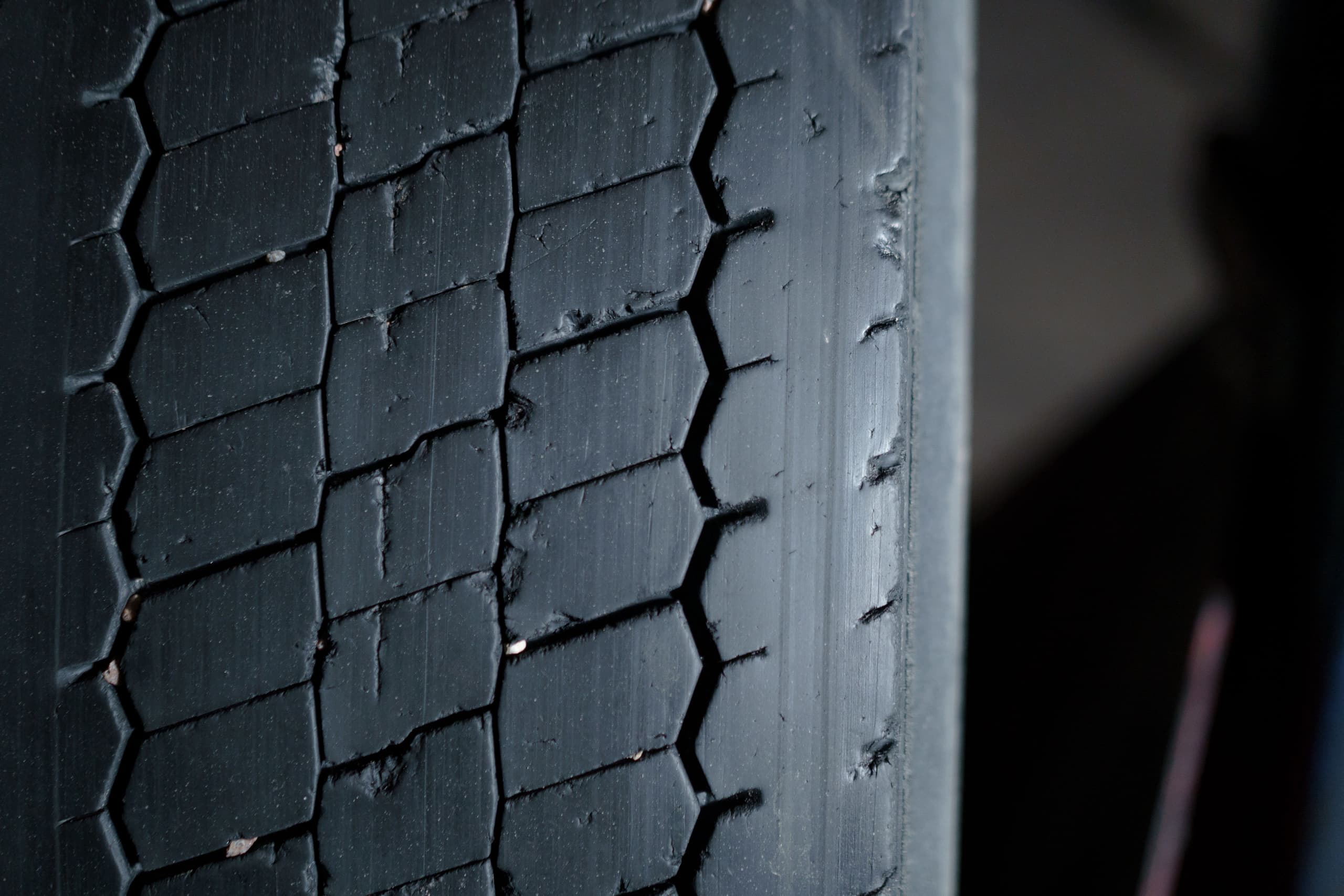
- Tread Depth Check: Use a tread depth gauge to measure the remaining tread depth. For the SH117/R-1S, the original tread depth is 28 mm. Replace tires when tread depth reaches 20% of the original (approximately 5.6 mm).
- Inflation Pressure: Check the inflation pressure with a calibrated gauge. The recommended pressure for the SH117/R-1S 11.2-38 is 180 kPa (26 psi) for maximum load of 1150 kg. Adjust pressure based on load and field conditions.
- Valve and Cap: Ensure valve caps are in place and valves are not leaking. Replace damaged caps to prevent dirt and moisture from entering.
- Wheel Nut Torque: Check wheel nut torque periodically (refer to tractor manual for specifications). Loose nuts can cause wheel damage and tire failure.
- Sidewall Condition: Inspect sidewalls for cracks, weathering, or bulges. The SH117/R-1S has excellent resistance to weathering and aging, but any damage should be addressed promptly.
- Cleanliness: Remove mud, debris, and crop residue from tires and wheels to prevent corrosion and maintain self-cleaning ability.
Step-by-Step Maintenance Procedures
1. Inflation Pressure Management
Proper inflation is the single most important factor in tire life and performance. For the SH117/R-1S 11.2-38 6 ply tire, follow these steps:
- Determine Load: Calculate the actual load on each axle. The maximum load per tire is 1150 kg at 180 kPa. For lighter loads, reduce pressure accordingly (consult load-inflation tables).
- Check Cold: Measure pressure when tires are cold (before operation or at least 3 hours after use).
- Adjust: Inflate or deflate to the recommended pressure. Use a high-quality gauge and compressor.
- Record: Keep a log of pressure readings to detect slow leaks.
Note: For field operations, slightly lower pressure (e.g., 160 kPa) can improve traction and reduce soil compaction, but never exceed the maximum for the load.
2. Tread Cleaning and Inspection
- Clean Tread: Use a pressure washer or stiff brush to remove mud and debris from the tread. This helps maintain self-cleaning ability and reveals any damage.
- Inspect for Cracks: Check tread grooves for cracks or cuts. Small cracks (under 2 mm) are normal; larger cracks require professional assessment.
- Remove Embedded Objects: Use pliers to remove stones, nails, or other objects. If a puncture is found, mark it and have it repaired by a qualified technician.
3. Rotation and Alignment
- Rotate Tires: For tractors with multiple drive tires, rotate tires periodically (e.g., every 500 hours) to ensure even wear. Follow the pattern recommended in your tractor manual.
- Check Alignment: Misalignment causes rapid and uneven tread wear. Have your tractor's alignment checked annually or if you notice uneven wear.
4. Storage and Seasonal Care
- Clean Before Storage: Thoroughly clean tires and remove all debris.
- Inflate to Recommended Pressure: Store tires inflated to the recommended pressure to prevent sidewall damage.
- Avoid Sunlight: Store in a cool, dry, dark place. If stored outdoors, cover tires with opaque tarps to protect from UV radiation.
- Avoid Ozone Sources: Keep away from electric motors, generators, and other ozone-producing equipment.
Common Issues and Early Warning Signs
Recognizing early warning signs can prevent major failures. Watch for:
- Uneven Wear: Indicates misalignment, improper inflation, or worn suspension components.
- Cupping or Scalloping: Often caused by unbalanced tires or worn shocks.
- Sidewall Cracks: May signal underinflation, overloading, or aging. The SH117/R-1S resists weathering, but severe cracks require replacement.
- Vibration: Could be from unbalanced tires, bent rims, or internal damage.
- Slow Leaks: Often due to valve issues or punctures. Check valve cores and repair punctures promptly.
Best Practices for Tire Care
- Operate Smoothly: Avoid aggressive acceleration, braking, and sharp turns, which accelerate wear.
- Avoid Overloading: Never exceed the maximum load of 1150 kg per tire. Overloading generates excessive heat and stress.
- Match Pressure to Task: Adjust inflation for field vs. road use. For transport, use higher pressure to reduce rolling resistance.
- Keep Fields Clean: Remove rocks and debris from fields to minimize puncture risks.
- Train Operators: Ensure all operators understand tire care basics and daily inspection procedures.
Cost-Saving Tips Through Proper Maintenance
- Extend Tire Life: Regular maintenance can increase tire life by up to 30%, delaying replacement costs.
- Improve Fuel Efficiency: Correct inflation reduces rolling resistance, saving fuel.
- Prevent Downtime: Early detection of issues avoids costly breakdowns during critical planting or harvest seasons.
- Reduce Soil Compaction: Proper inflation minimizes soil compaction, improving crop yields.
- Avoid Premature Replacement: Addressing minor issues early prevents major damage.
When to Replace vs Repair
Not all tire damage requires replacement. Use these guidelines:
Repair When:
- Puncture is in the tread area and less than 6 mm in diameter.
- Damage is repairable with a plug or patch by a professional.
- Tread depth is above 20% of original (5.6 mm).
Replace When:
- Tread depth is below 5.6 mm.
- Sidewall damage (cracks, cuts, bulges) is severe.
- Multiple punctures or irreparable damage.
- Tire age exceeds 8-10 years, even if tread remains.
For the SH117/R-1S, always use the correct size (11.2-38 or 14.9-24) and ply rating (6) when replacing.
FAQ
Q: What is the recommended inflation pressure for the SH117/R-1S 11.2-38 tire?
A: The recommended inflation pressure is 180 kPa (26 psi) for the maximum load of 1150 kg. Adjust pressure based on actual load and field conditions, but never exceed the maximum.
Q: How often should I inspect my SH117/R-1S tires?
A: Perform a visual inspection daily before operation and a detailed inspection (including tread depth and pressure) weekly. Adjust frequency based on usage intensity.
Q: Can I repair a puncture in the SH117/R-1S tire?
A: Yes, punctures in the tread area less than 6 mm in diameter can be repaired professionally. Sidewall damage or larger punctures may require replacement.
Q: What are the signs that my SH117/R-1S tires need replacement?
A: Replace when tread depth reaches 5.6 mm (20% of original 28 mm), or if there is severe sidewall cracking, bulging, or irreparable damage. Also consider age (8-10 years).