Why Proper Maintenance of Your SH623 Tires Matters
Proper maintenance is the single most effective way to extend the life of your SH623 tire and protect your investment. The SH623 6.50-16LT 12-ply tire is a bias-construction truck tire designed for light and medium trucks on mixed highway and regional routes. With a 12-ply rating, 10mm tread depth, and a maximum load capacity of 1,060 kg at 630 kPa (approximately 91 psi), this tire delivers reliable performance and cost-effectiveness for fleet operators and owner-operators alike. However, these capabilities are only realized when the tire is maintained correctly. Neglecting routine care can lead to uneven wear, reduced fuel efficiency, and premature failure—costing you far more than the time spent on maintenance.
This SH623 tire maintenance guide provides a practical, step-by-step approach to keeping your tires in optimal condition. Whether you run a single truck or a fleet, the procedures and best practices outlined here will help you maximize tread life, ensure safety, and reduce operating costs.
Daily Inspection Checklist for SH623 Tires
A quick daily walk-around inspection takes less than five minutes but can catch small issues before they become costly problems. Use the following checklist every day before hitting the road.
- Visual tread check: Look for embedded stones, nails, or glass. Remove any foreign objects with pliers.
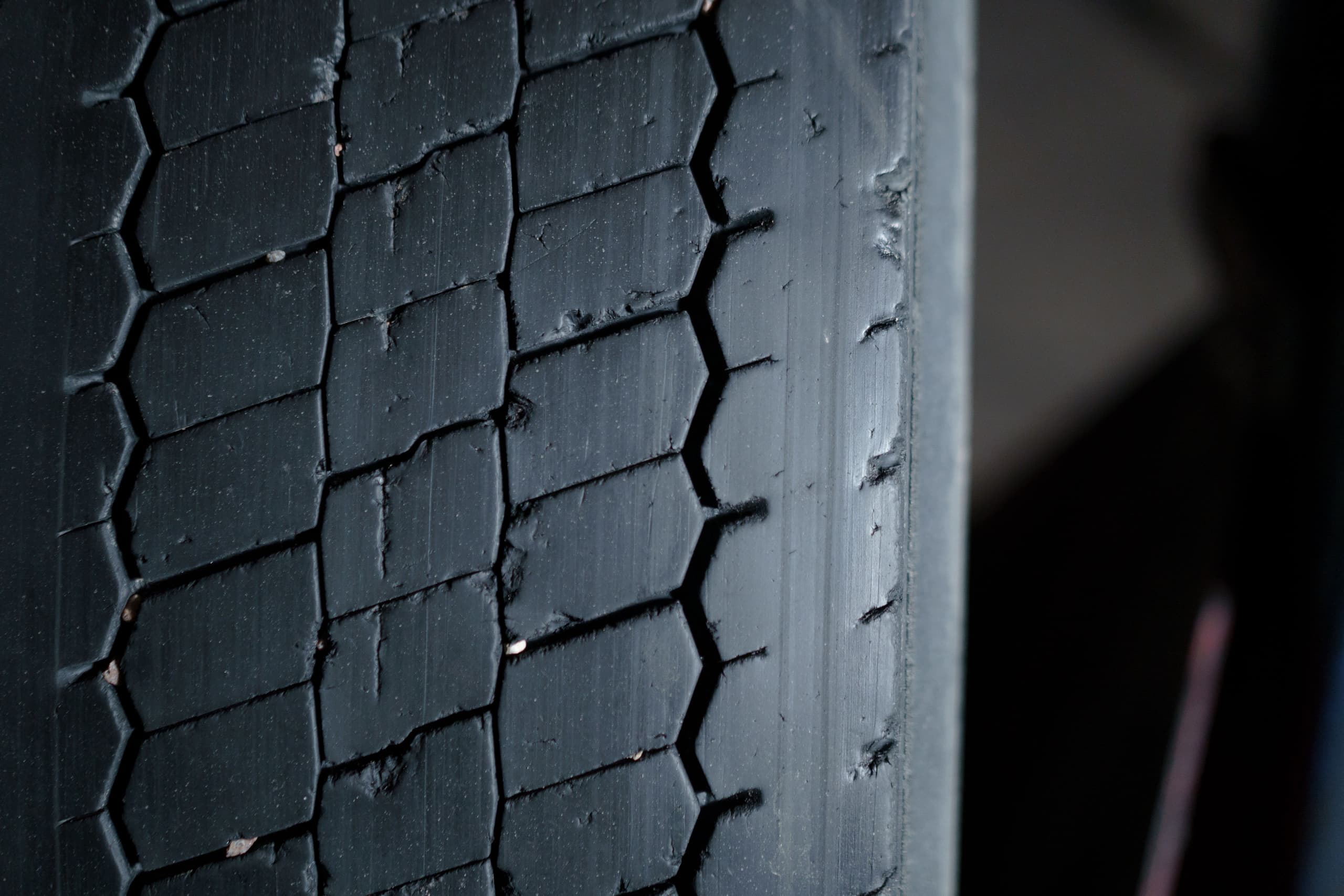
- Tread depth measurement: Use a tread depth gauge. The SH623 starts with 10 mm tread depth; replace the tire when depth reaches 1.6 mm (the legal minimum) or earlier if performance degrades.
- Sidewall inspection: Check for cuts, bulges, or cracking. Any deep cut exposing cords requires immediate attention.
- Inflation pressure: Check with a calibrated gauge when tires are cold. Refer to the load/inflation table for your specific load; the maximum pressure is 630 kPa for the 6.50-16LT 12-ply SH623.
- Valve caps and stems: Ensure caps are present and stems are not cracked or leaking.
- Wheel nut torque: Visually inspect for loose or missing nuts; use a torque wrench weekly.
- Dual tire spacing: On dual assemblies, check for adequate clearance between tires to prevent sidewall rubbing.
- Overall condition: Look for oil or coolant leaks that could degrade rubber.
Step-by-Step Maintenance Procedures
Beyond daily checks, perform the following procedures at the recommended intervals to keep your SH623 tires in top shape.
1. Inflation Pressure Maintenance (Weekly)
- Use a calibrated tire pressure gauge.
- Measure pressure when tires are cold (before driving or after sitting for at least 3 hours).
- Compare to the recommended pressure for your load. For the SH623 6.50-16LT 12-ply, the maximum load of 1,060 kg corresponds to 630 kPa. Adjust pressure according to your actual load—never exceed the maximum.
- Inflate or deflate as needed. Always replace valve caps to prevent dirt and moisture ingress.
- Record pressures in a log to track trends.
2. Tire Rotation (Every 8,000–10,000 km)
- Follow your vehicle manufacturer's rotation pattern. For bias tires, a common pattern is front-to-rear and rear-to-front on the same side.
- Rotate tires to promote even wear, especially between drive and steer axles.
- After rotation, re-torque wheel nuts to specification.
3. Tread Depth and Wear Pattern Analysis (Monthly)
- Measure tread depth at three points across the tread width (inner, center, outer).
- Compare measurements to detect uneven wear (e.g., center wear indicates overinflation; edge wear indicates underinflation).
- If wear is uneven, investigate alignment, suspension, or inflation issues.
- Record data to monitor wear rate.
4. Visual Inspection for Damage (Monthly)
- Clean tires with water and a mild detergent to reveal cracks or cuts.
- Inspect sidewalls and tread for punctures, cuts, or embedded objects.
- Check for bulges or separations—these indicate internal damage and require immediate tire replacement.
- Examine valve stems for cracking or leaks.
5. Wheel and Rim Inspection (Quarterly)
- Check rims for bends, cracks, or corrosion.
- Ensure wheel nuts are torqued to the manufacturer's specification.
- Inspect dual assemblies for proper spacing and alignment.
6. Professional Inspection (Annually)
- Have a qualified technician inspect tires, including internal condition (e.g., via X-ray or shearography if available).
- Verify alignment and suspension components.
- Address any issues before they escalate.
Common Issues and Early Warning Signs
Recognizing early warning signs can prevent roadside failures and extend tire life.
| Issue | Warning Sign | Action |
|---|---|---|
| Underinflation | Excessive sidewall flex, edge wear, increased heat | Inflate to recommended pressure; inspect for leaks |
| Overinflation | Center wear, harsh ride, reduced traction | Adjust pressure to load/inflation table |
| Uneven wear | Cupping, feathering, one-sided wear | Check alignment, suspension, and rotation pattern |
| Cuts or punctures | Visible damage, air loss | Repair if within limits; replace if severe |
| Sidewall cracking | Surface cracks, especially in sunny climates | Use protective coatings; replace if cracks deepen |
| Bulges or separations | Localized swelling on sidewall or tread | Replace tire immediately—unsafe to operate |
| Vibration | Steering wheel or seat vibration | Balance tires; inspect for internal damage |
| Irregular noise | Humming or thumping | Check for flat spots, uneven wear, or bearing issues |
Best Practices for SH623 Tire Care
Adopting these best practices will help you get the most from your SH623 tires.
- Store tires properly: Keep spare tires in a cool, dry, dark place away from ozone sources (e.g., electric motors). Store vertically or flat, not stacked under heavy load.
- Avoid overloading: The SH623 6.50-16LT 12-ply has a maximum load of 1,060 kg per tire. Exceeding this leads to premature failure.
- Maintain correct alignment: Misalignment causes rapid and uneven wear. Check alignment annually or after any suspension work.
- Use nitrogen inflation (optional): Nitrogen reduces pressure loss and oxidation, potentially extending tire life.
- Keep tires clean: Dirt and chemicals can degrade rubber. Wash regularly with mild soap and water.
- Protect from UV and ozone: Use tire covers when parked for extended periods; apply UV protectant.
- Match dual tires: When replacing one tire in a dual assembly, ensure the new tire matches the worn tire in diameter and tread depth to prevent uneven load distribution.
- Follow the load/inflation table: Never guess pressure—always refer to the manufacturer's data for your specific load.
Cost-Saving Tips Through Proper Maintenance
Proper maintenance directly reduces operating costs. Consider these savings:
- Extend tire life: Regular rotation and inflation maintenance can increase tread life by up to 30%, delaying replacement costs.
- Improve fuel efficiency: Correct inflation reduces rolling resistance, saving up to 3% on fuel.
- Prevent downtime: Early detection of issues avoids roadside breakdowns and lost productivity.
- Reduce repair costs: Small repairs (e.g., punctures) are inexpensive compared to replacing a ruined tire.
- Maximize retreading potential: The SH623's robust bias casing can be retreaded multiple times if maintained properly, significantly lowering cost per kilometer.
When to Replace vs. Repair
Knowing when to repair and when to replace is crucial for safety and economy.
Repair if:
- The puncture is in the tread area and is less than 6 mm in diameter.
- The injury does not expose cords or cause separation.
- The tire has sufficient tread depth (above 1.6 mm).
- The repair is done by a qualified technician using industry-approved methods.
Replace if:
- Tread depth is at or below 1.6 mm.
- There are sidewall cuts, bulges, or separations.
- The puncture is larger than 6 mm or in the sidewall.
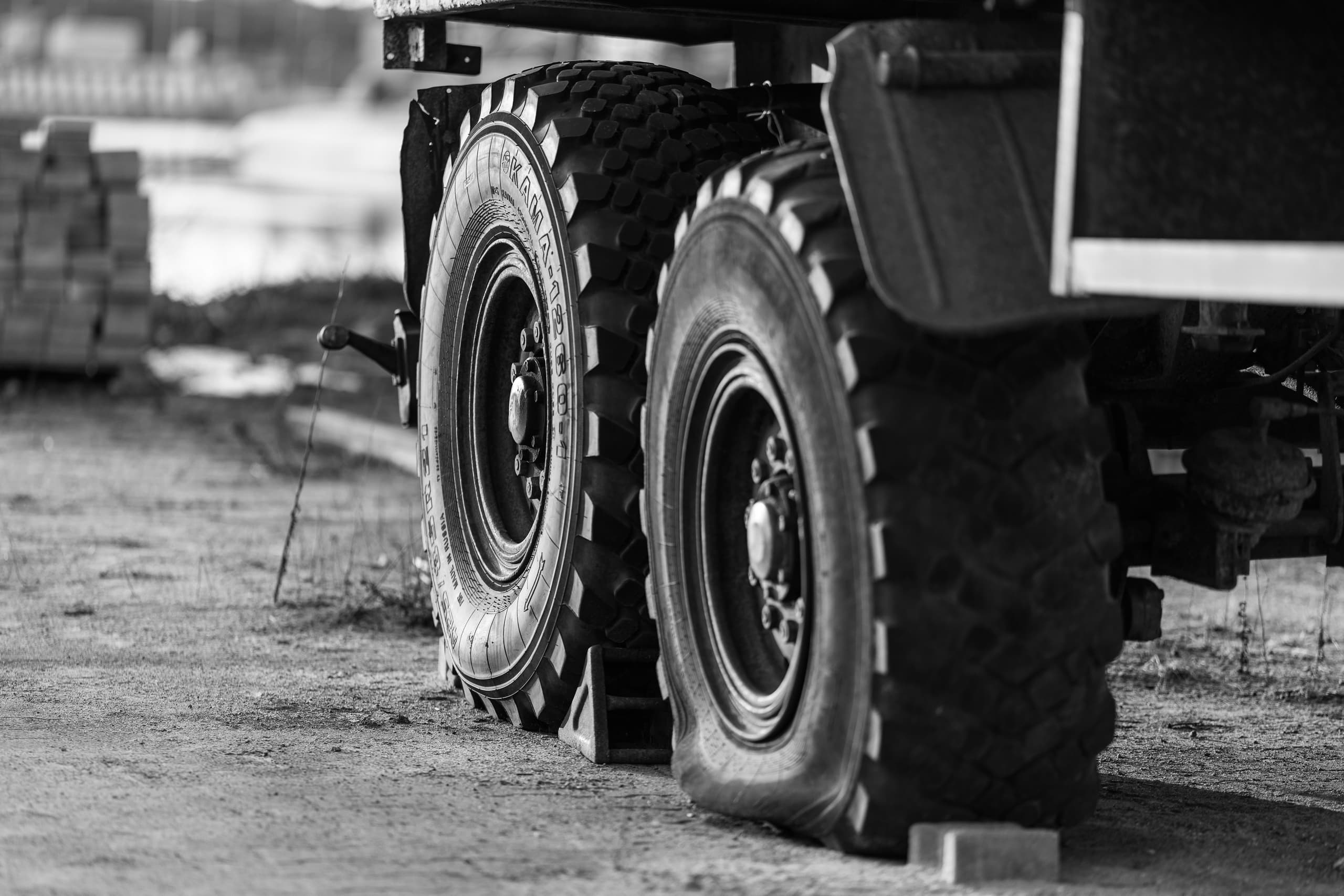
- The tire has been run flat or underinflated to the point of internal damage.
- Cracks or weathering are severe.
- The tire has reached its retread limit (typically after 2-3 retreads for bias tires).
Frequently Asked Questions (FAQ)
Q: How often should I check the tire pressure on my SH623 6.50-16LT 12-ply tires?
A: Check tire pressure at least weekly and before long trips. Always measure when tires are cold. For the SH623 6.50-16LT 12-ply, the maximum pressure is 630 kPa (approx. 91 psi) at the maximum load of 1,060 kg. Adjust according to your actual load.
Q: What is the recommended tread depth for replacement?
A: Replace the SH623 when tread depth reaches 1.6 mm (the legal minimum). However, for optimal safety and performance, consider replacement at 3 mm, especially for wet conditions.
Q: Can I use the SH623 on both front and drive axles?
A: Yes, the SH623 is suitable for both front and drive axles depending on the tread pattern and vehicle configuration. Its ribbed design ensures good handling and high load capacity, making it versatile for mixed highway and regional routes.
Q: How does proper maintenance affect the retreadability of the SH623?
A: Proper maintenance—especially maintaining correct inflation pressure and avoiding overloading—preserves the casing integrity, allowing the SH623 to undergo multiple retreading cycles. This significantly extends the tire's total service life and reduces cost per kilometer.